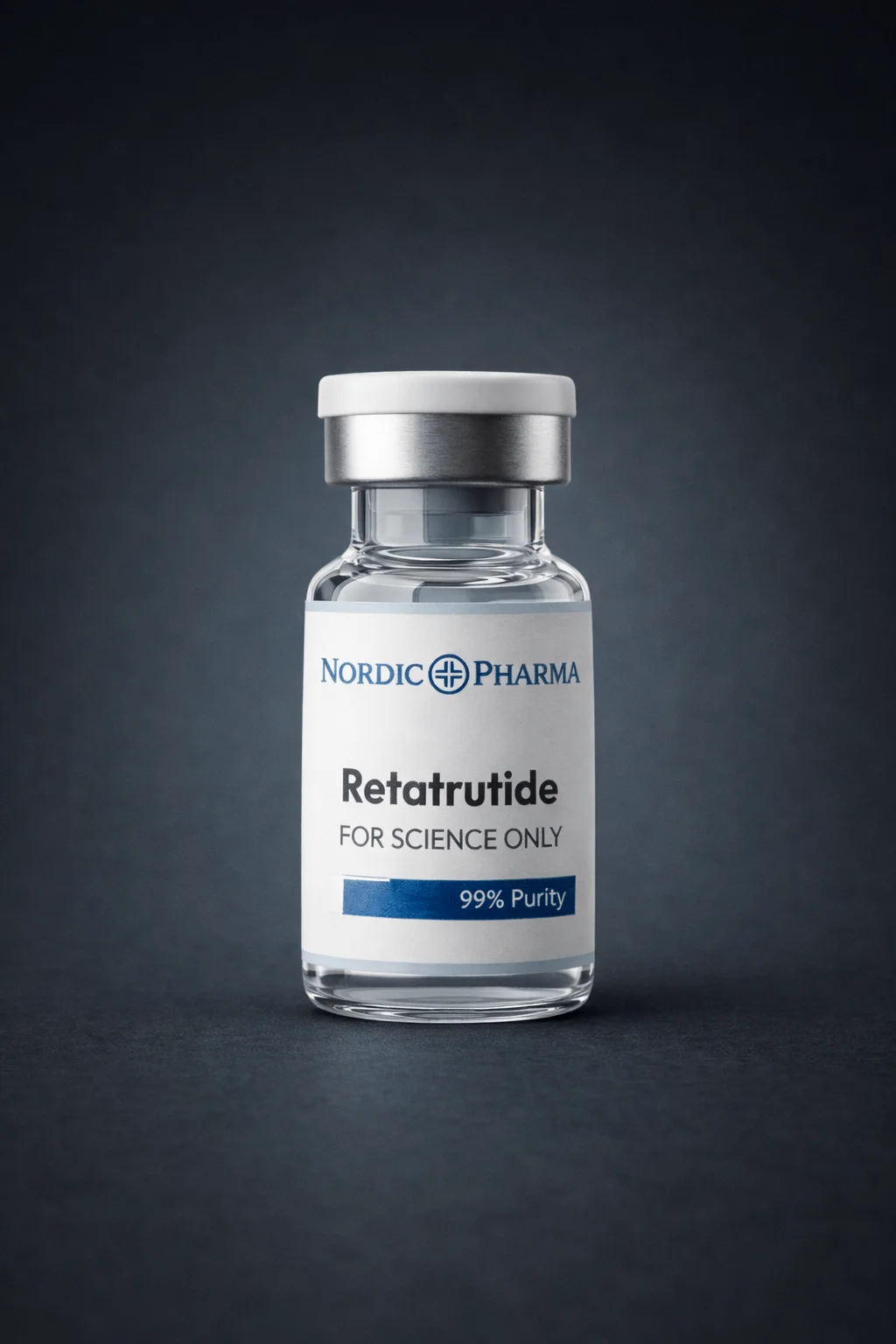
Retatrutide (LY3437943) is a synthetic peptide that acts as a triple agonist targeting three key metabolic receptors: GLP-1, GIP, and glucagon . This triple-action mechanism enhances insulin secretion, reduces appetite, and increases energy expenditure .
Key Specifications:
CAS Number: 2381089-83-2
Molecular Formula: C₂₂₁H₃₄₂N₄₆O₆₈
Molecular Weight: 4731.33 g/mol
Purity: ≥99%
Half-life: Approximately 6 days
Research Findings:
Clinical trials have demonstrated significant weight reduction, with participants achieving up to 17.5% mean weight loss at 24 weeks and 24.2% at 48 weeks . The Phase 3 TRIUMPH-4 trial reported an average weight loss of 71.2 lbs (32.3 kg) for the 12 mg dose over 68 weeks .
Important Notice:
Retatrutide is NOT yet FDA approved and is currently available only in clinical trials . It is intended for RESEARCH USE ONLY and should NOT be used for human consumption or therapy.
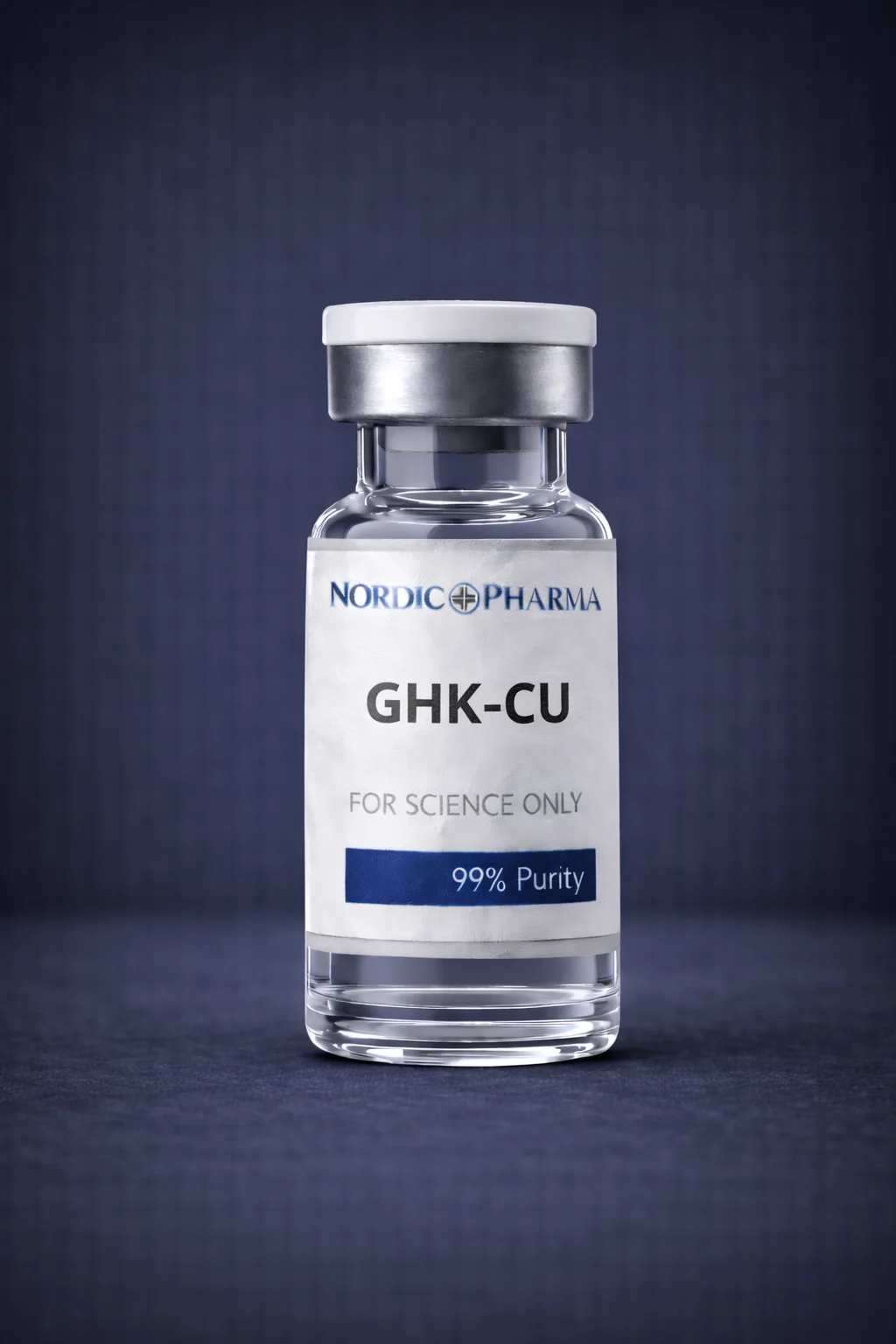
GHK-Cu (Copper Tripeptide-1) is a naturally occurring copper-binding tripeptide (glycyl-L-histidyl-L-lysine) that was first isolated from human plasma by Dr. Loren Pickart in 1973 . It is present in human plasma, saliva, and urine, with levels declining significantly with age—by approximately 60% between ages 20 and 60 .
Mechanism of Action
GHK-Cu exerts its biological effects through multiple pathways:
Gene Expression Modulation: GHK-Cu influences the expression of thousands of human genes, upregulating those involved in antioxidant defense, tissue repair, and anti-inflammatory pathways while downregulating genes associated with inflammation and tissue destruction .
Extracellular Matrix Stimulation: It potently stimulates synthesis of collagen, elastin, proteoglycans, and glycosaminoglycans in fibroblasts—key structural components for skin integrity and firmness .
Anti-inflammatory & Antioxidant Activity: Reduces inflammatory cytokines (e.g., IL-6, TNF-β) and protects cells from oxidative stress and free radical damage .
Angiogenesis Promotion: Stimulates new blood vessel growth, essential for wound healing and tissue regeneration .
MMP Modulation: Regulates matrix metalloproteinases and their inhibitors, helping maintain balanced protein turnover in tissues .
Documented Benefits
Skin Regeneration & Anti-Aging:
Increases skin density, thickness, and firmness
Reduces fine lines, coarse wrinkles, and photodamage
Improves skin clarity and reduces mottled hyperpigmentation
Stimulates keratinocyte proliferation and supports fibroblast function
Clinical studies demonstrate that GHK-Cu applied topically for 12 weeks outperforms vitamin C and retinoic acid in collagen production, with 70% of treated women showing improved collagen synthesis compared to 50% with vitamin C and 40% with retinoic acid .
Wound Healing:
Accelerates wound closure in diabetic ulcers—one study found wound closure was three times faster with 2% GHK-Cu gel compared to placebo
Reduces infection rates in chronic wounds
Improves healing of ischemic wounds and supports tissue repair
Hair Growth:
Increases hair follicle size and hair shaft thickness
Prolongs anagen (growth) phase of the hair cycle
May suppress TGF-β1 overexpression associated with hereditary hair loss
Additional Research Areas:
Neuroprotection: Animal studies suggest potential cognitive benefits via intranasal administration, reducing neuroinflammation and amyloid plaques in Alzheimer's models
Lung protection: Supports function in COPD fibroblasts
Anti-anxiety effects: Demonstrated in animal studies at low doses
Physicochemical Properties
Appearance: Blue lyophilized powder (due to copper content)
Solubility: Soluble in water (up to 325 mg/mL at pH 4.5-7.4) and some organic solvents
Stability: Stable in aqueous solutions between pH 4.5-7.4 at 60°C for at least two weeks
Storage: Store at -20°C, protect from light and moisture
Safety Profile
GHK-Cu has demonstrated a favorable safety profile in topical applications, with minimal irritation and no cytotoxicity at standard concentrations (0.2-3%) . Injectable use requires medical supervision due to theoretical risks of copper dysregulation .
Regulatory Note
GHK-Cu (INCI: Copper Tripeptide-1) is widely used in cosmetic formulations for anti-aging, firming, and conditioning products .
For Research Use Only. Not for human consumption or therapeutic use.
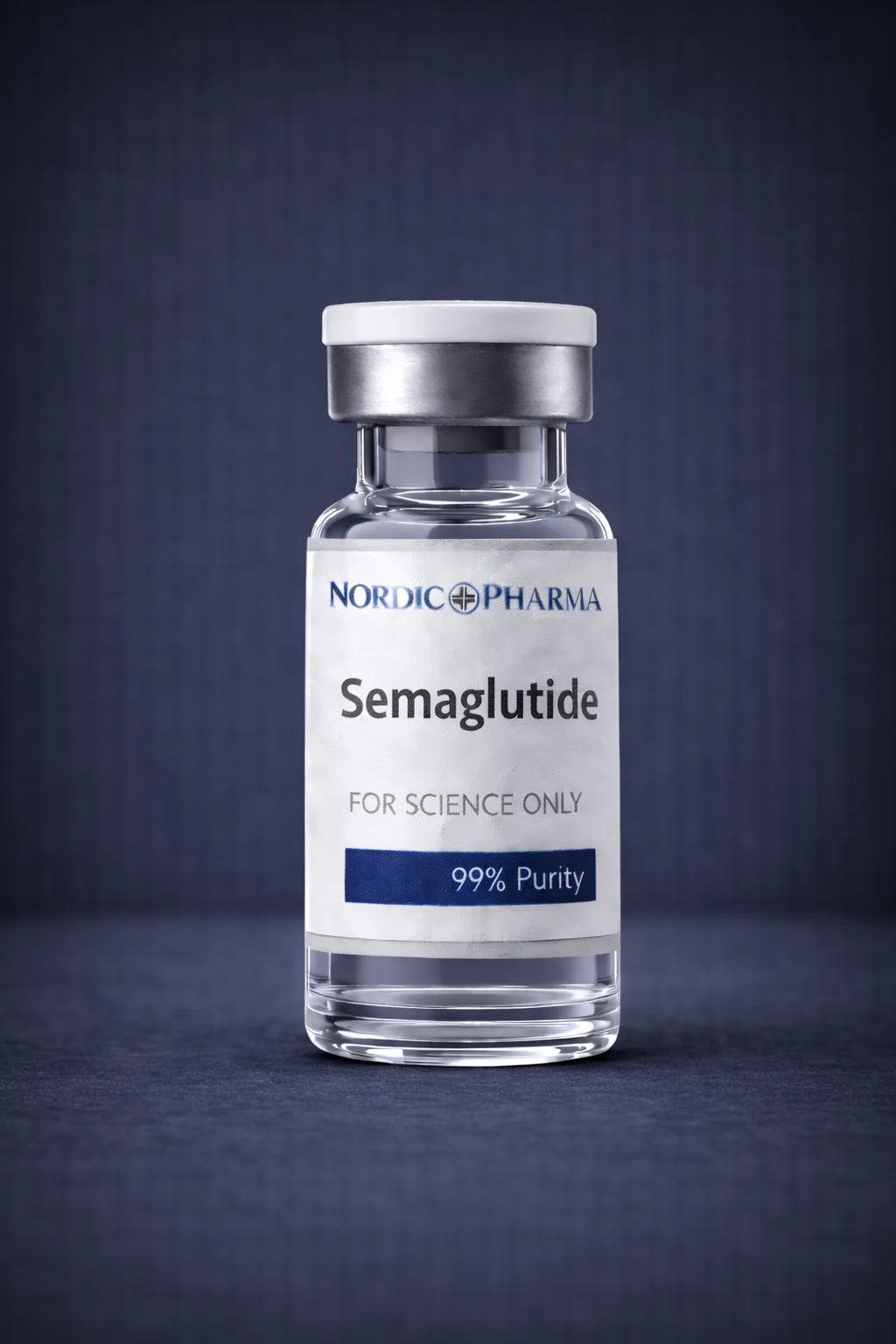
Semaglutide is a synthetic analog of human glucagon-like peptide-1 (GLP-1), a 31-amino acid peptide hormone that plays a central role in glucose homeostasis and appetite regulation . First developed by Novo Nordisk and approved by the FDA in 2017 for type 2 diabetes, semaglutide has since emerged as a groundbreaking therapeutic agent with applications spanning multiple chronic diseases .
Physicochemical Properties
Molecular Formula: C₁₈₇H₂₉₁N₄₅O₅₉
Molecular Weight: 4114 g/mol
CAS Number: 910463-68-2
Appearance: White to off-white lyophilized powder
Solubility: Soluble in water and aqueous buffers
Storage: Store at -20°C. Protect from light and moisture
Stability: Stable for at least 2 years when stored properly
Mechanism of Action
Semaglutide acts as a potent and selective agonist of the GLP-1 receptor, mimicking the effects of the endogenous incretin hormone . Its mechanism involves:
Glucose-Dependent Insulin Secretion: Enhances insulin release from pancreatic beta-cells only when blood glucose is elevated, reducing hypoglycemia risk
Glucagon Suppression: Inhibits glucagon secretion from pancreatic alpha-cells, further lowering blood glucose
Gastric Emptying Delay: Slows stomach emptying, reducing postprandial glucose excursions and increasing satiety
Appetite Suppression: Acts on hypothalamic GLP-1 receptors to reduce food intake and promote weight loss
Anti-inflammatory Effects: Reduces pro-inflammatory markers including C-reactive protein (CRP) and TNF-α independently of weight loss
Cardiovascular Protection: Improves endothelial function, reduces blood pressure, and decreases atherosclerotic burden
Key Research Findings
Weight Management:
The STEP clinical trial program demonstrated exceptional weight reduction efficacy. In the OASIS 4 trial, oral semaglutide 25 mg produced a mean body weight reduction of 13.6% at 64 weeks compared to 2.2% with placebo . Participants achieved clinically significant weight loss thresholds: 71.1% of those with pre-diabetes at baseline achieved normal blood glucose at week 64 .
Cardiovascular Outcomes:
The SELECT trial (17,600 patients) showed semaglutide 2.4 mg reduced major adverse cardiovascular events (MACE) by 20% compared to placebo, with benefits partially independent of weight loss . Blood pressure improvements were also notable: patients achieving ≥15% weight loss experienced mean reductions of −10.1 mmHg systolic and −4.3 mmHg diastolic .
MASH and Liver Disease:
In August 2025, the FDA granted accelerated approval for semaglutide (Wegovy) to treat metabolic-associated steatohepatitis (MASH) in adults with moderate-to-advanced fibrosis . Clinical trial data showed 63% of participants receiving semaglutide achieved MASH resolution without worsening fibrosis, compared to 34% receiving placebo .
Chronic Kidney Disease:
The FLOW trial (3,500 patients) demonstrated that semaglutide 1 mg weekly reduced the risk of kidney failure events and death from kidney- or cardiovascular-related causes by 24%, leading to FDA approval expansion in January 2025 .
Other Research Applications:
Obstructive Sleep Apnea: The SURMOUNT-OSA trials showed significant reductions in apnea-hypopnea index
Osteoarthritis: STEP 9 trial demonstrated improved physical function and reduced knee pain intensity
Neurodegenerative Disorders: Ongoing trials (EVOKE and EVOKE+) are investigating potential benefits in early Alzheimer's disease
Peripheral Artery Disease: The STRIDE trial showed improved maximum walking distance
Safety and Tolerability
The safety profile of semaglutide is well-established from over 37 million patient-years of exposure . The most common adverse events are gastrointestinal and dose-related:
Nausea (46.6% with oral 25 mg vs. 18.6% placebo)
Diarrhea
Vomiting (30.9% vs. 5.9% placebo)
Constipation
Abdominal pain
Dyspepsia
These effects are generally mild to moderate and transient, particularly during dose escalation . The incidence of serious adverse events was lower with semaglutide (3.9%) than placebo (8.8%) in the OASIS 4 trial .
Contraindications:
Personal or family history of medullary thyroid carcinoma
Multiple Endocrine Neoplasia syndrome type 2 (MEN 2)
Known hypersensitivity to semaglutide or its excipients
Important Notice
FOR RESEARCH USE ONLY. NOT FOR HUMAN USE, THERAPEUTIC, OR DIAGNOSTIC APPLICATIONS.
Semaglutide is not FDA approved for all indications mentioned above, and some applications remain under clinical investigation. This product is intended for laboratory research purposes only. Researchers should consult relevant literature and institutional guidelines for proper usage.
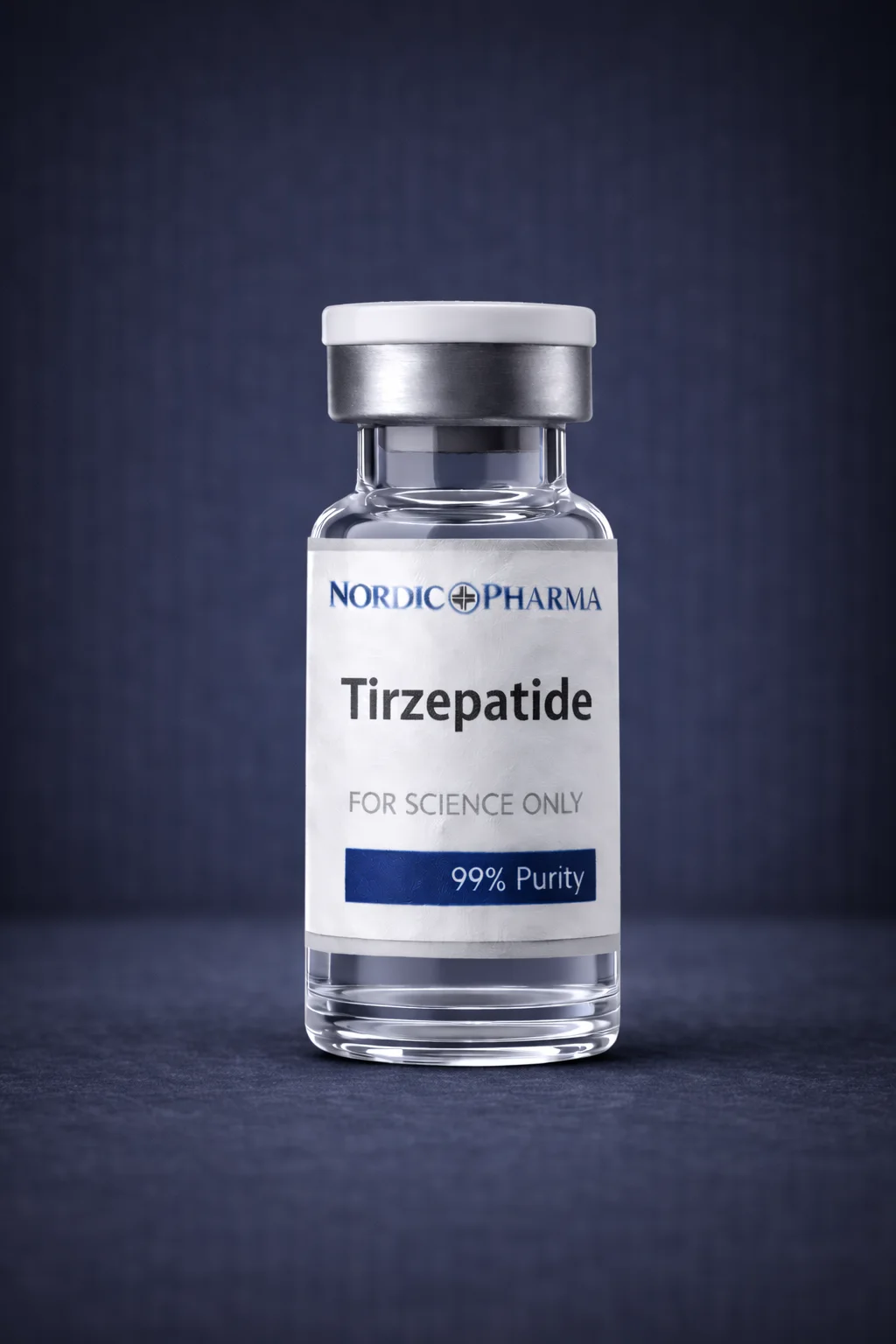
Tirzepatide represents a paradigm shift in metabolic research, establishing a new therapeutic class as the first-in-class, unimolecular dual agonist of the GIP (glucose-dependent insulinotropic polypeptide) and GLP-1 (glucagon-like peptide-1) receptors . Developed by Eli Lilly and Company, this synthetic 39-amino acid peptide has demonstrated unprecedented efficacy in both glycemic control and weight reduction across comprehensive clinical trial programs .
Physicochemical Properties
Molecular Formula: C₂₂₅H₃₄₈N₄₈O₆₈
Molecular Weight: 4813.53 g/mol
CAS Number: 2023788-19-2
Alternate Names: LY3298176, twincretin
Appearance: White to off-white lyophilized powder
Solubility: Soluble in water and aqueous buffers
Storage: Store at -20°C. Protect from light and moisture
Stability: Stable for at least 2 years when stored properly
Plasma Protein Binding: 99% bound to plasma albumin
Mechanism of Action
Tirzepatide is a synthetic peptide based on the native human GIP sequence, engineered with a C20 fatty diacid moiety to confer dual agonism at both GIP and GLP-1 receptors with a prolonged half-life . Its unique "twincretin" mechanism leverages the synergistic effects of two key incretin hormones :
GIP Receptor Agonism: Enhances insulin secretion from pancreatic beta-cells in response to meals, improves insulin sensitivity, and may directly influence adipose tissue metabolism
GLP-1 Receptor Agonism: Increases glucose-dependent insulin secretion, decreases glucagon secretion, reduces food intake, and delays gastric emptying
The result is a comprehensive metabolic effect that includes decreased fasting and postprandial glucose concentrations, increased insulin sensitivity, reduced food intake, and significant body weight reduction .
Key Research Findings
Glycemic Control (SURPASS Program):
The landmark SURPASS clinical trial program evaluated Tirzepatide in diverse populations with type 2 diabetes, consistently showing superior, dose-dependent reductions in hemoglobin A1c (HbA1c) and body weight compared to placebo, selective GLP-1 receptor agonists (semaglutide), and basal insulins . A significant proportion of patients treated with higher doses achieved normoglycemia (HbA1c <5.7%), a level of glycemic control that challenges traditional treatment goals .
Weight Management (SURMOUNT Program):
The SURMOUNT program in individuals with obesity or overweight demonstrated weight loss of a magnitude previously seen only with bariatric surgery:
Study
Duration
Tirzepatide Dose
Mean Weight Loss
Comparator
SURMOUNT-1
72 weeks
15 mg
20.9% (48 lbs)
3.1% with placebo
SURMOUNT-1
72 weeks
10 mg
19.5% (44 lbs)
3.1% with placebo
SURMOUNT-1
72 weeks
5 mg
15.0% (34 lbs)
3.1% with placebo
SURMOUNT-5
72 weeks
MTD (10/15 mg)
20.2% (50 lbs)
13.7% with semaglutide
Average starting weights in SURMOUNT-1 ranged from 227-233 lbs across dose groups .
Obstructive Sleep Apnea (SURMOUNT-OSA):
Tirzepatide received FDA approval for treating moderate-to-severe obstructive sleep apnea (OSA) in adults with obesity, based on clinical trials showing significant improvements in apnea-hypopnea index .
Additional Research Applications:
Metabolic-associated steatohepatitis (MASH): The SYNERGY-NASH trial is investigating benefits in liver health
Heart failure with preserved ejection fraction (HFpEF): The SUMMIT trial is exploring cardiovascular outcomes
Cardiovascular risk reduction: Ongoing research into MACE outcomes
Safety and Tolerability
The safety profile of Tirzepatide is broadly consistent with the GLP-1 receptor agonist class. The most common adverse events are gastrointestinal and dose-related, occurring primarily during dose escalation :
Nausea
Diarrhea
Vomiting
Decreased appetite
Constipation
Dyspepsia
Abdominal discomfort
Serious Adverse Events (rare):
Pancreatitis
Gallbladder disease (cholelithiasis, cholecystitis) - reported in 0.6% of treated patients
Hypersensitivity reactions
Acute kidney injury (secondary to dehydration)
Severe gastrointestinal problems
Boxed Warning: Tirzepatide carries a boxed warning for the risk of thyroid C-cell tumors based on findings in rodents .
Contraindications:
Personal or family history of medullary thyroid carcinoma (MTC)
Multiple Endocrine Neoplasia syndrome type 2 (MEN 2)
Known hypersensitivity to tirzepatide or its excipients
History of pancreatitis (not studied in these patients)
Hepatotoxicity Profile
In preregistration clinical trials involving more than 5,000 patients, serum aminotransferase elevations greater than 3 times the upper limit of normal occurred in less than 1% of patients, with rates similar to placebo . No severe liver test abnormalities or clinically apparent liver injury were reported in these trials. Indeed, tirzepatide therapy is often associated with improvements in serum aminotransferase levels, probably as a result of weight loss .
Since approval, isolated case reports of acute liver injury have emerged, typically with a latency of 1-4 months, hepatocellular pattern of enzyme elevations, mild jaundice, and a benign, self-limited course . The risk for clinically apparent liver injury with long-term use is likely very rare.
The product label does not recommend routine monitoring of liver tests during therapy, but tirzepatide should be discontinued if serum aminotransferase levels rise above 5 times the ULN or if elevations are accompanied by symptoms of liver disease or jaundice .
Regulatory History
May 13, 2022: First FDA approval for treatment of adults with type 2 diabetes mellitus (Mounjaro®)
September 15, 2022: Approved by the European Commission
November 2023: FDA approved for chronic weight management (Zepbound®)
December 2024: FDA approved for obstructive sleep apnea with obesity
2024: Approved for obesity in additional global markets
Important Notice
FOR RESEARCH USE ONLY. NOT FOR HUMAN USE, THERAPEUTIC, OR DIAGNOSTIC APPLICATIONS.
Tirzepatide is not FDA approved for all indications mentioned above, and some applications remain under clinical investigation. This product is intended for laboratory research purposes only. Researchers should consult relevant literature and institutional guidelines for proper usage.
BPC-157 (Body Protection Compound-157) is a synthetic pentadecapeptide (15 amino acids) that has garnered significant attention in regenerative medicine, sports medicine, and longevity research for its remarkable tissue-protective and healing properties . First isolated and described in 1993 by Sikirić and colleagues, it represents a fragment of a larger body protection compound naturally occurring in human gastric juice .
Physicochemical Properties
CAS Number
137525-51-0
Molecular Formula
C₆₂H₉₈N₁₆O₂₂
Molecular Weight
1419.55 g/mol
Amino Acid Sequence
H-Gly-Glu-Pro-Pro-Pro-Gly-Lys-Pro-Ala-Asp-Asp-Ala-Gly-Leu-Val-OH
Purity
≥97% (HPLC determined)
Appearance
Sterile filtered white lyophilized (freeze-dried) powder
Formulation
Lyophilized with no additives
Solubility
Reconstitute in sterile 18MΩ-cm H₂O (≥100 µg/ml); can be further diluted in other aqueous solutions
Stability
Lyophilized powder stable at room temperature for 3 weeks; store desiccated below -18°C for long-term
Storage After Reconstitution
4°C for 2-7 days; below -18°C for future use; for long-term storage, add carrier protein (0.1% HSA or BSA); prevent freeze-thaw cycles
Synonyms
Bepecin, PL 14736, PL10, PLD-116, BEPECIN
Mechanism of Action
BPC-157's pleiotropic pro-repair effects are mediated through multiple overlapping pathways, which may explain its apparent versatility across different tissue types and injury models .
SH3 Domain Engagement and Kinase Activation:
Recent structural modeling and in silico docking studies propose that BPC-157 adopts a polyproline II helix that engages the Src homology 3 (SH3) domains of Src family kinases (SFKs; c-Src, Yes, Fyn) . This interaction relieves SH3 domain-mediated autoinhibition of SFKs, resulting in:
Focal adhesion kinase (FAK)-extracellular signal-regulated kinase (ERK) signaling cascades
Phosphoinositide 3-kinase (PI3K)-protein kinase B (Akt) signaling cascades
Angiogenesis and Vascular Effects:
BPC-157 controls and modulates angiogenesis, promoting new blood vessel growth while maintaining the "angiogenic privilege" of tissues like the cornea . It targets angiogenesis and NO's cytotoxic and damaging actions while maintaining, promoting, or recovering essential protective functions . Research shows BPC-157 significantly accelerates reticulin and collagen formation as well as angiogenesis, together with stimulation of macrophages and fibroblasts infiltration .
Nitric Oxide (NO) System Modulation:
BPC-157 exhibits a distinctive effect on NO-level, capable of both increasing and decreasing NO as needed, always combined with counteraction of free radical formation . This complex relationship with the nitric oxide system has significant implications for therapeutic potential across various conditions, particularly in cardiovascular and neurological applications .
Growth Factor and Cytokine Regulation:
Preclinical studies suggest BPC-157 enhances growth hormone receptor expression and several pathways involved in cell growth and angiogenesis, while reducing inflammatory cytokines . It upregulates growth factors involved in tissue repair, such as VEGF and eNOS .
Tissue-Specific Effects:
BPC-157 improves functional, structural, and biomechanical outcomes in muscle, tendon, ligament, and bony injuries in preclinical models . It enhances tendon and ligament healing by promoting growth hormone receptor expression in tendon fibroblasts .
Research Applications
Gastrointestinal Healing:
Initially studied for gastrointestinal healing, BPC-157 is best supported for its role in healing stomach ulcers and protecting the gastrointestinal tract . It acts systemically in the digestive tract to combat leaky gut, IBS, gastrointestinal cramps, and Crohn's disease . The peptide protects organs and aids in the prevention of gastric ulcers, acting as a cytoprotectant that maintains innate cell (epithelial and endothelial) integrity, which can be translated to other organ therapy (cytoprotection → organoprotection) .
Wound Healing:
BPC-157 has been shown to help skin burns heal at a faster rate by increasing blood flow to damaged tissues . It significantly accelerates reticulin and collagen formation and represents a potential therapeutic tool in wound healing management .
Neuroprotection:
In mice and rats, BPC-157 therapy counteracts Parkinson's disease-like and Alzheimer's disease-like disturbances . Research demonstrates that BPC-157 counteracts the pathological presentation of neurodegenerative diseases in acknowledged animal models .
Anti-Tumor Potential:
Contrary to speculation about angiogenesis toward tumorigenesis, BPC-157 presents prominent anti-tumor potential in vivo and in vitro . Per Folkman's concept, it demonstrates anti-tumor effect while not producing corneal neovascularization but rather opposing it .
Corneal Healing:
BPC-157 resolved cornea transparency maintenance and cornea healing "angiogenic privilege," demonstrating that it does not produce corneal neovascularization but rather opposes it .
Human Evidence
While interest is substantial, robust human clinical trials are limited . The current state of human research includes:
Musculoskeletal Pain: In a retrospective study of 12 patients receiving intra-articular injections for chronic knee pain, 7 reported subjective relief for over six months .
Muscle Injury Recovery: Preliminary clinical case series have reported faster healing timelines in muscle strains and tendon injuries in athletes when BPC-157 is administered adjunctively to standard therapies .
Pain and Mobility: Some pilot studies suggest reduced pain and restoration of mobility after soft tissue injury .
Safety: A small pilot study infusing BPC-157 intravenously in two healthy adults monitored safety biomarkers; the peptide was well-tolerated with no adverse effects reported, though only short-term safety was assessed .
Caveats: There are no published large-scale, placebo-controlled human trials specific to any condition as of 2024 . Human data primarily comes from anecdotal reports or small pilot studies often published outside standardized scientific channels .
Safety Profile
Preclinical Safety:
Preclinical safety studies showed no adverse effects across several organ systems, with LD1 not achieved, indicating a wide safety margin . The peptide exhibits remarkable chemical stability, maintaining biological activity even under harsh conditions such as during enzymatic reactions or digestive processes .
Pharmacokinetics:
BPC-157 is metabolized in the liver, with a half-life of less than 30 minutes, and is cleared by the kidneys .
Human Safety Considerations:
Short-Term Use: Human reportings suggest BPC-157 is well tolerated in the short term, with few adverse events .
Unknown Long-Term Effects: There is limited data on effects of long-term, repeated use .
Potential Side Effects: Rarely, injection site reactions, headaches, or mild gastrointestinal symptoms have been mentioned .
No Clinical Safety Data: Systematic reviews note that no clinical safety data in humans was found in controlled trials .
Contraindications:
Pregnant or Breastfeeding Women: No safety data is available
People with Cancer or Recent Malignancy: Theoretical—but unproven—risk of accelerating tumor progression due to angiogenic effects
Individuals with Severe Chronic Illness: Should only be used under strict medical supervision
Drug Interactions:
Limited Data Available: There are no robust human studies documenting specific drug interactions .
Regulatory Status
FDA Status:
BPC-157 is NOT FDA approved for any medical use
The US FDA has issued warning letters to companies marketing BPC-157 products for human use, classifying them as unapproved new drugs sold in violation of the Federal Food, Drug, and Cosmetic Act
Products containing BPC-157 are not generally recognized as safe and effective for therapeutic uses
Sports Regulations:
BPC-157 is banned in professional sports .
Legal Status:
BPC-157 is not approved by the FDA for medical use in the United States but may be compounded for research or individual clinical use in some countries; regulations vary .
Methodological Considerations for Research
When investigating BPC-157's effects, researchers should consider:
Multi-parameter Assessment:
Comprehensive evaluation requires functional outcomes (tissue-specific), histological examination, molecular analyses (gene/protein expression), biochemical markers, and imaging techniques appropriate to the tissue .
Time-course Investigations:
Both acute and delayed effects should be evaluated, as demonstrated in studies examining neural damage at 24 and 72 hours after reperfusion .
Mechanistic Experimental Designs:
Use of specific pathway inhibitors, genetic models with relevant pathways modified, comparative analyses with established therapeutics, and in vitro and in vivo model correlation .
Translational Considerations:
Dosing consistency across experimental models, attention to administration routes and their effect on tissue distribution, and species differences in peptide metabolism and response .
Technical Considerations:
Standardized injury models, appropriate controls for peptide specificity, and blinded assessment of outcomes .
Limitations and Future Research Directions
Current research on BPC-157 faces several significant limitations :
Lack of Human Trials: There is a notable lack of robust human clinical trials, with most evidence derived from animal studies
Small Sample Sizes: Existing human studies have small sample sizes and lack placebo controls
Unknown Long-Term Effects: There is limited data on effects of long-term, repeated use
Variable Quality: Purity and quality of products can vary; researchers should use reputable sources
Future Research Priorities:
Well-designed, randomized controlled trials (RCTs) in humans
Standardized research protocols
Comprehensive safety evaluations
Detailed mechanistic studies in human tissues
Independent replication of key findings
Research on longevity outcomes, frailty, falls, and overall life quality
Important Notice
FOR RESEARCH USE ONLY. NOT FOR HUMAN USE, THERAPEUTIC, OR DIAGNOSTIC APPLICATIONS.
BPC-157 is not FDA approved for any indication. This product is intended for laboratory research purposes only. Researchers should consult relevant literature and institutional guidelines for proper usage. Adverse effects are possible due to unregulated manufacturing, contamination, or unknown clinical safety . Always consult a qualified healthcare professional before considering any peptide compound for human use .
TB-500 is a synthetic peptide analogue of thymosin beta-4, a naturally occurring 43-amino acid polypeptide found in human platelets, macrophages, and wound healing tissues . This synthetic version represents the active region (17-23 fragment) of thymosin beta-4 and is known for its tissue repair and regenerative properties .
Key Specifications:
CAS Number: 885340-08-9
Molecular Formula: C₃₈H₆₈N₁₀O₁₄
Molecular Weight: 889.01 g/mol
Purity: ≥99%
Appearance: Lyophilized powder
Storage: Store at -20°C, protect from light and moisture
Mechanism of Action:
TB-500 promotes tissue repair through multiple pathways:
Actin polymerization regulation: Binds to monomeric G-actin, promoting cellular migration essential for wound healing
Angiogenesis stimulation: Enhances endothelial cell differentiation and new blood vessel formation
Anti-inflammatory effects: Modulates cytokine production and promotes inflammatory resolution
Collagen synthesis: Stimulates collagen deposition and reduces fibrosis/scar tissue formation
Research Applications:
Muscle regeneration: Accelerates recovery from muscle strains and tears
Tendon and ligament repair: Improves healing quality and reduces recovery time
Wound healing: Promotes keratinocyte migration and dermal tissue repair
Cardiovascular research: May preserve cardiac muscle following ischemic injury
Neurological applications: Potential neuroprotective properties
Sarcopenia studies: Investigated for age-related muscle loss
Important Notice:
FOR RESEARCH USE ONLY. NOT FOR HUMAN USE, THERAPEUTIC, OR DIAGNOSTIC APPLICATIONS.
BPC-157 + TB-500, popularly known as the "Wolverine Stack," represents one of the most discussed peptide combinations in regenerative and sports medicine research . Named after the Marvel superhero known for rapid healing, this stack combines two peptides with complementary mechanisms to potentially accelerate tissue repair, reduce inflammation, and support recovery from musculoskeletal injuries .
Understanding the Individual Peptides
BPC-157 (Body Protection Compound-157):
BPC-157 is a synthetic pentadecapeptide (15 amino acids) derived from a protective protein found in human gastric juice . The amino acid sequence is Gly-Glu-Pro-Pro-Pro-Gly-Lys-Pro-Ala-Asp-Asp-Ala-Gly-Leu-Val .
Key characteristics :
Promotes angiogenesis (new blood vessel growth) via VEGF pathways
Enhances fibroblast activity and collagen synthesis
Modulates inflammatory cytokines and oxidative stress
Up-regulates growth hormone receptor expression in tendon fibroblasts
Demonstrates remarkable stability against enzymatic degradation
TB-500 (Thymosin Beta-4 Analog):
TB-500 is a synthetic analog of thymosin beta-4 (Tβ4), a 43-amino acid polypeptide naturally occurring in human platelets, macrophages, and wound healing tissues . The synthetic version typically represents the active 17-23 fragment .
Key characteristics :
Regulates actin dynamics (binds to G-actin, promoting cellular migration)
Stimulates endothelial cell differentiation and angiogenesis
Influences fibroblast/myofibroblast balance for optimal healing
Enhances collagen deposition and reduces fibrotic scarring
Improves tissue elasticity and flexibility
The Synergistic Mechanism
When combined, BPC-157 and TB-500 engage complementary biological pathways that may produce enhanced regenerative effects .
BPC-157 Action
TB-500 Action
Combined Effect
Up-regulates VEGF receptors
Increases VEGF production
Enhanced angiogenesis
Local tissue targeting
Systemic distribution
Comprehensive coverage
Primes cellular responsiveness
Supports cell migration
Accelerated repair kinetics
Anti-inflammatory signaling
Matrix remodeling
Balanced healing environment
Collagen stimulation
Actin regulation
Improved tissue architecture
This synergy has led researchers to hypothesize that BPC-157 may "prime" the tissue microenvironment while TB-500 facilitates efficient cellular migration and structural reorganization .
Research Applications
Musculoskeletal Injuries:
The Wolverine stack is most frequently discussed for tendon, ligament, and muscle injuries :
Injury Type
Research Context
Tendon injuries
Achilles tendonitis, rotator cuff tears
Ligament strains
ACL sprains, ankle sprains
Muscle tears
Hamstring or quadriceps strains
Joint inflammation
Chronic pain and mobility issues
Post-surgical recovery
Accelerated rehabilitation protocols
A systematic review of BPC-157 literature from 1993 to 2024 examined 36 studies (35 preclinical, 1 clinical) on musculoskeletal injuries, showing enhanced healing, improved functional outcomes, and better structural/biomechanical properties in animal models .
Connective Tissue Research:
The combination shows particular promise for poorly vascularized tissues :
Tendons and ligaments: Slow-healing structures benefit from angiogenic stimulation
Cartilage repair: Potential applications in osteochondral research
Scar mitigation: Both peptides may influence myofibroblast balance to reduce fibrosis
Systemic Recovery Support:
TB-500's systemic action complements BPC-157's local effects :
Supports whole-body recovery capacity
May enhance tissue elasticity and flexibility
Potentially improves functional performance in active individuals
Dosing Considerations (Research Context)
Important: No FDA-approved dosing exists. The following represents anecdotal patterns from research forums and preclinical studies :
Peptide
Common Research Protocol
BPC-157
200–500 mcg daily, often injected near injury site
TB-500
2–5 mg weekly, systemic administration
Combined approach
Daily combination shots (e.g., 500 mcg each)
Administration routes :
Local injections: Targeted delivery to injured area
Systemic injections: Subcutaneous or intramuscular for overall circulation
Oral forms: BPC-157 capsules exist, but research suggests injections may be more effective for localized repair
Half-life considerations :
BPC-157: Short half-life (<30 minutes), supports daily dosing
TB-500: Approximately 2-day half-life, requires less frequent dosing
Reported Timeline (Anecdotal)
User reports suggest potential benefits within :
1–2 weeks: Reduced pain and inflammation
2–4 weeks: Improved mobility and tissue resilience
4–8 weeks: Noticeable functional recovery
Results vary significantly based on injury severity, individual response, and concurrent therapies.
Safety Profile
Commonly reported side effects :
Mild injection-site irritation
Transient soreness
Occasional fatigue
Headaches or nausea (rare)
Serious concerns :
Long-term safety: Unknown due to lack of human studies
Immune effects: Potential unpredictable responses
Cardiovascular: Theoretical concerns about excessive angiogenesis
Proliferative risks: Unknown effects on existing malignancies
User experience reports :
Some users have reported unexpected side effects including tachycardia (heart racing) at rest, though causal relationships remain unclear .
Regulatory Status
Authority
Status
FDA
NOT approved for any medical use
WADA
Banned for competitive athletes
FDA Warning
Warning letters issued to companies marketing for human use
Community and Folk Pharmacology
A netnographic study analyzing nearly 15,000 forum posts found that peptide use is driven by :
Injury rehabilitation: Including post-surgery recovery
Everyday wellbeing: Anti-aging and gym performance in older men
Healthcare dissatisfaction: Some users turn to black market peptides after negative healthcare experiences
The study noted that online communities have developed sophisticated "folk pharmacology" with shared harm reduction information, though users also report products sometimes failing to work as anticipated .
Important Notice
FOR RESEARCH USE ONLY. NOT FOR HUMAN USE, THERAPEUTIC, OR DIAGNOSTIC APPLICATIONS.
Neither BPC-157 nor TB-500 is FDA approved for any indication. Both are banned by the World Anti-Doping Agency (WADA). This product information is intended for laboratory research purposes only .
Key warnings :
Long-term human safety data is lacking
Unregulated manufacturing poses contamination risks
Not a substitute for indicated surgery or physical therapy
Contraindicated in pregnancy, breastfeeding, active malignancy, or serious illness
Should only be used within applicable regulations and under appropriate supervision
Researchers should consult relevant literature, institutional guidelines, and regulatory requirements before any investigational use .
SS-31 (Elamipretide) represents a landmark achievement in mitochondrial medicine as the first FDA-approved mitochondria-targeted therapeutic . This synthetic tetra-peptide was co-discovered by Dr. Peter W. Schiller at the Montreal Clinical Research Institute (IRCM) and Dr. Hazel Szeto at Cornell University, emerging from fundamental research on opioid peptide analogues in the year 2000 . The peptide is also marketed under the brand name Forzinity™.
Discovery and Development
The origins of SS-31 trace back to Dr. Schiller's work on opioid peptides. A key breakthrough occurred when Dr. Schiller created an optimal fluorescent version of a peptide analogue, allowing researchers to observe for the first time that it entered cells and concentrated specifically in mitochondria . This led to the creation of a new class of molecules—Szeto-Schiller (SS) peptides—which localize to the inner mitochondrial membrane .
Importantly, SS-31 was engineered to eliminate opioid activity while retaining mitochondrial targeting, making it suitable for therapeutic development . The molecule without opioid activity, but with strong therapeutic potential, has since been validated in hundreds of preclinical studies .
Physicochemical Properties
Property
Specification
CAS Number
736992-21-5
Molecular Formula
C₃₂H₄₉N₉O₅
Molecular Weight
639.73 g/mol
Sequence
H-D-Arg-Dmt-Lys-Phe-NH₂ (Dmt = 2',6'-dimethyl-L-tyrosine)
Length
4 amino acids (tetra-peptide)
Purity (Research Grade)
≥95% (HPLC)
Appearance
White lyophilized powder
Solubility
Soluble in water (hydrophilic profile)
Storage
Store at -20°C; protect from light and moisture
Formulation Note
May contain TFA salt from HPLC purification, which can affect net weight
Mechanism of Action
SS-31 exerts its mitochondrial protective effects through multiple complementary pathways:
1. Cardiolipin Interaction:
SS-31 selectively binds to cardiolipin, a phospholipid uniquely abundant in the inner mitochondrial membrane that is essential for maintaining mitochondrial cristae structure and optimal electron transport chain function . This interaction preserves mitochondrial architecture under stress conditions .
2. Antioxidant Activity:
Unlike traditional antioxidants that act systemically, SS-31 is a mitochondria-targeted antioxidant that reduces mitochondrial reactive oxygen species (ROS) production at its source . It mitigates oxidative stress without affecting normal mitochondrial function .
3. ATP Synthesis Enhancement:
SS-31 increases ATP generation in stressed mitochondria. Studies show that treatment with SS-31 derivatives increased ATP synthesis by 41-42% in rotenone-induced neuronal cells .
4. Mitochondrial Protection:
Prevents mitochondrial depolarization
Inhibits mitochondrial permeability transition pore (mPTP) formation
Prevents Ca²⁺-induced mitochondrial swelling
Maintains mitochondrial dynamics and prevents apoptosis
5. Anti-inflammatory Effects:
SS-31 suppresses inflammatory processes and reduces pro-inflammatory cytokines . Novel derivatives have shown enhanced anti-inflammatory activity, reducing LPS-induced TNF-α levels by 43-45% .
6. PLSCR3-Mediated Protection:
Recent discoveries have identified phospholipid scramblase 3 (PLSCR3) as an essential mediator of SS-31's mitochondrial protective effects, positioning it as a novel therapeutic target .
Key Distinction: SS-31 has no effects on normal mitochondria—it selectively protects stressed or damaged mitochondria, minimizing off-target effects .
Research Applications
Mitochondrial Diseases (FDA Approved):
Indication
Status
Evidence
Barth Syndrome
FDA Approved (Sept 2025)
Phase 3 trial and Expanded Access Program showed significantly improved muscle strength and remarkable quality of life improvement
Primary Mitochondrial Myopathy
Phase 3 Clinical Trials
Ongoing investigation
Kidney Disease:
SS-31 has demonstrated protective effects in various renal disease models :
Acute Kidney Injury (AKI): Mitochondrial dysfunction is a central driver in AKI pathogenesis; SS-31 shows promising results in preclinical models
Chronic Kidney Disease: Reduces mitochondrial ROS production and prevents mitochondrial depolarization
The mechanistic role of PLSCR3 in maintaining mitochondrial homeostasis in kidney injury is under active investigation
Neurodegeneration:
SS-31 has emerged as a promising candidate for neurodegenerative diseases :
Parkinson's Disease: Recent research demonstrates that SS-31 displaces both wild-type and N-terminus acetylated α-synuclein from negatively charged lipid membranes in a dose-dependent manner, inhibits membrane-induced α-synuclein aggregation, alters fibril morphology, and restores impaired mitochondrial function in α-synuclein oligomer-treated neuroblastoma cells
Alzheimer's Disease: Novel SS-31 derivatives show enhanced anti-neuroinflammatory effects and protect against mitochondrial damage
General Neuroprotection: Reduces neuroinflammation and preserves mitochondrial integrity in neuronal cells
Islet Cell and Diabetes Research:
SS-31 readily penetrates intact mouse islets, preserves mitochondrial polarization, reduces islet cell apoptosis, and increases islet cell yield . In a stringent marginal islet cell mass transplantation model, SS-31 treatment was associated with prompt and sustained normoglycemia, whereas untreated islet graft recipients remained diabetic . This suggests a novel strategy to optimize islet isolation and reduce the need for multiple pancreata .
Cardiovascular Applications:
SS-31 has shown therapeutic effects in:
Heart failure
Ischemia-reperfusion injury
Protecting endothelial and skeletal muscle cells from oxidative stress
Ophthalmology:
SS-31 is being investigated in Phase 3 clinical trials for age-related macular degeneration .
Muscle and Aging Research:
SS-31 has demonstrated potential in:
Sarcopenia (age-related muscle loss)
Protecting skeletal muscle cells from oxidative damage
Improving mitochondrial function in aging tissues
Limitations and Delivery Challenges:
The hydrophilic profile of SS-31 poses challenges such as reduced stability, suboptimal delivery, and poor mitochondrial localization in clinical applications . Novel delivery platforms, such as SS-31 conjugated liposomes (SS31-LP), are being developed to enhance mitochondrial targeting and therapeutic efficacy .
Key Research Findings
Preclinical Efficacy Summary:
Effect
Model/Condition
Source
Reduced mitochondrial ROS
Multiple cell types
Increased ATP synthesis (41-42%)
Rotenone-induced neuronal cells
Reduced TNF-α (43-45%)
LPS-induced inflammation
Preserved mitochondrial polarization
Islet cells
Reduced islet cell apoptosis
Mouse/human islets
Improved transplant outcomes
Diabetic mouse model
Displaced α-synuclein from membranes
Parkinson's model
Inhibited α-synuclein aggregation
In vitro
Restored mitochondrial function
Neuroblastoma cells
Clinical Evidence:
Barth Syndrome (Phase 3): Treatment resulted in significantly improved muscle strength and remarkable amelioration of quality of life
Ongoing Trials: Phase 3 for primary mitochondrial myopathy and age-related macular degeneration
Safety Profile
Advantages Over Traditional Agents:
SS-31 offers several advantages over natural antioxidants and traditional mitochondrial-targeted antioxidants :
Superior mitochondrial targeting
Overcomes bioavailability limitations
Lower toxicity profile
No effects on normal mitochondria
Preclinical Safety:
Demonstrated safety in multiple animal models
No significant toxicity reported in preclinical studies
Well-tolerated in clinical trials to date
Clinical Safety:
The FDA approval of Forzinity™ in September 2025 for Barth syndrome validates the safety and efficacy of SS-31 in human patients . Long-term safety data continue to accumulate through ongoing clinical trials.
Contraindications and Considerations:
Not for use in individuals with known hypersensitivity to elamipretide or its components
Safety in pregnancy and lactation not established
Long-term effects beyond approved indications require further study
Regulatory Status
Authority
Status
Date
FDA (USA)
Approved for Barth syndrome (Forzinity™)
September 19, 2025
FDA
Orphan Drug Designation (various indications)
Prior to approval
Clinical Trials
Phase 3 for primary mitochondrial myopathy
Ongoing
Clinical Trials
Phase 3 for age-related macular degeneration
Ongoing
Historical Significance:
The approval of elamipretide represents a historical breakthrough, as it is the first approved mitochondria-targeted therapeutic . The fact that two academic laboratories achieved both the identification of a novel therapeutic target (the inner mitochondrial membrane) and the design and chemical synthesis of a viable drug is extraordinary .
Intellectual Property and Availability
SS-31 is protected by intellectual property rights held by Stealth BioTherapeutics Inc. ("SBT") . Due to IP conflicts, many suppliers have discontinued offering SS-31 for research purposes . The peptide is clinically available as Forzinity™ for approved indications.
Important Notice
FOR RESEARCH USE ONLY. NOT FOR HUMAN USE, THERAPEUTIC, OR DIAGNOSTIC APPLICATIONS EXCEPT UNDER APPROVED CLINICAL SETTINGS.
SS-31 (Elamipretide) is FDA approved only for Barth syndrome under the brand name Forzinity™. All other applications remain investigational. This product information is intended for laboratory research purposes only.
Key Warnings:
Use outside approved indications requires appropriate regulatory oversight
Not a substitute for indicated medical therapies
Safety and efficacy not established for unapproved applications
Researchers should consult relevant literature, institutional guidelines, and regulatory requirements before any investigational use
SLU-PP-332 represents a groundbreaking synthetic compound in the field of exercise mimetics and metabolic research. Developed through collaborative research between Washington University School of Medicine and Saint Louis University, this small molecule has garnered significant attention for its ability to activate cellular pathways normally triggered by physical exercise .
Discovery and Development
The research team, led by Associate Professor Bahaa Elgendy at Washington University School of Medicine, spent approximately a decade developing compounds that could mimic the benefits of exercise in the body . The goal was to create a drug that could offset muscle atrophy and weakness that occur with aging, cancer, genetic conditions, or other circumstances causing physical inactivity .
SLU-PP-332 emerged from this research as a promising compound that activates estrogen-related receptors (ERRs)—specialized proteins that play a major role in the physiological adaptations to exercise .
Physicochemical Properties
Property
Specification
CAS Number
303760-60-3
Molecular Formula
C₁₈H₁₄N₂O₂
Molecular Weight
290.3 g/mol
IUPAC Name
(E)-4-Hydroxy-N'-(naphthalen-2-ylmethylene)benzohydrazide
Alternate Names
SR9861; 4-Hydroxybenzoic acid 2-(2-naphthalenylmethylene)hydrazide
Purity
≥98-99% (research grade)
Appearance
White to off-white solid/powder
Solubility
Soluble in DMSO (up to 75-125 mg/mL)
Storage
Store at -20°C; stable for up to 3 years as powder, 2 months in DMSO solution
Mechanism of Action
SLU-PP-332 functions as a pan-agonist of estrogen-related receptors (ERRα, ERRβ, and ERRγ) , with the following binding affinities in cell-based assays :
Receptor
EC₅₀ Value
ERRα
98 nM
ERRβ
230 nM
ERRγ
430 nM
Estrogen-related receptors are nuclear receptors that play crucial roles in regulating metabolism, particularly in energy-demanding tissues such as skeletal muscle, heart, brown adipose tissue, and liver . These receptors control the expression of genes involved in :
Mitochondrial respiration and biogenesis
ATP synthesis
Fatty acid β-oxidation
Oxidative stress resilience
Cellular Effects:
Upon activation by SLU-PP-332, these receptors trigger a cascade of cellular events :
Enhanced Mitochondrial Function: SLU-PP-332 increases mitochondrial function and cellular respiration in skeletal muscle cell lines
Increased Energy Expenditure: Promotes basal metabolic rate and calorie burn without necessarily affecting appetite
Fatty Acid Oxidation: Encourages utilization of fatty acids for energy production
Muscle Fiber Type Conversion: Increases fast oxidative skeletal muscle fibers (Type IIa), which are more fatigue-resistant
Gene Expression Changes: Induces expression of genes like DDIT4 involved in the acute aerobic exercise response
The compound activates an acute aerobic exercise genetic response that mirrors many of the benefits of physical training .
Key Research Findings
Exercise Mimetic Effects:
In experiments with mice, SLU-PP-332 demonstrated significant exercise-mimicking effects :
Increased fatigue-resistant muscle fibers
Improved endurance when running on rodent treadmills
Enhanced overall physical performance
Metabolic Benefits:
A comprehensive study published in the Journal of Pharmacology and Experimental Therapeutics examined SLU-PP-332 in mouse models of obesity and metabolic syndrome . Key findings included:
Parameter
Observed Effect
Energy Expenditure
Increased
Fatty Acid Oxidation
Enhanced
Fat Mass Accumulation
Decreased
Obesity
Reduced in diet-induced obese mice
Insulin Sensitivity
Improved
The study concluded that pharmacological activation of ERR receptors may be an effective method to treat metabolic syndrome and obesity .
Cardiovascular Applications:
Research suggests SLU-PP-332 may have benefits against heart failure and could improve cardiac function, likely through enhanced mitochondrial performance in heart muscle cells .
Kidney Function:
Studies in animals indicate the compound may help protect against age-related decline in kidney function .
Cognitive & Neuroprotective Applications
One of the most exciting emerging areas for SLU-PP-332 research is in neurodegenerative conditions and cognitive health. Multiple sources report that the new compound appears to :
Counter damaging processes in the brain of patients diagnosed with Alzheimer's disease
Show benefits against cognitive decline with age
Potentially treat neurodegenerative disorders including dementia
Protect neural tissue through enhanced mitochondrial function
The mechanism for these neuroprotective effects likely involves :
Enhanced mitochondrial function in brain cells
Reduced oxidative stress through improved mitochondrial efficiency
Potential anti-inflammatory effects in neural tissue
Dr. Bahaa Elgendy from Washington University noted: "In all of these conditions, ERRs play a major role. If you have a compound that can activate them effectively, you could generate so many beneficial effects" .
The research team plans to further investigate the potential of SLU-PP-332 and its derivatives as treatments for neurodegenerative disorders .
Potential Applications Summary
Based on preclinical studies, SLU-PP-332 shows promise in the following areas :
Application Area
Specific Conditions
Metabolic Health
Obesity, metabolic syndrome, type 2 diabetes, insulin resistance
Musculoskeletal
Muscle atrophy, sarcopenia, muscle weakness, physical inactivity
Cardiovascular
Heart failure, cardiac function decline
Renal
Age-related kidney function decline
Neurological
Alzheimer's disease, dementia, cognitive decline, neurodegenerative disorders
Rehabilitation
Recovery from injury, countering muscle loss from other medications
Longevity
Mitochondrial optimization, cellular aging, age-related decline
Potential Candidate Populations
If human trials confirm safety and efficacy, potential candidates for SLU-PP-332 could include :
Individuals with obesity or metabolic syndrome
People unable to exercise due to physical limitations, illness, or disability
Patients with muscle atrophy or wasting conditions
Those with neurodegenerative diseases (Alzheimer's, dementia)
Older adults experiencing age-related cognitive and physical decline
Individuals with chronic fatigue conditions or long COVID
Athletes seeking non-stimulant metabolic enhancement (subject to regulations)
Safety and Limitations
Current Status:
SLU-PP-332 is NOT FDA approved for any medical use
Available for research purposes only
No human clinical trials have been completed
Preclinical Safety Considerations:
Based on its mechanism, potential side effects may include :
Over-metabolism: Risk of unintentional weight loss or fatigue in lean individuals
Liver stress: Due to upregulated mitochondrial turnover
Hyperthyroid-like symptoms: In rare cases, due to increased energy uncoupling
Unknown hormonal impacts: ERRα is related to estrogen signaling pathways (though not directly estrogenic)
Important Caveats :
Dr. Elgendy emphasizes: "We cannot replace exercise; exercise is important on all levels. If I can exercise, I should go ahead and get the physical activity. But there are so many cases in which a substitute is needed."
Long-term effects on human health remain unknown, and the compound should NOT be used as a substitute for exercise except in cases where physical activity is genuinely not possible .
Regulatory Status
Authority
Status
FDA
NOT approved for any medical use
Research Use
Available for laboratory/preclinical research only
Clinical Trials
No human trials completed; still in preclinical stages
Important Notice
FOR RESEARCH USE ONLY. NOT FOR HUMAN USE, THERAPEUTIC, OR DIAGNOSTIC APPLICATIONS.
AOD9604 (Anti-Obesity Drug 9604) is a synthetic 16-amino acid peptide that represents a modified fragment of the human growth hormone (hGH) molecule. Discovered by Dr. Frank Ng at Monash University in the 1990s, it was specifically engineered to isolate and enhance the lipolytic (fat-burning) properties of hGH while eliminating its effects on IGF-1 production and glucose metabolism .
Discovery and Development
The peptide was developed based on the discovery that different regions of the hGH molecule control distinct physiological functions. The C-terminal region (amino acids 176-191) was identified as being responsible for hGH's fat metabolism effects, while other regions regulate insulin synthesis and tissue growth . AOD9604 consists of hGH residues 176-191, with a tyrosine substituted for phenylalanine at the N-terminal end to improve stability .
Physicochemical Properties
Property
Specification
CAS Number
221231-10-3
Molecular Formula
C₇₈H₁₂₃N₂₃O₂₃S₂
Molecular Weight
1815.1 g/mol
Sequence
H-Tyr-Leu-Arg-Ile-Val-Gln-Cys-Arg-Ser-Val-Glu-Gly-Ser-Cys-Gly-Phe-OH (cyclic 7→14 disulfide)
IUPAC Name
(2S)-2-[[2-[[(4R,7S,13S,16S,19S,22S,25R)-25-[[(2S)-5-amino-2-[[(2S)-2-[[(2S,3S)-2-[[(2S)-2-[[(2S)-2-[[(2S)-2-amino-3-(4-hydroxyphenyl)propanoyl]amino]-4-methylpentanoyl]amino]-5-carbamimidamidopentanoyl]amino]-3-methylpentanoyl]amino]-3-methylbutanoyl]amino]-5-oxopentanoyl]amino]-22-(3-carbamimidamidopropyl)-13-(2-carboxyethyl)-7,19-bis(hydroxymethyl)-6,9,12,15,18,21,24-heptaoxo-16-propan-2-yl-1,2-dithia-5,8,11,14,17,20,23-heptazacyclohexacosane-4-carbonyl]amino]acetyl]amino]-3-phenylpropanoic acid
Purity
≥95-99% (research grade)
Appearance
White lyophilized powder
Solubility
Soluble in water and DMSO
Storage
Store at -20°C; protect from light and moisture
Mechanism of Action
AOD9604 exerts its biological effects through several complementary pathways:
Beta-3 Adrenergic Receptor Activation:
The primary mechanism involves activation of beta-3 adrenergic receptors (β3-AR) in adipose tissue. Research demonstrates that AOD9604 stimulates lipolysis by binding to these receptors, triggering the release of stored fatty acids from fat cells for energy utilization . In obese mice, chronic treatment with AOD9604 increased expression of β3-AR RNA to levels comparable with those in lean mice .
Lipolysis Stimulation:
AOD9604 enhances fat breakdown through:
Increased fatty acid release from adipose tissue
Enhanced fat oxidation for energy production
Targeted action on stubborn fat deposits, particularly in abdominal and thigh areas
Lipogenesis Inhibition:
The peptide simultaneously inhibits lipogenesis—the process of converting non-fat food materials into body fat—by suppressing lipogenic enzyme activity . This dual action of promoting fat breakdown while preventing new fat formation creates a comprehensive metabolic effect.
β3-AR Independent Effects:
Studies using β3-AR knockout mice revealed that while long-term lipolytic effects require these receptors, AOD9604 can acutely increase energy expenditure and fat oxidation through alternative pathways, suggesting multiple mechanisms of action .
Key Distinction from hGH:
Unlike full human growth hormone, AOD9604 does not:
Bind to the growth hormone receptor
Stimulate IGF-1 production
Affect blood glucose levels or insulin sensitivity
Promote muscle growth or tissue hyperplasia
Research Applications
Weight Management and Obesity Research:
AOD9604 was primarily developed as an anti-obesity drug candidate and has been extensively studied for its effects on body weight and fat metabolism .
Study Type
Findings
Source
Obese mice (14 days chronic IP)
Reduced body weight and body fat; increased β3-AR expression
Obese Zucker rats (oral, 500 mcg/day)
Significantly reduced rate of body weight gain compared to controls
Human clinical trial (12 weeks)
Average loss of 2.6 kg vs. 0.8 kg placebo (1.8 kg greater loss)
Human clinical trial (24 weeks)
Insignificant efficacy; development halted in 2007
Metabolic Research:
The peptide has been investigated for effects on:
Lipid metabolism and fatty acid oxidation
Energy expenditure regulation
Metabolic syndrome parameters
Cartilage and Joint Repair:
Emerging research suggests AOD9604 may have applications beyond fat metabolism:
Promotes cartilage regeneration in rabbit models of collagenase-induced knee osteoarthritis
Potential benefits for osteoarthritis, bone and cartilage repair
Anti-inflammatory properties that may support joint recovery
Additional Research Areas:
Hypercholesterolemia
Bone healing and regeneration
Post-exercise inflammation reduction
Clinical Trial Data
A total of six human clinical trials were conducted with AOD9604 . Key findings include:
Trial Duration
Result
Outcome
12 weeks
1.8 kg greater weight loss than placebo
Promising efficacy
24 weeks
Insufficient efficacy demonstrated
Development terminated
The development program was halted in 2007 following the 24-week trial that failed to demonstrate sufficient lipolytic effect for regulatory approval . A Calzada Limited press release (April 26, 2013) and subsequent media coverage confirmed the termination of development due to lack of efficacy .
Safety Profile
Commonly Reported Side Effects:
AOD9604 is generally considered well-tolerated with mild and transient effects:
Injection site reactions (redness, swelling, irritation)
Mild headaches
Nausea or dizziness (temporary)
Advantages Over Full hGH:
The peptide offers several safety advantages compared to human growth hormone:
No IGF-1 elevation—reduces risk of unwanted anabolic effects
No impact on blood glucose—safer for insulin-sensitive individuals
No muscle growth—ideal for fat loss without bulk gain
Fewer hormonal effects—reduced risk of organ enlargement
Potential Long-Term Risks:
Limited long-term human data exists due to terminated development:
Unknown effects on natural fat metabolism regulation
Insufficient data on prolonged use
Lack of FDA-approved dosing guidelines
Contraindications:
The following should avoid AOD9604 use:
Pregnant or breastfeeding women
Individuals with metabolic disorders (diabetes, insulin resistance)
Those with history of cancer
Competitive athletes (WADA banned)
Regulatory Status
Authority
Status
FDA
NOT approved for any medical use; development terminated 2007
WADA
Banned for competitive athletes
Research Use
Available for laboratory/preclinical research only
Clinical Status
No ongoing clinical development
Comparison with Related Peptides
AOD9604 vs. hGH Fragment 176-191:
These peptides are nearly identical, with AOD9604 having a tyrosine substitution at the N-terminus for improved stability. Both share the same 177-191 amino acid sequence and are considered interchangeable in research literature . Many experts consider the extensive clinical research on AOD9604 relevant to Fragment 176-191 .
AOD9604 vs. Full hGH:
Parameter
AOD9604
Full hGH
IGF-1 stimulation
None
Significant
Glucose effects
None
Can cause insulin resistance
Muscle growth
None
Promotes hypertrophy
Fat loss
Targeted
Systemic
Safety profile
Favorable
More side effects
AOD9604 vs. GLP-1 Agonists (Semaglutide/Tirzepatide):
Unlike GLP-1-based therapies that reduce appetite and food intake, AOD9604 works directly on fat cells to promote lipolysis without affecting appetite or glucose regulation .
Important Notice
FOR RESEARCH USE ONLY. NOT FOR HUMAN USE, THERAPEUTIC, OR DIAGNOSTIC APPLICATIONS.
MOTS-c (Mitochondrial ORF of the Twelve S rRNA-c) is a 16-amino acid mitochondrial-derived peptide (MDP) that represents a paradigm-shifting concept in cellular communication . Unlike most proteins encoded by nuclear DNA, MOTS-c is produced within mitochondria and acts as a mitochondrial hormone, directly linking mitochondrial function to systemic metabolic regulation .
Discovery and Background
MOTS-c was discovered as part of the emerging understanding that the mitochondrial genome encodes more than just the 13 proteins traditionally described. Short open reading frames (sORFs) within mitochondrial DNA produce bioactive peptides—collectively known as mitochondrial-derived peptides (MDPs)—that have profound biological activities . MOTS-c is one of the most studied MDPs alongside humanin .
The peptide is highly conserved across species, particularly the first 11 residues, suggesting evolutionary importance . Under resting conditions, MOTS-c is primarily localized within mitochondria, but during metabolic stress, it translocates to the nucleus to regulate gene expression .
Physicochemical Properties
Property
Specification
Amino Acid Length
16 amino acids
Molecular Weight
~1587 Da
Purity (Research Grade)
≥95-98%
Appearance
White lyophilized powder
Solubility
Soluble in water and aqueous buffers
Storage
Store at -20°C; protect from light and moisture
Mechanism of Action
MOTS-c exerts its biological effects through multiple complementary pathways :
AMPK Pathway Activation:
MOTS-c activates AMP-activated protein kinase (AMPK), a master regulator of cellular energy homeostasis . This activation promotes:
Glucose uptake into cells for glycolysis
Fatty acid oxidation
Mitochondrial biogenesis
Enhanced energy expenditure
Nuclear Translocation and Gene Regulation:
During metabolic stress, MOTS-c translocates to the nucleus in an AMPK-dependent manner and binds to transcription factors regulated by antioxidant response elements (ARE), thereby improving cellular stress resistance . This represents a direct mechanism by which mitochondria communicate with the nucleus to coordinate adaptive responses .
Insulin Sensitivity Enhancement:
MOTS-c enhances insulin sensitivity throughout the body, particularly in skeletal muscle, which accounts for approximately 70-85% of insulin-stimulated glucose disposal . It activates the Akt pathway in skeletal muscle, further positively regulating glucose metabolism .
Anti-inflammatory and Antioxidant Effects:
MOTS-c reduces pro-inflammatory cytokines, activates NF-κB pathways to modulate inflammation, and inhibits oxidative stress . It protects against endothelial dysfunction and may reduce systemic inflammatory responses .
Exercise Mimetic Properties:
MOTS-c is described as an "exercise mimetic" that can stimulate exercise-mediated physiological responses . Exercise significantly increases MOTS-c levels:
Skeletal muscle: ~11.9-fold increase during exercise (remains elevated for 4 hours)
Circulation: 1.6-fold increase during exercise, 1.5-fold post-exercise
Research Applications and Key Findings
Metabolic Disorders (Diabetes and Obesity):
MOTS-c has been extensively studied for its role in metabolic regulation :
Condition
Key Findings
Type 2 Diabetes
Circulating MOTS-c levels are significantly reduced in diabetic individuals (SMD = -0.89; P < 0.05)
Obesity
MOTS-c levels are increased in obese individuals (SMD = 0.51; P < 0.05)
Insulin Resistance
MOTS-c treatment reverses diet-induced insulin resistance in mice
Pancreatic Islets
MOTS-c prevents pancreatic islet cell senescence to delay diabetes progression
A 2024 meta-analysis of 7 studies (602 participants) confirmed that circulating MOTS-c levels correlate with metabolic status and may serve as an early indicator for metabolic syndrome . MOTS-c levels are positively correlated with total cholesterol (r = 0.29) and LDL-c (r = 0.30) .
Aging and Longevity:
MOTS-c levels decline with age in both humans and mice, and this decline correlates with increased susceptibility to age-related diseases :
Human studies: Young people have 11% and 21% higher blood MOTS-c levels than middle-aged and older individuals, respectively
Muscle health: Higher MOTS-c levels correlate with better muscle function, strength, and reduced frailty indices in older adults
Lifespan: MOTS-c gene polymorphisms have been associated with human lifespan
Cellular senescence: MOTS-c acts as a senotherapeutic agent, reducing pancreatic islet cell senescence
Cardiovascular Disease:
MOTS-c demonstrates protective effects against cardiac dysfunction and pathological remodeling :
Prevents heart failure development via AMPK pathway activation
Improves heart structure and function similar to aerobic exercise
Protects coronary artery endothelial cell dysfunction
May improve diabetic cardiomyopathy through NRG1-ErbB4 pathway
Muscle Health and Sarcopenia:
MOTS-c plays a crucial role in muscle metabolism and age-related muscle loss :
Enhances muscle fiber regeneration
Improves mitochondrial function in aged muscle
Correlates with better muscle quality markers in older adults
May reduce fall risk and physical decline
Additional Research Areas:
Pulmonary fibrosis: Potential anti-fibrotic effects through mitochondrial homeostasis
Neuroprotection: Potential applications in neurodegenerative conditions
Inflammation: Reduction of systemic inflammatory responses
Human Evidence
While most data comes from animal and in vitro studies, human research is growing :
Study Type
Key Findings
Observational studies
MOTS-c levels decline with age and correlate with metabolic health
Exercise studies
Exercise significantly increases MOTS-c levels in muscle and circulation
Diabetes studies
Lower MOTS-c levels in T2DM patients compared to healthy controls
Muscle health
Higher MOTS-c correlates with better muscle function in older adults
A pilot observational study in chronic peritoneal dialysis patients found that circulating MOTS-c levels correlated with measures of sarcopenia risk and muscle performance, indicating possible biomarker utility in human muscle aging contexts .
Safety Profile
Current Human Data :
Short-term use: Acute administration appears well-tolerated in healthy adults based on available studies
Adverse effects: No serious side effects observed in short-term studies
Long-term data: Limited—larger and longer trials are necessary
Potential Drug Interactions :
As a mitochondrial peptide, MOTS-c could theoretically interact with drugs affecting mitochondrial function (e.g., metformin, statins), although no clinical interactions have been documented.
Contraindications :
Insufficient data regarding use in pregnancy, children, or individuals with mitochondrial disease.
Comparison with Other Peptides
Peptide
Main Mechanism
Primary Applications
MOTS-c
Mitochondrial signaling, AMPK activation
Metabolism, aging, muscle
Humanin
Mitochondrial protection, anti-apoptotic
Neuroprotection, aging
SS-31
Cardiolipin protection
Mitochondrial diseases
BPC-157
Tissue repair, angiogenesis
Wound healing, GI
Regulatory Status
Authority
Status
FDA
NOT approved for any medical use
Research Use
Available for laboratory/preclinical research only
Clinical Trials
Limited human studies; no approved formulations
Important Notice
FOR RESEARCH USE ONLY. NOT FOR HUMAN USE, THERAPEUTIC, OR DIAGNOSTIC APPLICATIONS.
Cagrilintide is a long-acting synthetic analogue of the naturally occurring pancreatic hormone amylin, currently in clinical development by Novo Nordisk for chronic weight management . It represents a next-generation amylin analogue designed to overcome the short half-life limitations of earlier compounds like pramlintide, offering once-weekly subcutaneous dosing potential .
Discovery and Development
Cagrilintide emerged from efforts to develop an amylin analogue with improved pharmacokinetic properties suitable for once-weekly administration. The native hormone amylin is co-secreted with insulin from pancreatic beta-cells and plays a physiological role in regulating appetite and food intake . However, its short half-life limits therapeutic utility . Through rational design and acylation technology, cagrilintide achieves extended duration of action while maintaining potent amylin receptor agonism .
Physicochemical Properties
Property
Specification
CAS Number
1415456-99-3
Molecular Formula
C₁₈₇H₂₉₁N₄₅O₅₉ (approximately)
Molecular Weight
~4,114 g/mol
Sequence Length
37 amino acids
Purity (Research Grade)
≥95-98%
Appearance
White lyophilized powder
Solubility
Soluble in water and aqueous buffers
Storage
Store at -20°C; protect from light and moisture
Half-life
Extended (once-weekly dosing potential)
Mechanism of Action
Cagrilintide functions as a dual amylin and calcitonin receptor agonist (DACRA) , activating both amylin receptors and calcitonin receptors through a unique pharmacological profile .
Receptor Pharmacology:
Cagrilintide exhibits non-selective activation of both amylin and calcitonin receptors with the following binding characteristics :
Receptor
Subtype
Activation Profile
Amylin receptor
AMY₁, AMY₃
Potent agonism
Calcitonin receptor
CTR
Potent agonism
Structural Basis of Activity:
Recent structural studies have elucidated cagrilintide's unique binding mode :
E14-R17 intramolecular salt bridge: Enhances helical stability compared to native amylin
C-terminal P37 interaction: Engages with receptor extracellular domains for sustained signaling
Acylation: Lipid modification enables albumin binding and extended half-life
"Bypass" binding mode: Non-selective engagement of both receptor families through a distinct mechanism
Physiological Effects:
Through activation of these receptors, cagrilintide produces several coordinated effects :
Central satiety signaling: Targets homeostatic and hedonic brain regions (dorsal vagal complex, lateral parabrachial nucleus) via AMY₁/AMY₃ receptors to reduce food intake
Gastric emptying delay: Slows gastric emptying rate, contributing to reduced caloric intake and prolonged satiety
Glucagon suppression: May modestly reduce glucagon secretion
Body weight set-point modulation: Potential long-term effects on body weight regulation
Clinical Development Program
Cagrilintide has been evaluated in an extensive Phase 3 clinical development program, with the landmark REDEFINE 1 trial providing pivotal efficacy and safety data .
REDEFINE 1 Trial (Phase 3):
Parameter
Details
Participants
3,417 adults with obesity or overweight with weight-related comorbidities
Duration
68 weeks
Intervention
Cagrilintide 2.4 mg once-weekly subcutaneous
Primary endpoint
Percent body weight reduction at week 68
Efficacy Results:
Endpoint
Cagrilintide 2.4 mg
Placebo
Difference
Mean weight reduction
11.8%
2.3%
9.5%
Absolute weight loss
12.5 kg (27.6 lbs)
2.5 kg (5.5 lbs)
10.0 kg
≥5% weight loss
85.7%
37.1%
48.6%
≥10% weight loss
61.1%
13.4%
47.7%
≥15% weight loss
31.6%
4.7%
26.9%
The trial demonstrated statistically superior and clinically meaningful weight reduction with cagrilintide monotherapy compared to placebo .
REDEFINE 2 Trial:
Evaluating cagrilintide in patients with type 2 diabetes and obesity, with results anticipated to show significant weight loss and glycemic improvements .
RENEW Program (Initiated Q4 2025):
Following positive Phase 3 data, Novo Nordisk initiated the dedicated RENEW clinical development program to further investigate cagrilintide for chronic weight management, including long-term safety and efficacy studies .
Combination Therapy: CagriSema
One of the most promising developments is the combination of cagrilintide with semaglutide (a GLP-1 receptor agonist), known as CagriSema . This fixed-dose combination leverages complementary mechanisms:
Component
Mechanism
Contribution
Cagrilintide
Amylin receptor agonist
Central satiety, gastric emptying
Semaglutide
GLP-1 receptor agonist
Insulin secretion, appetite suppression
The combination shows additive or synergistic effects on weight loss, with early trials suggesting superior efficacy to either component alone . Phase 3 data for CagriSema is anticipated to establish it as a potential best-in-class obesity therapy .
Safety Profile
Common Adverse Events:
The safety profile of cagrilintide is generally consistent with other amylin analogues and incretin-based therapies, with most events being gastrointestinal and dose-related :
Adverse Event
Incidence
Severity
Nausea
Common
Mild to moderate
Diarrhea
Common
Mild to moderate
Vomiting
Common
Mild to moderate
Constipation
Less common
Mild
Injection site reactions
Occasional
Mild
Decreased appetite
Common
Mild
Serious Adverse Events (Rare):
Pancreatitis (requires monitoring)
Gallbladder disease (cholelithiasis, cholecystitis)
Hypersensitivity reactions
Severe gastrointestinal events requiring discontinuation
Long-term Safety:
Ongoing RENEW program (Q4 2025 onward) will provide additional long-term safety data in larger patient populations .
Contraindications:
Personal or family history of medullary thyroid carcinoma
Multiple Endocrine Neoplasia syndrome type 2 (MEN 2)
Known hypersensitivity to cagrilintide or excipients
History of pancreatitis (not studied)
Comparison with Other Amylin Analogues
Compound
Half-life
Dosing
Weight Loss Efficacy
Status
Pramlintide
~48 minutes
Multiple daily
~3-4 kg
FDA approved (diabetes)
Cagrilintide
Extended (days)
Once-weekly
11.8% body weight
Phase 3 (investigational)
DACRA-XX
Variable
Variable
Preclinical
Research only
Regulatory Status and Future Directions
Authority
Status
Date
FDA
NOT approved; investigational status
Current
Clinical development
Phase 3 completed (REDEFINE 1)
2024-2025
RENEW program
Initiated Q4 2025
Ongoing
Regulatory submission
Anticipated following RENEW completion
TBD
Future Research Directions:
CagriSema combination: Optimizing fixed-dose combinations for maximum efficacy
Cardiovascular outcomes trials: Long-term CV safety and benefit assessment
Diabetic kidney disease: Emerging research suggests diabetes-specific renal effects via cAMP signaling in cortical tubules
Pediatric obesity: Potential expansion to adolescent populations
Maintenance therapy: Long-term weight maintenance studies
Important Notice
FOR RESEARCH USE ONLY. NOT FOR HUMAN USE, THERAPEUTIC, OR DIAGNOSTIC APPLICATIONS.
Cagrilintide is NOT FDA approved for any medical use. This product is intended for laboratory research purposes only.
Key Warnings:
Cagrilintide is an investigational compound with ongoing clinical development
Long-term safety beyond 68 weeks is still being established
Not a substitute for FDA-approved weight management therapies
Should only be used within applicable regulations and under appropriate supervision
Banned in competitive sports (WADA likely to classify as prohibited)
Researchers should consult relevant literature, institutional guidelines, and regulatory requirements before any investigational use .
NAD+ (Nicotinamide Adenine Dinucleotide) is a fundamental coenzyme central to life, present in every living cell and essential for hundreds of biochemical reactions. Originally discovered in 1906 by Harden and Young as a factor enhancing yeast fermentation, NAD+ has since emerged as a critical molecule in aging, metabolism, and disease . Often described as a cellular "fuel regulator" or "youth molecule," NAD+ levels decline with age, driving interest in NAD+-boosting strategies for healthspan extension .
Discovery and Historical Context
The study of NAD+ has a rich history spanning over a century:
Year
Discovery
Significance
1906
Harden & Young identify NAD+ in yeast extracts
First description as fermentation factor
1930s
von Euler-Chelpin determines nucleotide structure
Nobel Prize-winning work
1930s
Warburg discovers role in redox reactions
Established central metabolic role
1938
Elvehjem shows nicotinamide prevents pellagra
Linked vitamin B3 to NAD+
1963
Chambon discovers PARP activation by NMN
Revealed non-redox functions
2000
Imai & Guarente discover SIRT1 NAD+-dependence
Connected NAD+ to aging
2004
Bieganowski & Brenner identify NR kinase pathway
Opened new supplementation strategies
Physicochemical Properties
Property
Specification
CAS Number
53-84-9
Molecular Formula
C₂₁H₂₇N₇O₁₄P₂
Molecular Weight
663.43 g/mol
IUPAC Name
Adenosine 5'-(trihydrogen diphosphate) P'→5'-ester with 3-(aminocarbonyl)-1-β-D-ribofuranosylpyridinium inner salt
UNII
0U46U6E8UK
InChIKey
BAWFJGJZGIEFAR-NNYOXOHSSA-N
Synonyms
Coenzyme I, Codehydrogenase I, Diphosphopyridine nucleotide, NAD, NADIDE, COZYMASE, β-NAD, NSC-20272
Appearance
White to off-white powder
Solubility
Soluble in water
Stability
Stable when stored properly; protect from light and moisture
Storage
Store at -20°C
Mechanism of Action
NAD+ exerts its biological effects through multiple essential pathways that connect metabolism to cellular signaling and aging :
1. Redox Cofactor (Classical Role):
NAD+ is the primary electron carrier in cellular metabolism, shuttling electrons between molecules in oxidation-reduction reactions. It cycles between oxidized (NAD+) and reduced (NADH) forms, participating in:
Glycolysis: Accepts electrons during glucose breakdown
Tricarboxylic Acid (TCA) Cycle: Essential for mitochondrial energy production
Oxidative phosphorylation: Drives ATP synthesis in mitochondria
2. Sirtuin Activation (Longevity Connection):
NAD+ is an essential substrate for sirtuins (SIRT1-7), a family of proteins that regulate:
Cellular aging: Deacetylate histones and transcription factors
Stress resistance: Activate antioxidant defenses
Inflammation: Suppress pro-inflammatory pathways
Mitochondrial biogenesis: Promote new mitochondria formation
When NAD+ levels decline, sirtuin activity decreases, accelerating cellular aging.
3. PARP Substrate (DNA Repair):
Poly(ADP-ribose) polymerases (PARPs) use NAD+ as fuel to repair DNA damage. Each DNA break can consume hundreds of NAD+ molecules, explaining why genotoxic stress rapidly depletes cellular NAD+ . This connection links NAD+ availability directly to genomic stability.
4. Second Messenger Precursor:
NAD+ is converted to calcium-signaling molecules:
cADPR (cyclic ADP-ribose): Regulates calcium release from intracellular stores
NAADP (nicotinic acid adenine dinucleotide phosphate): Controls lysosomal calcium signaling
5. Hallmarks of Aging Connection:
A comprehensive review identified NAD+ as a key metabolic intermediate linked to nearly all hallmarks of aging :
Hallmark of Aging
Role of NAD+
Genomic instability
Adequate NAD+ drives DNA repair enzymes (PARP1, SIRT1, SIRT6)
Cellular senescence
Low NAD+ promotes senescence; restoration reduces senescent cells
Epigenetic alterations
NAD+-dependent sirtuins regulate youthful epigenetic patterns
Mitochondrial dysfunction
Critical for mitochondrial function and mitophagy
Telomere attrition
NAD+ restoration alleviates telomere dysfunction
Altered intercellular communication
Low NAD+ promotes age-related inflammation
Loss of proteostasis
Required for SIRT1-mediated autophagy
Deregulated nutrient sensing
Critical for cellular energy sensing
Stem cell exhaustion
NAD+ restoration leads to stem cell rejuvenation
NAD+ Decline with Aging
NAD+ levels decline with age in multiple species, including humans, by approximately:
50% reduction between ages 40-60
Progressive decline in tissues including brain, muscle, liver, and skin
This decline contributes to:
Metabolic dysfunction and insulin resistance
Mitochondrial impairment
Increased DNA damage accumulation
Neurodegeneration risk
Sarcopenia (muscle loss)
Cardiovascular decline
NAD+ Precursors (Boosters)
Because NAD+ itself has poor bioavailability, research focuses on NAD+ precursors—molecules that convert to NAD+ in the body :
Precursor
Pathway
Key Features
Nicotinamide Riboside (NR)
NRK pathway
Well-absorbed; consistently increases NAD+ in humans
Nicotinamide Mononucleotide (NMN)
NAMPT pathway
Rapidly increases NAD+ in tissues; crosses some barriers
Nicotinamide (NAM)
Salvage pathway
Classic vitamin B3 form; well-tolerated
Nicotinic Acid (NA)
Preiss-Handler pathway
Causes flushing at high doses
A landmark 2026 randomized controlled trial demonstrated that 14 days of supplementation with NR and NMN, but not nicotinamide, comparably increases circulatory NAD+ concentrations in healthy adults . The study also revealed that NR and NMN exert dual effects: sustained NAD+ elevation plus modulation of gut microbial metabolism .
Clinical Evidence Summary
Rodent Studies:
Extensive preclinical research in rodents shows NAD+ augmentation improves :
Metabolic function and insulin sensitivity
Mitochondrial health
Cognitive performance
Cardiovascular function
Lifespan and healthspan in some models
Human Studies (2026 Systematic Review):
A PRISMA-guided systematic review of 33 human intervention studies (28 randomized) concluded :
Finding
Detail
Biochemical efficacy
Oral NR and NMN consistently increase blood NAD+ levels
Safety
Well-tolerated over weeks to months
Functional outcomes
Heterogeneous; often null or endpoint-specific
Anti-aging efficacy
Clinical effectiveness for anti-aging remains inconclusive
IV NAD+
No eligible outcomes trials identified
Recent Human Trials:
Study
Population
Intervention
Key Findings
Christen et al. 2026
65 healthy adults
NR, NMN, or Nam for 14 days
NR and NMN increased circulatory NAD+ comparably; gut microbiome involvement identified
Blomquist et al. 2026
63 healthy adults
NAD+-supporting supplement for 28 days
67% NAD+ increase; improved emotional well-being; reduced aging symptoms in females
Zhang et al. 2025
Review of clinical trials
NAD+ precursors in aging/neurodegeneration
Safety and bioavailability confirmed; larger long-term studies needed
Therapeutic Research Applications
Aging and Longevity:
NAD+ biology is intimately linked to aging mechanisms . Research focuses on:
Healthspan extension
Cellular senescence modulation
Mitochondrial rejuvenation
Epigenetic regulation
Neurodegenerative Diseases:
NAD+ decline is implicated in Alzheimer's and Parkinson's disease . Studies suggest:
Neuroprotection via sirtuin activation
Reduced neuroinflammation
Enhanced mitochondrial function in neurons
Potential cognitive benefits (early-stage research)
Metabolic Health:
NAD+ plays critical roles in :
Insulin sensitivity
Glucose homeostasis
Lipid metabolism
Energy expenditure
Cardiovascular Health:
Emerging evidence supports NAD+ roles in :
Heart failure protection
Vascular endothelial function
Ischemia-reperfusion injury reduction
Muscle Health and Sarcopenia:
NAD+ supports :
Muscle mitochondrial function
Exercise performance
Age-related muscle preservation
DNA Repair and Premature Aging:
NAD+ augmentation shows promise in genetic premature aging disorders (Cockayne syndrome, Xeroderma pigmentosum, Werner syndrome) where DNA repair is impaired .
Safety Profile
Human Safety Data:
Parameter
Finding
Short-term safety
Well-tolerated in weeks-to-months studies
Common side effects
Mild gastrointestinal symptoms (rare)
Serious adverse events
None reported in clinical trials
Long-term safety
Limited data; larger studies needed
Preclinical Safety:
Long-term (1-year) oral NMN administration (up to 300 mg/kg) in mice was safe and well-tolerated without obvious toxic effects .
Contraindications:
Insufficient data regarding use in pregnancy, lactation, or individuals with severe chronic illness.
Comparison of NAD+ Precursors
Precursor
Half-life
Dosing
NAD+ Efficacy
Status
NAD+ (direct)
Minutes
IV only
Poor bioavailability
Research only
Nicotinamide Riboside (NR)
Hours
Oral
Proven in humans
Dietary supplement
Nicotinamide Mononucleotide (NMN)
Hours
Oral
Proven in humans
Research compound
Nicotinamide (Nam)
Hours
Oral
Less effective for boosting
Vitamin B3
Regulatory Status
Authority
Status
FDA
NAD+ itself NOT approved for anti-aging; precursors marketed as supplements
GRAS status
NR has FDA GRAS notification
Research use
Available for laboratory/preclinical research
Clinical trials
Ongoing for multiple indications
Important Notice
FOR RESEARCH USE ONLY. NOT FOR HUMAN USE, THERAPEUTIC, OR DIAGNOSTIC APPLICATIONS.
5-Amino-1MQ (5-amino-1-methylquinolinium) is a small molecule compound that has garnered significant research attention as a selective inhibitor of nicotinamide N-methyltransferase (NNMT) . By targeting this key metabolic enzyme, 5-Amino-1MQ offers a unique mechanism for modulating cellular metabolism, energy homeostasis, and tissue regeneration .
Discovery and Background
NNMT is a cytosolic enzyme that catalyzes the N-methylation of nicotinamide (a form of vitamin B3) using S-adenosylmethionine (SAM) as the methyl donor, producing 1-methylnicotinamide (1-MNA) . Elevated NNMT expression has been strongly associated with various metabolic disorders, including obesity, type 2 diabetes, and age-related muscle decline . 5-Amino-1MQ was developed as a tool to inhibit this enzyme and restore normal metabolic function.
Physicochemical Properties
Property
Specification
CAS Number
42464-96-0
Molecular Formula
C₁₀H₁₁N₂⁺ (cation); C₁₀H₁₁N₂·I (iodide salt)
Molecular Weight
159.21 g/mol (cation); 286.11 g/mol (iodide salt)
IUPAC Name
1-methylquinolin-1-ium-5-amine
InChI Key
ZMJBCEIHNOWCMC-UHFFFAOYSA-O
SMILES
C[N+]1=CC=CC2=C(C=CC=C21)N
Synonyms
NNMTi, 5-amino-1-methylquinolinium iodide, 5-amino-1MQ
Appearance
Reddish brown to orange powder
Purity
≥98-99% (HPLC)
Solubility
Soluble in water and DMSO
Storage
Store at -20°C; protect from light and moisture
Mechanism of Action
NNMT Inhibition:
5-Amino-1MQ acts as a potent and selective inhibitor of nicotinamide N-methyltransferase (NNMT), with an IC₅₀ value of approximately 1.2 μM . It binds selectively to the substrate-binding site residues of NNMT, preventing the methylation of nicotinamide . This inhibition is highly specific, with minimal off-target effects on related methyltransferases (DNMT1, PRMT3, COMT) or enzymes in the NAD+ salvage pathway (NAMPT, SIRT1) .
Signaling Pathway:
By blocking NNMT, 5-Amino-1MQ initiates a well-defined signaling cascade:
Reduced 1-MNA production: Intracellular levels of the NNMT reaction product 1-methylnicotinamide (1-MNA) decrease significantly . At 30 μM concentration, 5-Amino-1MQ produces marked reduction in 1-MNA levels in both pre-adipocytes and differentiated adipocytes .
Increased NAD+ bioavailability: With NNMT inhibited, more nicotinamide becomes available for NAD+ synthesis via the salvage pathway . Studies show 5-Amino-1MQ treatment increases intracellular NAD+ levels by approximately 1.2- to 1.6-fold in adipocytes at concentrations ranging from 1-60 μM .
SIRT1 activation: Elevated NAD+ directly activates sirtuin 1 (SIRT1), an NAD+-dependent protein deacetylase often called the "longevity gene" . SIRT1 activation triggers a range of beneficial metabolic effects, including increased fatty acid oxidation, enhanced mitochondrial biogenesis, and improved insulin sensitivity .
Metabolic consequences: The cascade results in increased cellular energy expenditure, reduced fat storage, and improved metabolic function .
Research Applications
Metabolic Health and Obesity Research:
The most extensively studied application of 5-Amino-1MQ is in metabolic disease. Research demonstrates:
Parameter
Finding
Lipogenesis
Reduces 3T3-L1 lipogenesis (EC₅₀ = 30 μM)
Adipocyte 1-MNA
Reduces levels (EC₅₀ = 2.3 μM)
Intracellular NAD+
Increases 1.2-1.6-fold
Fat mass
Significant reduction in white adipose tissue
Adipocyte size
Decreased in treated animals
In diet-induced obese (DIO) mice, 5-Amino-1MQ administered at 20 mg/kg subcutaneously three times daily for 11 days produced progressive body weight loss compared to controls, with significant reductions in fat mass and cholesterol levels .
Muscle Health and Regeneration:
NNMT inhibition has emerged as a promising approach for muscle regeneration and sarcopenia research:
Study
Dosage
Key Findings
C2C12 myoblasts (in vitro)
10-30 μM, 96 hours
Concentration-related increase in myoblast differentiation; at 30 μM, 18% MHC-positive myotube nuclei (45% increase vs. untreated)
Aged mice (muscle injury)
5-10 mg/kg SC, 2 weeks
60-75% higher incidence of proliferating muscle stem cells (muSCs); 40-48% increase in fibers with EdU+ myonuclei; enhanced muscle regeneration
Safety assessment
10 mg/kg SC, 1 week
No systemic toxicity; normal glucose, cholesterol, plasma proteins, electrolytes
These findings suggest NNMT inhibition may have therapeutic potential for age-related muscle decline and injury recovery.
Cancer Research:
5-Amino-1MQ has been evaluated in ovarian cancer models. In mice with intraperitoneal HeyA8 ovarian cancer metastasis, treatment with 20 mg/kg IP daily showed therapeutic efficacy .
Additional Research Areas:
Heart failure: NNMT inhibition has been shown to improve cardiac function and reduce remodeling in heart failure models
NAD+ metabolism: Tool compound for studying NAD+ salvage pathway regulation
Aging research: Investigated for age-related metabolic and muscle decline
Selectivity Profile
Critical to its research utility, 5-Amino-1MQ demonstrates excellent selectivity for NNMT over related enzymes :
Enzyme
Effect of 5-Amino-1MQ
NNMT
Potent inhibition (IC₅₀ = 1.2 μM)
DNMT1
No significant inhibition
PRMT3
No significant inhibition
COMT
No significant inhibition
NAMPT
No inhibition
SIRT1
No inhibition (indirectly activated via NAD+)
Safety Profile
Preclinical Safety:
Parameter
Finding
Acute toxicity
No adverse effects up to 60 mg/kg/day in mice
Systemic toxicity
1-week daily dosing well-tolerated; normal glucose, cholesterol, plasma proteins, electrolytes
Behavioral effects
No behavioral implications in aged mice
Contraindications:
Insufficient data regarding use in pregnancy, lactation, or humans. For research use only.
Comparison with Related Compounds
Compound
Target
Primary Application
Mechanism
5-Amino-1MQ
NNMT inhibitor
Metabolism, muscle, NAD+
Blocks nicotinamide methylation
NAD+ precursors
NAD+ boosters
Longevity, energy
Provide substrate for NAD+ synthesis
SIRT1 activators
SIRT1
Longevity
Directly activate sirtuins
BPC-157/TB-500
Tissue repair
Wound healing
Angiogenesis, cell migration
Regulatory Status
Authority
Status
FDA
NOT approved for any medical use
Research use
Available for laboratory/preclinical research only
Clinical trials
No human trials completed
Important Notice
FOR RESEARCH USE ONLY. NOT FOR HUMAN USE, THERAPEUTIC, OR DIAGNOSTIC APPLICATIONS.
5-Amino-1MQ is not FDA approved for any indication. This product is intended for laboratory research purposes only .
Key Warnings:
Not for human consumption
Long-term safety data in humans is lacking
Should only be used within applicable regulations and under appropriate supervision
Not a substitute for FDA-approved therapies
Researchers should consult relevant literature, institutional guidelines, and regulatory requirements before any investigational use.
AICAR (5-aminoimidazole-4-carboxamide ribonucleotide), also known by its pharmaceutical name Acadesine, is a synthetic nucleoside compound that has become one of the most widely studied pharmacological tools for investigating AMP-activated protein kinase (AMPK) signaling and cellular energy metabolism . First synthesized in the 1970s, AICAR gained prominence in the 1990s as a selective AMPK activator and later captured global attention following landmark 2008 studies demonstrating its ability to enhance physical endurance in sedentary animals .
Discovery and Development
AICAR was originally investigated for its cardioprotective properties, particularly in the context of myocardial ischemia. Early studies showed that AICAR could increase adenosine concentrations in ischemic myocardium, potentially reducing injury during heart attacks . However, its role as an AMPK activator—discovered through the work of Hardie and colleagues—established it as a fundamental tool for studying metabolic regulation . The 2008 publication by Narkar et al. in Cell transformed public perception, demonstrating that four weeks of AICAR treatment enabled sedentary mice to run 44% farther and 23% faster than untreated controls—a finding that sparked the "exercise pill" concept .
Physicochemical Properties
Property
Specification
CAS Number
2627-69-2
Molecular Formula
C₉H₁₄N₄O₅
Molecular Weight
258.23 g/mol
IUPAC Name
5-Amino-1-β-D-ribofuranosyl-1H-imidazole-4-carboxamide
Synonyms
Acadesine, AICA-Riboside, NSC 105823, ARA
Purity
≥98% (research grade)
Appearance
White to off-white powder
Solubility
Soluble in DMSO (up to 100 mM) and water (moderate)
Storage
Store at -20°C; protect from light and moisture
Mechanism of Action
Cellular Uptake and Activation:
AICAR is a cell-permeable nucleoside that enters cells via adenosine transporters. Once inside, it is phosphorylated by adenosine kinase (ADK) to form ZMP (5-aminoimidazole-4-carboxamide ribonucleotide), the monophosphorylated active metabolite . ZMP is an analog of AMP that binds to the γ-regulatory subunit of AMPK, mimicking the effects of increased cellular AMP without actually altering ATP/ADP/AMP ratios .
AMPK Activation Pathway:
ZMP binding to AMPK induces conformational changes that:
Promote phosphorylation of AMPK at Thr172 by upstream kinases (LKB1)
Inhibit dephosphorylation by phosphatases
Allosterically activate AMPK even without phosphorylation
The result is potent activation of AMPK—a master cellular energy sensor that switches cells from anabolic (energy-consuming) to catabolic (energy-producing) metabolism .
Downstream Effects:
Once activated, AMPK phosphorylates numerous targets to orchestrate metabolic adaptation:
Target
Effect
ACC (acetyl-CoA carboxylase)
Inhibits fatty acid synthesis; promotes fatty acid oxidation
GLUT4 translocation
Increases glucose uptake into muscle cells
PGC-1α
Stimulates mitochondrial biogenesis
ULK1
Regulates autophagy
TSC2/Raptor
Inhibits mTOR, reducing protein synthesis during energy stress
AMPK-Independent Actions:
Recent research has identified important AMPK-independent effects:
Autophagy modulation: AICAr inhibits cardiomyocyte autophagy through an adenosine kinase-dependent, AMPK-independent mechanism, promoting p62 accumulation and NRF2 activation
SIK1 activation: In macrophages, AICAR activates SIK1 to reprogram glucose and lipid metabolism, suppressing inflammatory responses in osteoarthritis models
Purine metabolism: AICAR metabolism intersects with de novo purine synthesis, and inhibitors of IMP metabolism (mycophenolate, methotrexate) enhance AICAR-induced AMPK activation
Key Research Findings
Exercise Mimetic Effects (Landmark Study):
The 2008 Cell publication by Narkar, Evans, and colleagues fundamentally changed understanding of AICAR's potential :
Parameter
Result
Treatment
AICAR 500 mg/kg/day for 4 weeks (sedentary mice)
Running distance
Increased by 44% compared to untreated sedentary controls
Running speed
Increased by 23%
Gene expression
Induced oxidative metabolic genes similar to exercise training
Fiber type
Promoted oxidative fiber characteristics
The authors concluded: "These results demonstrate that AMPK-PPARδ pathway can be targeted by orally active drugs to enhance training adaptation or even to increase endurance without exercise" .
Metabolic Health and Glucose Uptake:
AICAR potently stimulates glucose uptake in skeletal muscle cells through AMPK-dependent GLUT4 translocation . Recent research demonstrates that inhibitors of purine metabolism (mycophenolate, alanosine, methotrexate) enhance AICAR-induced AMPK activation and glucose uptake in L6 myotubes, suggesting combinatorial approaches for diabetes research .
Cardiovascular Protection:
Study
Findings
Ischemia-reperfusion (2026)
AICAR attenuates acute kidney injury via AMPK-TXNIP-NLRP3 pathway; restores mitochondrial function and ATP levels
Cardiotoxicity (2025)
AICAr pretreatment protects cardiomyocytes from doxorubicin toxicity through ADK-dependent autophagy inhibition and p62-mediated NRF2 activation
Osteoarthritis and Inflammation (2025):
A landmark study published in Journal of Nanobiotechnology (July 2025) demonstrated that AICAR activates SIK1 to reprogram macrophage glucose and lipid metabolism, significantly suppressing inflammatory responses . A novel nanoliposome hydrogel formulation (Gel@Lipo@AICAR) enabled targeted intra-articular delivery, showing excellent biosafety and therapeutic potential for osteoarthritis .
Cancer Research:
AICAR inhibits proliferation of mantle cell lymphoma cell lines (REC-1, JEKO-1, UPN-1, JVM-2, MAVER-1, Z-138) with IC₅₀ values ranging from 0.14-0.98 mM . Daily administration (400 mg/kg) in MCL xenograft models significantly reduced tumor burden within 7 days .
Neuroprotection and Brain Health:
A 2024 review identified AICAR as a "putative exercise mimetic" with potential benefits for brain health, aging, and neurodegenerative diseases . By activating AMPK, AICAR may reduce excitotoxicity, mitochondrial dysfunction, and neuroinflammation—processes implicated in Alzheimer's and Parkinson's pathology .
Exercise Mimetic Context
AICAR belongs to a broader class of "exercise mimetics"—compounds that attempt to replicate some benefits of physical activity without exercise . Other candidates include:
Compound
Mechanism
Status
AICAR
AMPK agonist
Research; WADA banned
GW501516 (Cardarine)
PPARδ agonist
WADA banned; safety concerns (cancer in animal studies)
Irisin
Exercise hormone
Research phase
Lac-Phe
Lactate metabolite
Early research
"LaKe"
Lactate-ketone enhancer
Rodent studies only
Experts emphasize: "We cannot replace exercise; exercise is important on all levels. If I can exercise, I should go ahead and get the physical activity. But there are so many cases in which a substitute is needed" . Current mimetics produce partial benefits, not the full spectrum of exercise effects .
Safety Profile
Preclinical Safety:
Parameter
Finding
Acute toxicity
Generally well-tolerated in rodent studies at research doses (≤500 mg/kg)
Long-term safety
Limited data; requires further investigation
Cancer risk
Not associated with carcinogenicity in available studies (unlike GW501516)
Human Safety Considerations:
Clinical trials: AICAR was investigated in human cardiac studies (ischemia) with acceptable safety profiles at short-term doses
Long-term data: Insufficient for chronic use
Doping context: No established human safety data for performance enhancement
Contraindications:
Insufficient data regarding use in pregnancy, lactation, or individuals with severe chronic illness. Not for human use.
Regulatory Status
Authority
Status
FDA
NOT approved for any medical use
WADA
Banned (Prohibited List since 2009)
Research use
Available for laboratory/preclinical research only
Clinical trials
Limited; no approved formulations
Doping Context:
The World Anti-Doping Agency added AICAR to the Prohibited List in 2009 following concerns about performance-enhancing potential and illicit distribution . It is classified as a metabolic modulator and is prohibited at all times (in- and out-of-competition) .
Important Notice
FOR RESEARCH USE ONLY. NOT FOR HUMAN USE, THERAPEUTIC, OR DIAGNOSTIC APPLICATIONS.
CJC-1295 (No DAC) is a synthetic peptide analog of growth hormone-releasing hormone (GHRH), specifically a modified fragment of GHRH(1-29) . It was developed to overcome the limitations of native GHRH, which has an extremely short half-life in circulation. The "No DAC" designation indicates that this version lacks the Drug Affinity Complex moiety present in the CJC-1295 with DAC formulation, resulting in different pharmacokinetic properties .
Discovery and Development
CJC-1295 was developed as part of research efforts to create longer-acting GHRH analogs for investigating growth hormone regulation . Unlike endogenous GHRH, which is rapidly degraded by enzymes, CJC-1295 incorporates structural modifications that confer resistance to enzymatic breakdown, thereby extending its bioactive half-life . The version without DAC was developed as an alternative for researchers seeking different pharmacokinetic profiles than the DAC-conjugated version provides .
Physicochemical Properties
Property
Specification
CAS Number
446036-97-1 (primary); 863288-34-0 (alternate)
Molecular Formula
C₁₅₂H₂₅₂N₄₄O₄₂
Molecular Weight
3367.9 Da
Synonyms
Modified GRF (1-29), CJC-1295-no DAC, GHRH (1-29)-NH2, GRF 1-29
IUPAC Name
L-tyrosyl-D-alanyl-L-α-aspartyl-L-alanyl-L-isoleucyl-L-phenylalanyl-L-threonyl-L-glutaminyl-L-seryl-L-tyrosyl-L-arginyl-L-lysyl-L-valyl-L-leucyl-L-alanyl-L-glutaminyl-L-leucyl-L-seryl-L-alanyl-L-arginyl-L-lysyl-L-leucyl-L-leucyl-L-glutaminyl-L-α-aspartyl-L-isoleucyl-L-leucyl-L-seryl-L-argininamide
Purity
≥98% (research grade)
Appearance
White lyophilized powder
Solubility
Soluble in DMSO; limited solubility in water
Storage
Store at -20°C; protect from light and moisture
Mechanism of Action
GHRH Receptor Activation:
CJC-1295 functions as a potent agonist of the GHRH receptor in the anterior pituitary gland . By binding to these receptors, it mimics the action of endogenous GHRH, stimulating the synthesis and pulsatile release of growth hormone (GH) from somatotroph cells .
Enhanced Stability:
Unlike native GHRH, which is rapidly degraded by dipeptidyl peptidase IV (DPP-IV) and other proteolytic enzymes, CJC-1295 incorporates structural modifications that confer resistance to enzymatic degradation . This results in prolonged receptor activation and extended duration of action compared to unmodified GHRH.
Cellular Effects:
Level
Effect
Pituitary
Stimulates GH secretion from somatotroph cells; may promote somatotroph proliferation (increased GH mRNA and pituitary RNA)
Hepatic
Increases IGF-1 production and release
Peripheral tissues
GH and IGF-1 mediate effects on protein synthesis, lipolysis, and cellular metabolism
Key Distinction from CJC-1295 with DAC:
The primary difference between CJC-1295 No DAC and CJC-1295 with DAC lies in pharmacokinetics:
Version
Half-Life
Binding
Duration
CJC-1295 No DAC
Shorter (hours)
No albumin binding
Requires more frequent dosing
CJC-1295 with DAC
Extended (days)
Covalent albumin binding
Sustained release; less frequent dosing
Research Applications
Growth Hormone Regulation Studies:
CJC-1295 is primarily used in research investigating the GHRH-GH-IGF-1 axis. Studies in GHRH knockout mice have demonstrated that daily administration of CJC-1295 can normalize growth and maintain normal body composition . Treated animals exhibited normal body weight, length, femur and tibia length, as well as normalized lean mass and subcutaneous fat mass .
Key findings from animal studies include:
Parameter
Result
Body weight
Normalized with daily dosing in GHRH-KO mice
Body length
Restored to normal
Bone growth
Normal femur and tibia length maintained
Body composition
Normal lean mass and fat mass
Pituitary effects
Increased total pituitary RNA and GH mRNA; somatotroph proliferation observed
Muscle and Metabolic Research:
CJC-1295 is investigated for its effects on:
Protein synthesis: GH stimulates amino acid uptake and protein synthesis in muscle cells
Lipolysis: GH promotes fat breakdown, potentially leading to reduced adipose tissue
Glucose metabolism: GH influences insulin sensitivity and glucose homeostasis
Tissue Repair and Regeneration:
GH and IGF-1 play important roles in tissue maintenance and repair. Research suggests CJC-1295 may support:
Collagen synthesis: GH stimulates collagen production in connective tissues
Chondrocyte proliferation: May support cartilage maintenance and repair
Tendon and ligament healing: Potential applications in connective tissue recovery models
Anti-Aging Research:
GH levels naturally decline with age, a phenomenon sometimes called "somatopause." CJC-1295 is studied in the context of:
Age-related GH decline and its effects on body composition
Muscle mass preservation in aging models
Metabolic function in older organisms
Cellular aging markers, including speculative research on telomere length
Cognitive and Neurological Research:
Emerging areas of investigation include:
GH and IGF-1 effects on neurogenesis and synaptogenesis
Potential neuroprotective properties
Brain function and cognitive performance in aging models
Combination Studies:
CJC-1295 is frequently studied in combination with growth hormone secretagogues (GHS) such as GHRP-2, GHRP-6, or Ipamorelin . These combinations leverage complementary mechanisms:
Component
Mechanism
Effect
CJC-1295
GHRH receptor agonist
Enhances baseline GH pulse frequency
GHRP-6/Ipamorelin
Ghrelin receptor agonist
Stimulates additional GH release
Research suggests these combinations may produce synergistic effects on GH secretion .
Pharmacokinetics
Half-Life:
CJC-1295 No DAC has a significantly shorter half-life than the DAC-conjugated version, typically lasting hours rather than days . This requires more frequent dosing in research protocols to maintain elevated GH levels.
Bioavailability:
Studies demonstrate that CJC-1295 increases GH secretion when administered subcutaneously in animal models at doses of 1 μmol/kg . The modified structure provides improved stability compared to native GHRH .
Safety Profile
Preclinical Safety:
Parameter
Finding
Acute toxicity
Generally well-tolerated in rodent studies at research doses
Pituitary effects
Increased somatotroph proliferation observed; long-term implications require further study
Metabolic effects
GH elevation influences glucose homeostasis; monitoring recommended
Human Safety Considerations:
CJC-1295 has been investigated in human clinical trials, including a 2006 study by Teichman et al. examining prolonged stimulation of GH and IGF-1 in healthy adults . However:
Not FDA approved for any medical use
Limited long-term safety data available
WADA banned as a growth hormone-releasing peptide
Contraindications:
Not for use in individuals with active malignancies (GH/IGF-1 may promote cell proliferation)
Avoid in pregnancy and lactation (no safety data)
Not for use in children or adolescents
Caution in individuals with diabetes or glucose intolerance
Regulatory Status
Authority
Status
FDA
NOT approved for any medical use
WADA
Banned (Prohibited List; growth hormone-releasing peptides)
Research use
Available for laboratory/preclinical research only
Clinical trials
Limited completed; no approved formulations
Comparison with Related Peptides
Peptide
Mechanism
Half-Life
Primary Application
CJC-1295 No DAC
GHRH agonist
Hours
GH pulse research
CJC-1295 with DAC
GHRH agonist with albumin binding
Days
Sustained GH release
Sermorelin
GHRH(1-29) analog
Very short
Diagnostic, GH research
GHRP-2/GHRP-6
Ghrelin receptor agonists
Hours
GH secretagogue research
Ipamorelin
Ghrelin receptor agonist
Hours
GH secretagogue research
Tesamorelin
GHRH analog
Hours
HIV-associated lipodystrophy (FDA approved)
Important Notice
FOR RESEARCH USE ONLY. NOT FOR HUMAN USE, THERAPEUTIC, OR DIAGNOSTIC APPLICATIONS.
CJC-1295 with DAC is a synthetic peptide analog of growth hormone-releasing hormone (GHRH) that incorporates a proprietary Drug Affinity Complex (DAC) technology. This modification significantly extends the peptide's half-life by enabling binding to serum albumin, a abundant plasma protein, resulting in sustained release of growth hormone over approximately 8 days .
Discovery and Development
CJC-1295 was developed to overcome the limitations of native GHRH, which has an extremely short half-life of only a few minutes. The DAC technology was created by binding a lysine link to a reactive chemical called maleimidoproprionic acid (MPA), which allows the peptide to form a stable, covalent bond with circulating albumin . This innovation was originally investigated for treating visceral fat deposits in AIDS patients, as elevated growth hormone levels are associated with increased lipolysis .
Physicochemical Properties
Property
Specification
CAS Number
446262-90-4
Molecular Formula
C₁₆₅H₂₆₉N₄₇O₄₆
Molecular Weight
~3647 Da
Amino Acid Length
30 amino acids
Sequence
YADAXFXQSYRKVLAQLSARKLLQDXLSR (X represents modified residues)
Purity (Research Grade)
≥98%
Appearance
White lyophilized powder
Solubility
Soluble in aqueous buffers
Storage
Store at -20°C; protect from light and moisture
Half-life
Approximately 8 days
Mechanism of Action
GHRH Receptor Activation:
CJC-1295 with DAC functions as a potent agonist of GHRH receptors located on somatotroph cells in the anterior pituitary gland. By binding to these receptors, it stimulates the synthesis and pulsatile release of growth hormone (GH) .
DAC Technology and Albumin Binding:
The defining feature of CJC-1295 with DAC is its ability to bind to serum albumin through the Drug Affinity Complex moiety. This binding serves multiple purposes :
Extended half-life: Albumin binding protects the peptide from rapid enzymatic degradation and renal clearance
Sustained release: The peptide gradually dissociates from albumin, providing prolonged receptor stimulation
Reduced dosing frequency: Unlike non-DAC versions requiring daily administration, DAC-conjugated versions can be dosed weekly
Physiological Cascade:
Upon receptor activation, the following cascade occurs :
GH secretion: Pituitary somatotroph cells release growth hormone into circulation
IGF-1 production: Hepatic and peripheral tissues produce insulin-like growth factor 1 (IGF-1) in response to GH
Anabolic effects: GH and IGF-1 promote protein synthesis, lipolysis, and cellular regeneration
Key Distinction from CJC-1295 No DAC:
Parameter
CJC-1295 with DAC
CJC-1295 No DAC
Half-life
~8 days
~30-60 minutes
Albumin binding
Yes (via DAC moiety)
No
Dosing frequency
Weekly
Daily/multiple times daily
GH release pattern
Sustained
Pulsatile/short bursts
CAS Number
446262-90-4
446036-97-1
Research Applications
Growth Hormone Regulation Studies:
CJC-1295 with DAC is primarily used in research investigating the GHRH-GH-IGF-1 axis. Studies demonstrate that it markedly increases plasma growth hormone and IGF-1 levels in both animals and humans without increasing prolactin . The sustained release profile makes it valuable for studying long-term GH modulation.
Metabolic Research:
Growth hormone plays a pivotal role in regulating metabolism. CJC-1295 with DAC is studied for its effects on :
Metabolic Parameter
Observed Effects
Lipolysis
Promotes fat breakdown, particularly visceral adipose tissue
Glucose metabolism
Influences insulin sensitivity and glucose homeostasis
Energy expenditure
May enhance basal metabolic rate
Nutrient partitioning
Shifts metabolism toward fat utilization
Tissue Repair and Regeneration:
GH and IGF-1 are essential for tissue maintenance and repair. Research suggests CJC-1295 with DAC may support :
Protein synthesis: Enhances amino acid uptake and incorporation into muscle tissue
Collagen production: Stimulates connective tissue synthesis
Cellular regeneration: Promotes tissue repair following injury
Bone density: May support skeletal health through IGF-1-mediated effects
Muscle Research:
The peptide is investigated for its effects on :
Lean mass preservation: Counteracts muscle wasting in various models
Muscle recovery: Accelerates healing after injury or stress
Protein metabolism: Enhances nitrogen retention and positive nitrogen balance
Anti-Aging Research:
GH levels naturally decline with age (somatopause). CJC-1295 with DAC is studied in the context of :
Age-related changes in body composition
Cellular senescence and regenerative capacity
Skin elasticity and quality
Sleep quality and recovery
Combination Studies:
CJC-1295 with DAC is frequently studied in combination with growth hormone secretagogues (GHRP-2, GHRP-6, Ipamorelin) due to their synergistic effects :
Component
Mechanism
Combined Effect
CJC-1295 with DAC
GHRH agonist (sustained)
Enhanced GH pulse amplitude
GHRP-6/Ipamorelin
Ghrelin receptor agonist
Additional GH release; somatostatin suppression
Studies show that combining a GHRP with CJC-1295 DAC significantly increases GH and IGF-1 production without increasing prolactin .
Pharmacokinetics
Half-Life and Duration:
CJC-1295 with DAC has a half-life of approximately 8 days , compared to only 30-60 minutes for the non-DAC version . This extended half-life is achieved through:
Albumin binding: The DAC moiety forms a reversible covalent bond with serum albumin
Protection from degradation: Albumin binding shields the peptide from proteolytic enzymes
Reduced renal clearance: Large albumin-bound complexes are not readily filtered by the kidneys
Bioavailability:
Studies demonstrate that CJC-1295 with DAC effectively stimulates GH secretion when administered subcutaneously, with sustained elevation of GH and IGF-1 levels over days rather than hours .
Safety Profile
Preclinical Safety:
Parameter
Finding
Acute toxicity
Generally well-tolerated at research doses
Pituitary effects
Potential somatotroph stimulation; requires monitoring
Metabolic effects
GH elevation influences glucose homeostasis
Potential Side Effects (from clinical observations) :
Injection site reactions (tingling, redness)
Fluid retention
Increased appetite
Potential insulin resistance (requires glucose monitoring)
Contraindications:
Not for use in individuals with active malignancies (GH/IGF-1 may promote cell proliferation)
Avoid in pregnancy and lactation (no safety data)
Not for use in children or adolescents
Caution in individuals with diabetes or glucose intolerance
Not studied in pediatric populations
Regulatory Status
Authority
Status
FDA
NOT approved for any medical use
WADA
Banned (Prohibited List; growth hormone-releasing peptides)
Research use
Available for laboratory/preclinical research only
Clinical trials
Limited completed; no approved formulations
Comparison with Related Peptides
Peptide
Half-Life
Mechanism
Key Feature
CJC-1295 with DAC
~8 days
GHRH agonist
Sustained release via albumin binding
CJC-1295 No DAC
~30-60 min
GHRH agonist
Short-acting; pulsatile release
Sermorelin
Very short
GHRH(1-29)
Diagnostic use
Tesamorelin
Hours
GHRH analog
FDA approved for HIV lipodystrophy
GHRP-6
Hours
Ghrelin agonist
GH secretagogue
Important Notice
FOR RESEARCH USE ONLY. NOT FOR HUMAN USE, THERAPEUTIC, OR DIAGNOSTIC APPLICATIONS.
MT-1 (Melanotan I) , known generically as afamelanotide, is a synthetic peptide analogue of alpha-melanocyte-stimulating hormone (α-MSH) that represents a significant advancement in melanocortin receptor-targeted therapeutics . Originally developed in academic research settings, it has since become the first FDA-approved melanocortin receptor agonist and the only approved pharmacotherapy for preventing phototoxicity in patients with erythropoietic protoporphyria (EPP) .
Discovery and Development
MT-1 was developed through rational design to overcome the limitations of native α-MSH, which has a very short half-life and limited stability. By substituting two amino acids—norleucine at position 4 and D-phenylalanine at position 7—the resulting peptide exhibits significantly greater resistance to enzymatic degradation and enhanced binding affinity for the melanocortin-1 receptor (MC1R) .
Early clinical trials in the early 2000s demonstrated its ability to induce tanning in human volunteers with minimal sun exposure . A landmark 2004 study by Dorr et al. published in the Archives of Dermatology showed that MT-1 could be safely combined with UV light or sunlight, producing synergistic tanning effects and reducing sunburn cells by approximately 47% .
Physicochemical Properties
Property
Specification
CAS Number
75921-69-6
Molecular Formula
C₇₈H₁₁₁N₂₁O₁₉
Molecular Weight
1646.85 Da
IUPAC Name
N/A (peptide sequence: Ac-Ser-Tyr-Ser-Nle-Glu-His-D-Phe-Arg-Trp-Gly-Lys-Pro-Val-NH₂)
Synonyms
Afamelanotide, Melanotan-1, MT-I, [Nle⁴-D-Phe⁷]-α-MSH, Scenesse®, CUV1647
DrugBank ID
DB04931
UNII
1XCC161YKC
Appearance
White lyophilized powder
Purity
≥98-99% (research grade)
Solubility
Soluble in aqueous buffers
Storage
Store at 2-8°C; protect from light
Mechanism of Action
MC1R Activation:
MT-1 functions as a potent, selective agonist of the melanocortin-1 receptor (MC1R) , a G-protein-coupled receptor primarily expressed on melanocytes . The structural modifications (Nle⁴, D-Phe⁷) confer significantly higher binding affinity and receptor activation potency compared to endogenous α-MSH .
Melanogenesis Cascade:
Upon MC1R activation, a well-defined signaling cascade ensues:
cAMP elevation: Receptor activation stimulates adenylate cyclase, increasing intracellular cAMP levels
MITF upregulation: cAMP response element-binding protein (CREB) induces microphthalmia-associated transcription factor (MITF) expression
Tyrosinase activation: MITF upregulates tyrosinase and tyrosinase-related proteins (TRP-1, TRP-2), the rate-limiting enzymes in melanin synthesis
Eumelanin production: The pathway shifts toward eumelanin (dark/brown pigment) rather than pheomelanin (red/yellow pigment)
Photoprotective Mechanism:
The resulting eumelanin is packaged into melanosomes and distributed to surrounding keratinocytes, where they concentrate above the nucleus—forming a "protective cap" that absorbs and scatters UV radiation before it can damage nuclear DNA .
Additional Protective Effects:
Beyond pigment production, MC1R activation by MT-1 triggers:
Enhanced DNA repair: Upregulation of nucleotide excision repair enzymes
Antioxidant activity: Increased glutathione and catalase expression
Immunomodulation: Secretion of interleukin-10 (IL-10), an anti-inflammatory cytokine
Key Distinction from Natural Tanning:
Unlike endogenous α-MSH, which requires UV-induced skin damage to trigger its release, MT-1 activates melanogenesis independent of UV exposure . This "short circuits the need to get the damage," as explained by study investigator Dr. Robert Dorr .
Pharmacokinetics
Absorption:
MT-1 is administered clinically as a subcutaneous implant that slowly elutes the active drug. Most of the dose is released within the first 48 hours, with >90% released by day 5. Following administration of a single implant, the median Tmax is approximately 36 hours, with mean Cmax of 3.7 ± 1.3 ng/mL .
Distribution:
The apparent volume of distribution following intravenous administration is approximately 0.54 L/kg, indicating distribution into tissues .
Metabolism:
MT-1 is more resistant to degradation by serum and proteolytic enzymes than endogenous α-MSH, but still undergoes relatively rapid hydrolysis. It may be degraded in the same manner as α-MSH but at a much slower rate, or via intracellular pathways (endocytosis or non-specific proteases) .
Half-Life:
Biological half-life: Approximately 30 minutes for the free peptide
Apparent half-life from implant: Approximately 15 hours due to sustained release
Duration of effect: Despite short plasma half-life, the biological effect on skin pigmentation persists for weeks due to stable melanin deposition
Elimination:
Minimal amounts of unchanged MT-1 are recovered in urine, suggesting extensive metabolism and likely elimination via fecal/biliary routes .
Research Applications
Tanning and Pigmentation Research:
MT-1 has been extensively studied for its melanogenic effects. Key findings from clinical research include:
Study
Design
Key Findings
Dorr et al. 2004 (Study 1)
0.08 mg/kg MT-1 ×10 days + UV-B
3/4 subjects tanned; 47% fewer sunburn cells
Dorr et al. 2004 (Study 2)
0.16 mg/kg MT-1 ×10 days + UV-B
Dose-dependent darkening; more skin sites pigmented
Dorr et al. 2004 (Study 3)
0.16 mg/kg MT-1 ×20 days over 4 weeks + sunlight
Enhanced tanning maintained 3+ weeks longer; controls required 50% more sun exposure
The studies concluded that MT-1 can be safely combined with UV light and acts synergistically in the tanning response .
Photodermatoses (Approved Indication):
MT-1 (afamelanotide) is approved for erythropoietic protoporphyria (EPP) , a rare genetic disorder where patients lack ferrochelatase (FECH), causing accumulation of phototoxic protoporphyrin IX (PPIX) . Upon light exposure, PPIX generates reactive oxygen species causing severe pain and skin damage .
By increasing eumelanin, MT-1 provides photoprotection that reduces PPIX-mediated phototoxicity, allowing patients to tolerate significantly more light exposure .
Dermatology Research:
Polymorphic light eruption: Investigated for prevention of this common photosensitivity disorder
Vitiligo: Potential repigmentation agent in combination with narrowband UV-B
Actinic keratosis: Chemoprevention via enhanced DNA repair mechanisms
Skin Cancer Prevention Research:
Through enhanced DNA repair and antioxidant activity, MT-1 is studied for potential chemoprevention of non-melanoma skin cancers and melanoma in high-risk populations .
Comparison with Melanotan II (MT-II):
Property
MT-1 (Afamelanotide)
MT-II
Receptor selectivity
MC1R-selective
MC1R, MC3R, MC4R agonist
Primary effect
Melanogenesis
Melanogenesis + aphrodisiac
Side effect profile
Nausea, flushing (mild)
Nausea, flushing, spontaneous erections
FDA status
Approved (EPP)
Not approved
Clinical use
Medical (photoprotection)
Research only (tanning/libido)
Safety Profile
Clinical Trial Safety Data:
In Phase 1 trials involving 24 subjects, MT-1 demonstrated a favorable safety profile :
Adverse Effect
Incidence/Severity
Nausea
Minor, transient
Facial flushing
Transient
Fatigue
Occasional, mild
Injection site reactions
Mild
Importantly, there were no pathologic findings at any UV-B or sun-exposed sites in any subject across all three clinical trials .
Long-term Safety:
Approved products undergo ongoing pharmacovigilance. Patients receiving afamelanotide should undergo full body skin examination every 6 months to monitor for progression or worsening of any skin abnormalities, as the drug may darken pre-existing pigmentary lesions .
Contraindications:
Known hypersensitivity to afamelanotide or excipients
Not recommended in pregnancy or lactation (insufficient data)
Patients should continue standard sun safety measures during therapy
Regulatory Status
Authority
Status
Date
FDA (USA)
Approved for erythropoietic protoporphyria (Scenesse®)
October 2019
EMA (Europe)
Approved for erythropoietic protoporphyria
December 2014
Orphan Drug Status
US and EU
Since 2008
Research Use
Available for laboratory research
Current
Important Distinction: Research Grade vs. Pharmaceutical Grade
For laboratory research purposes, MT-1 is available as lyophilized powder for in vitro and animal studies investigating melanogenesis, MC1R signaling, and photoprotection mechanisms.
The pharmaceutical product (Scenesse®) is a controlled-release subcutaneous implant (16 mg) administered by healthcare professionals for approved medical indications .
Important Notice
FOR RESEARCH USE ONLY. NOT FOR HUMAN USE, THERAPEUTIC, OR DIAGNOSTIC APPLICATIONS outside approved clinical settings.
MT-2 (Melanotan II) is a synthetic cyclic heptapeptide analogue of alpha-melanocyte-stimulating hormone (α-MSH), representing a significant advancement in melanocortin receptor pharmacology . Developed at the University of Arizona in the early 1990s, it was engineered to be more potent and stable than its linear predecessor (Melanotan I), with a cyclic structure that confers enhanced receptor binding affinity and resistance to enzymatic degradation .
Discovery and Development
MT-2 emerged from systematic efforts to create superpotent melanocortin receptor agonists. Unlike Melanotan I, which is a linear peptide with relative selectivity for MC1R, MT-2 was designed as a cyclic truncated peptide that maintains high potency but with broader receptor activity .
The peptide was investigated clinically through the 1990s and early 2000s for two primary applications:
Tanning/photoprotection: As a more potent alternative to Melanotan I
Erectile dysfunction: Following serendipitous observations of penile erections in tanning study participants
While Phase I/II trials demonstrated efficacy for erectile dysfunction, development was ultimately abandoned due to dose-limiting side effects (primarily nausea). The research program was not commercialized, though a derivative, bremelanotide (PT-141) , was later developed and received FDA approval for hypoactive sexual desire disorder (HSDD) in premenopausal women .
Physicochemical Properties
Property
Specification
CAS Number
121062-08-6
Molecular Formula
C₅₀H₆₉N₁₅O₉
Molecular Weight
~1024 Da
UNII
UPF5CJ93X7
IUPAC Name
N-ACETYL-L-NORLEUCYL-L-α-ASPARTYL-L-HISTIDYL-D-PHENYLALANYL-L-ARGINYL-L-TRYPTOPHYL-, CYCLIC (2->7)-PEPTIDE
Synonyms
MT-II, Melanotan II, [Nle⁴-D-Phe⁷]-α-MSH (cyclic lactam version)
Structure
Cyclic heptapeptide with lactam bridge
Purity (Research Grade)
Variable; unregulated market makes consistent purity impossible to guarantee
Appearance
White lyophilized powder
Solubility
Soluble in sterile water or saline
Stability
Requires refrigeration (2-8°C); light-sensitive
Half-life
Extended compared to linear α-MSH analogues (precise half-life not established in controlled studies)
Mechanism of Action
Non-Selective Melanocortin Receptor Agonism:
MT-2 acts as a potent agonist at multiple melanocortin receptor subtypes, with its cyclic structure conferring enhanced binding affinity and biological activity compared to native α-MSH .
Receptor
Primary Location
Physiological Effects of Activation
MC1R
Melanocytes (skin)
Melanogenesis (eumelanin production); photoprotection
MC3R
CNS, hypothalamus
Energy homeostasis; appetite regulation
MC4R
CNS, hypothalamus
Appetite suppression; sexual function; energy expenditure
Melanogenesis Cascade (MC1R-mediated):
Upon MC1R activation, a signaling cascade ensues:
cAMP elevation: Receptor activation stimulates adenylate cyclase, increasing intracellular cAMP
MITF upregulation: cAMP response element-binding protein (CREB) induces microphthalmia-associated transcription factor (MITF) expression
Tyrosinase activation: MITF upregulates tyrosinase and tyrosinase-related proteins (TRP-1, TRP-2), the rate-limiting enzymes in melanin synthesis
Eumelanin production: The pathway shifts toward eumelanin (brown/black pigment) over pheomelanin (red/yellow)
Central Nervous System Effects (MC3R/MC4R-mediated):
The broader receptor affinity of MT-2 produces systemic effects beyond tanning:
Appetite suppression: MC4R activation reduces food intake
Sexual function: MC3R/MC4R activation in the CNS modulates erectile activity and libido
Thermogenesis: Influences energy expenditure and metabolic rate
Key Distinction from Melanotan I (MT-1):
Property
Melanotan I (Afamelanotide)
Melanotan II
Structure
Linear peptide
Cyclic peptide
Receptor selectivity
MC1R-selective
Non-selective (MC1R, MC3R, MC4R)
Potency
Moderate
High (1,000× endogenous hormone)
Primary effects
Tanning, photoprotection
Tanning + appetite suppression + sexual effects
Side effect profile
Nausea, flushing (mild)
Nausea, vomiting, flushing, spontaneous erections
FDA status
Approved (Scenesse® for EPP)
NOT approved
Research Applications and Key Findings
Tanning and Pigmentation Research:
MT-2 is significantly more potent at inducing melanogenesis than MT-1, with users reporting noticeable tanning within days to weeks of initiation . It stimulates eumelanin production independent of UV exposure, though effects are more dramatic when combined with UV light .
Sexual Function Research:
MT-2 was extensively investigated for erectile dysfunction in the late 1990s and early 2000s:
Study
Design
Key Findings
Wessells et al. (1998, 2000)
Double-blind, placebo-controlled crossover study in men with erectile dysfunction
Clinically apparent erections in 8/10 men; mean duration of tip rigidity >80% was 38.0 minutes (vs. 3.0 placebo); increased sexual desire
Dorr et al. (1996)
Phase I pilot study in normal male volunteers
Spontaneous penile erections correlated with stretching/yawning complex; increased pigmentation observed
The peptide was found to enhance sexual function in both males (erectile activity) and females (increased levels of sexual desire and genital arousal) . Unlike other sexual-enhancement drugs, MT-2 works at the level of the brain, eliciting a rather natural sexual response .
Neuroregeneration Research (Emerging):
A 2003 study demonstrated that MT-2 promotes peripheral nerve regeneration and has neuroprotective properties in rat models . Key findings:
Model
Dose
Effect
Sciatic nerve crush
20 μg/kg per 48 hours s.c.
Significantly enhanced recovery of sensory function
Cisplatin-induced neuropathy
20 μg/kg per 48 hours s.c.
Partially protected nerve from toxic neuropathy
Thermogenesis and Energy Expenditure:
Research published in 2021 demonstrated that MT-2 partially rescues impaired thermogenic capacity in pituitary adenylate cyclase-activating polypeptide (PACAP) deficient mice, suggesting a role in sympathetic regulation of brown adipose tissue .
Clinical Trial Data and Development History
Erectile Dysfunction Trials:
MT-2 progressed through Phase I/II clinical trials for erectile dysfunction with promising efficacy but dose-limiting side effects . The recommended dose from Phase I studies was 0.025 mg/kg/day .
Development Discontinuation:
Despite demonstrated efficacy, development of MT-2 for erectile dysfunction was discontinued due to:
High incidence of nausea (severe in some cases)
Broader side effect profile compared to alternative approaches
Shift in focus to derivative compounds (bremelanotide/PT-141)
Derivative Development:
Bremelanotide (PT-141) , an active metabolite of MT-2 lacking the C-terminal amide, was developed by Palatin Technologies and received FDA approval in 2019 for hypoactive sexual desire disorder (HSDD) in premenopausal women . This demonstrates that the melanocortin pathway remains a valid therapeutic target, but MT-2 itself was not commercialized.
Safety Profile
Known Side Effects (from clinical trials and case reports):
System
Reported Effects
Frequency/Severity
Gastrointestinal
Nausea, vomiting, abdominal cramping
Common; dose-limiting in trials
Cardiovascular
Facial flushing, increased blood pressure
Common
Sexual
Spontaneous erections (male), increased libido (male/female)
Common; dose-dependent
Neurological
Drowsiness, yawning/stretching, dizziness
Common
Dermatological
Darkening of existing moles; new pigmented lesions (lentigines)
Common; requires monitoring
Serious Adverse Events (Case Reports):
Complication
Notes
Priapism
Painful, prolonged erections requiring medical attention
Renal dysfunction
Case reports of renal infarction ; renal impairment
Rhabdomyolysis
Reported in toxicity cases
Melanoma
Temporal association with melanoma diagnoses in users; causality difficult to prove but concerning pattern
Atypical nevi
Eruptive nevi and atypical mole changes documented
Unknown Risks:
Long-term safety: No controlled long-term studies exist
Carcinogenicity: Theoretical melanoma risk remains unresolved
Reproductive toxicity: Effects on pregnancy and fetal development unknown
Drug interactions: No data available
Regulatory Status and Legal Context
Authority
Status
Notes
FDA (USA)
NOT approved; unapproved new drug
FDA has issued warning letters and pursued enforcement actions against illegal marketers
WADA
Banned (Prohibited List)
Prohibited at all times (in- and out-of-competition)
EMA (Europe)
NOT approved
Unapproved status across EU member states
UK
NOT approved; illegal to supply
Classified as an unlicensed medicinal product
Australia/NZ
NOT approved; illegal to supply
TGA warnings issued
Legal Enforcement:
The FDA has taken regulatory action against MT-2 distributors. In a notable case, the owner of a company selling MT-2 was convicted of felony charges for violating the Federal Food, Drug, and Cosmetic Act and was permanently debarred from providing services to any person with an approved or pending drug application .
"Research Chemical" Status:
MT-2 is widely sold online as a "research chemical" or "tanning peptide" with labeling indicating "not for human use." However, this labeling is widely recognized as an attempt to circumvent FDA regulations, and evidence suggests these products are intended for human consumption .
Quality and Purity Concerns
Unregulated Manufacturing:
Most MT-2 circulating online is not manufactured under Good Manufacturing Practices (GMP), raising significant concerns :
Issue
Risk
Variable purity
Labeled purity may not reflect actual content; impurities/degradants possible
Incorrect labeling
Actual dose/concentration may differ from labeled values
Contamination
Multi-dose vials may not remain sterile; bacterial contamination risk
Stability
Product may degrade during shipping if not properly refrigerated
Counterfeiting
No guarantee of identity; may contain unrelated substances
Comparison with Related Peptides
Peptide
Structure
Receptor Profile
Status
Primary Use
Melanotan I (MT-1)
Linear
MC1R-selective
Approved (Scenesse® for EPP)
Photoprotection (medical)
Melanotan II (MT-2)
Cyclic
Non-selective (MC1R, MC3R, MC4R)
NOT approved; illicit market
Tanning + sexual effects
Bremelanotide (PT-141)
Cyclic metabolite
MC3R/MC4R-selective
FDA approved (Vyleesi®)
HSDD (female sexual dysfunction)
Important Notice
FOR RESEARCH USE ONLY. NOT FOR HUMAN USE, THERAPEUTIC, OR DIAGNOSTIC APPLICATIONS.
GHRP-2 (Growth Hormone-Releasing Peptide-2) , known generically as Pralmorelin, is a synthetic hexapeptide growth hormone secretagogue that represents a significant advancement in the understanding of GH regulation . Developed through research at Tulane University led by Dr. Cyril Bowers and Polygen in Germany, it belongs to a series of small, highly active peptides designed to mimic the actions of ghrelin, the natural GH secretagogue .
Discovery and Development
GHRP-2 emerged from systematic efforts to create orally active GH-releasing peptides suitable for various administration formats (subcutaneous, buccal, oral, depot) . Before ghrelin was isolated in 1999, several synthetic peptides described as growth hormone secretagogues were developed as ligands for what was then known as the GHS receptor (now GHS-R1α) . GHRP-2 was found to be a full agonist at this receptor .
The compound was subsequently licensed to Kaken Pharmaceutical, which obtained worldwide manufacturing and marketing rights. Wyeth (formerly American Home Products) acquired rights for the US and Canada, while Kaken retained rights in Japan .
Physicochemical Properties
Property
Specification
CAS Number
158861-67-7
Molecular Formula
C₄₅H₅₅N₉O₆ (free base, approx.)
Molecular Weight
Approximately 817.43 g/mol
IUPAC Name
D-alanyl-3-(2-naphthyl)-D-alanyl-L-alanyl-L-tryptophyl-D-phenylalanyl-L-lysinamide dihydrochloride
Synonyms
Pralmorelin, KP-102, GPA 748, WAY-GPA-748, GHRP Kaken 100, growth hormone-releasing peptide 2
Appearance
White lyophilized powder
Purity (Research Grade)
≥95-98%
Solubility
Soluble in aqueous buffers
Storage
Store at -20°C; protect from light and moisture
Biosynthetic Origin
Peptide (Ribosomal)
Mechanism of Action
GHS-R1α Receptor Activation:
GHRP-2 functions as a potent, selective agonist at the growth hormone secretagogue receptor 1 alpha (GHS-R1α) , a G protein-coupled receptor expressed primarily in the pituitary gland and hypothalamus . This is the same receptor targeted by the endogenous hormone ghrelin .
Signal Transduction Pathways:
The mechanism involves multiple intracellular signaling cascades:
Pathway
Effect
cAMP accumulation
In sheep somatotrophs, GHRP-2 increases intracellular cAMP similar to GHRH
Ca²⁺ influx
GH release requires extracellular calcium entry
PKC signaling
Protein kinase C pathways may be involved in some species
Species Differences:
Research has revealed important species differences in GHRP-2 signaling:
Sheep somatotrophs: GHRP-2 increases cAMP concentrations similar to GHRH
Rat pituitary cells: GHRP-2 does not increase cAMP but potentiates the effect of GRF on cAMP accumulation
Interaction with GHRH:
GHRP-2 acts synergistically with growth hormone-releasing hormone (GHRH) to stimulate GH secretion . Co-administration of maximal doses produces additive effects on GH release, suggesting the peptides act through different receptors .
Somatostatin Resistance:
A key pharmacological characteristic is that GHRP-2 is less sensitive to GH suppression by endogenous somatostatin compared to GHRH. In conscious dogs, GHRP-2 increased serum GH levels while GHRH failed to do so, likely due to the inhibitory effects of somatostatin that GHRP-2 can partially overcome .
Hypothalamic Dependence:
While GHRP-2 directly stimulates GH secretion from cultured pituitary cells, its full activity requires the median eminence (endogenous GHRH). In median eminence-lesioned rats, the GH response to GHRP-2 was significantly reduced .
ACTH and Cortisol Effects:
GHRP-2 stimulates slight but significant secretion of adrenocorticotrophic hormone (ACTH) and corticosterone in rats, but does not affect prolactin . This effect is mediated mainly by the release of corticotropin-releasing factor (CRF) from the hypothalamus .
Key Research Applications
Growth Hormone Research:
GHRP-2 is extensively studied for its effects on GH secretion. Key findings from preclinical studies:
Model
Key Findings
Conscious rats
More potent GH release than exogenously injected GHRH
Pentobarbital-anesthetized rats
Equivalent GH-releasing potency to GHRH
Conscious dogs
Active while GHRH failed, suggesting resistance to somatostatin
Hypophysectomized rats
No GH activity, confirming pituitary site of action
Tissue Repair and Anti-Inflammatory Effects (Recent 2025 Study):
A landmark study published in Arthroscopy (July 2025) demonstrated that GHRP-2 significantly promotes tendon-bone healing in a rat rotator cuff tear model :
Parameter
Finding
M1 macrophage polarization
Significantly inhibited in vitro (reduced Cd86, Nos2, Tnfa expression)
M1 macrophages at injury site
Reduced at 2 and 4 weeks post-surgery
Histologic scores
Increased at 8 weeks post-surgery
Bone mineral density
Increased at tendon-bone interface
Biomechanical properties
Improved maximal failure load, stiffness, and tension at 4 and 8 weeks
Gait parameters
Improved at 8 weeks post-surgery
These findings suggest GHRP-2 may be a viable therapeutic strategy for enhancing tendon-bone healing and reducing retear rates after rotator cuff repair .
Pain Research and Analgesia:
GHRP-2 produces significant antinociceptive (pain-relieving) effects at the supraspinal level in mice :
Finding
Details
Route
Intracerebroventricular (i.c.v.) administration
Effect
Concentration- and time-related antinociception in tail immersion test
Onset
Quick in onset, peaked at 5 minutes
Duration
Effects diminished by 30-40 minutes
Mechanism
Mediated by GHS-R1α and δ-/κ-opioid receptors (not μ-opioid)
Morphine synergy
Potentiated morphine-induced analgesia
The study demonstrated that GHRP-2's analgesic effects could be fully antagonized by:
GHS-R1α antagonist [d-Lys3]-GHRP-6
δ-opioid antagonist naltrindole
κ-opioid antagonist nor-binaltorphimine
This suggests GHRP-2 produces antinociception through interaction with both the ghrelin receptor and the endogenous opioid system .
Clinical Status and Regulatory History
Authority
Status
Date
PMDA (Japan)
Approved for GH deficiency diagnosis
2004
FDA (USA)
NOT approved; development discontinued
N/A
Clinical trials (Japan)
Phase II for short stature (pituitary dwarfism)
Planned launch 2009 (status unclear)
WADA
Banned (growth hormone-releasing peptide)
Prohibited List
Diagnostic Application:
Pralmorelin's use as a diagnostic agent for GH deficiency is based on its ability to markedly increase plasma GH levels in healthy subjects regardless of gender, obesity, or age. In patients with GH deficiency, the effect is significantly lower. Analysis of receiver-operating characteristics provided a cut-off threshold value for the GH peak of 15.0 μg/L to identify patients with GH deficiency from healthy controls .
Safety Profile
Preclinical Safety:
Parameter
Finding
Acute toxicity
Generally well-tolerated at research doses
Three-week administration
Growth-accelerating effect; slight increase in body weight and organ weights in normal and MSG-treated rats
ACTH/corticosterone
Slight stimulation observed
Potential Side Effects (from research observations):
Mild, transient increase in ACTH and corticosterone
Potential for GH/IGF-1 elevation with chronic use
Injection site reactions (with subcutaneous administration)
Contraindications:
Not for use in individuals with active malignancies (GH/IGF-1 may promote cell proliferation)
Avoid in pregnancy and lactation (no safety data)
Not for use in children outside approved diagnostic settings
Caution in individuals with pituitary disorders
Comparison with Related Peptides
Peptide
Mechanism
Key Features
Status
GHRP-2 (Pralmorelin)
GHS-R1α agonist
Potent GH release; diagnostic use in Japan
Approved (Japan)
GHRP-6
GHS-R1α agonist
First GHRP developed; less potent than GHRP-2
Research only
Ipamorelin
GHS-R1α agonist
Selective GH release; minimal ACTH effect
Research only
Ghrelin
Natural GHS-R1α ligand
28-amino acid peptide; short half-life
Research only
Hexarelin
GHS-R1α agonist
More potent than GHRP-6
Research only
MK-677 (Ibutamoren)
Oral non-peptide GHS
Orally active; long half-life
Research compound
Important Notice
FOR RESEARCH USE ONLY. NOT FOR HUMAN USE, THERAPEUTIC, OR DIAGNOSTIC APPLICATIONS outside approved clinical settings.
GHRP-6 (Growth Hormone-Releasing Peptide-6) is a synthetic hexapeptide that represents one of the earliest and most extensively studied growth hormone secretagogues. Developed in the early 1980s, it has served as a prototype for understanding ghrelin receptor pharmacology and has demonstrated diverse biological effects beyond GH release, including cardioprotection, neuroprotection, and tissue repair .
Discovery and Development
GHRP-6 was synthesized as part of systematic efforts to create small peptides that could stimulate growth hormone release. It was one of the first potent hexapeptide GH secretagogues discovered, leading to the subsequent development of related compounds including GHRP-1, GHRP-2, and hexarelin . The identification of its receptor—GHS-R1a—in 1996 ultimately led to the discovery of ghrelin, the natural endogenous ligand .
Physicochemical Properties
Property
Specification
Amino Acid Sequence
His-D-Trp-Ala-Trp-D-Phe-Lys-NH₂
Amino Acid Length
6 (hexapeptide)
Molecular Weight
Approximately 872 Da
IUPAC Name
L-Histidyl-D-tryptophyl-L-alanyl-L-tryptophyl-D-phenylalanyl-L-lysinamide
Synonyms
Growth hormone-releasing peptide-6, GHRP-6, Hexapeptide
Purity (Research Grade)
≥95-98%
Appearance
White lyophilized powder
Solubility
Soluble in water and aqueous buffers
Stability
Stable when stored desiccated at -20°C
Storage
Store at -20°C; protect from light and moisture
Mechanism of Action
GHS-R1α Receptor Activation:
GHRP-6 functions as a potent agonist at the growth hormone secretagogue receptor 1 alpha (GHS-R1α) , a G protein-coupled receptor expressed primarily in the pituitary gland and hypothalamus, as well as in cardiovascular tissue and other peripheral organs .
Distinct Pathway from GHRH:
Early desensitization studies using perifused rat pituitary cells demonstrated that GHRH and GHRP-6 act through different receptor sites. When cells were desensitized to one secretagogue, they remained responsive to the other, confirming discrete receptor-linked signaling pathways .
Signal Transduction:
The receptor activates multiple intracellular pathways:
Gq/11 coupling: Activates phospholipase C, leading to IP₃ production and intracellular calcium mobilization
MAPK/ERK pathway: Involved in anti-apoptotic and cell survival effects
PI3K/AKT pathway: Mediates cardioprotective and anti-apoptotic actions
Interaction with Ghrelin:
GHRP-6 binds to the same receptor as the natural hormone ghrelin, though it is considered both an agonist (stimulating GH release) and can exhibit antagonist-like properties in certain contexts .
Orexigenic Effects:
During hunger states, ghrelin activates GHS-R1α in the hypothalamus, stimulating neuropeptide Y (NPY) and agouti-related peptide (AgRP), leading to increased food intake and body weight. GHRP-6 mimics these orexigenic effects, stimulating appetite .
Key Research Applications
Growth Hormone Research:
GHRP-6 potently stimulates GH release from pituitary cells, acting synergistically with GHRH . Co-administration of maximal doses of GHRH and GHRP-6 produces additive effects, consistent with their action through different receptors. The GH-releasing activity of GHRP-6 is completely inhibited by somatostatin .
Model
Key Findings
Rat pituitary cells
Rapid GH release of short duration; desensitizes to itself but not GHRH
In vivo studies
Potent GH secretagogue requiring intact hypothalamic-pituitary axis
Cardioprotection (Recent 2024 Study):
A landmark study published in Frontiers in Pharmacology (May 2024) demonstrated that GHRP-6 prevents doxorubicin-induced myocardial and extra-myocardial damages :
Parameter
Finding
Ventricular dilation
Prevented by GHRP-6 administration
Myocardial fibers
Protected from consumption/damage
LV systolic function
Effectively preserved
Extracardiac toxicity
Attenuated; preserved epithelial organ integrity
Interstitial fibrosis
Inhibited
Morbidity/mortality
Significantly reduced
Mechanism
Sustained antioxidant defense; upregulated Bcl-2 (prosurvival gene); preserved mitochondrial integrity
The authors concluded: "GHRP-6 proved to sustain cellular antioxidant defense, upregulate prosurvival gene Bcl-2, and preserve cardiomyocyte mitochondrial integrity" .
Earlier research also demonstrated that GHRP-6 reduces ischemic damage and improves post-ischemic ventricular function in experimental models .
Neuroprotection and Brain Damage Restoration:
Patent applications and research publications have demonstrated that GHRP-6, in combination with epidermal growth factor (EGF), is useful for restoring brain damage by stimulating neuronal differentiation and specialization in undifferentiated cells residing in the central nervous system .
Key features of this application:
Broad therapeutic window—efficacy independent of intervention timing (hours after brain damage)
Stimulates mechanisms of neuronal differentiation
Potential for treating various forms of brain injury
Vasoactive Effects:
GHRP-6 and related GHS peptides have demonstrated vasodilatory effects, decreasing mean arterial pressure without significantly changing heart rate. These effects are mediated through binding sites in cardiovascular tissue .
Anti-Apoptotic Effects:
GHRP-6 inhibits cell death in cardiomyocytes and endothelial cells through activation of ERK1/2 and PI3-kinase/AKT pathways .
Appetite Stimulation:
As a ghrelin receptor agonist, GHRP-6 stimulates appetite and food intake—a notable side effect that distinguishes it from some other GHRPs like ipamorelin .
Comparison with Other GHRPs
Peptide
Potency
Prolactin/Cortisol Effect
Appetite Stimulation
Selectivity
GHRP-6
High
Moderate
Yes
Broad GHS-R agonist
GHRP-2
High
Higher
Yes
Broad GHS-R agonist
Hexarelin
High
Higher
Yes
Broad GHS-R agonist
Ipamorelin
Moderate
None
Minimal
Selective GHS-R agonist
Research indicates that while GHRP-2 and GHRP-6 stimulate GH release through the same receptor mechanism , some evidence suggests possible receptor subtype differences between species . GHRP-6 is favored by some researchers over GHRP-2 due to its lower effect on prolactin and cortisol levels .
Safety Profile
Clinical Safety Data (Phase I Trial):
A Phase I clinical trial in healthy volunteers evaluated single intravenous doses of GHRP-6 from 1-400 μg/kg :
Parameter
Finding
Participants
18 healthy men, ages 18-35
Dose levels
1, 10, 50, 100, 200, 400 μg/kg (3 per level)
Adverse events
23 events (6 types) in 12 individuals
Serious adverse events
None reported
Oxidative stress
No harmful oxidative stress generated
Pharmacokinetics
Biphasic concentration profile: rapid distribution, slower second phase
Conclusion
"The Growth Hormone-Releasing Peptide 6 was safe and tolerable under the conditions studied"
Common Side Effects (from research observations):
Increased appetite/ hunger —notable effect distinguishing it from ipamorelin
Mild, transient injection site reactions
Potential mild prolactin/cortisol elevation (less than GHRP-2 or hexarelin)
Contraindications:
Not for use in individuals with active malignancies (GH/IGF-1 may promote cell proliferation)
Avoid in pregnancy and lactation (no safety data)
Not for use in children or adolescents
Caution in individuals with pituitary disorders
Regulatory Status
Authority
Status
FDA
NOT approved for any medical use
WADA
Banned (Prohibited List; growth hormone-releasing peptides)
Research use
Available for laboratory/preclinical research only
Clinical trials
Limited Phase I completed; no approved formulations
Important Notice
FOR RESEARCH USE ONLY. NOT FOR HUMAN USE, THERAPEUTIC, OR DIAGNOSTIC APPLICATIONS.
Survodutide (BI 456906) is a synthetic peptide and first-in-class dual agonist of the glucagon receptor (GCGR) and glucagon-like peptide-1 receptor (GLP-1R), representing a significant advancement in the development of multi-receptor agonists for cardiometabolic disease . Developed by Boehringer Ingelheim in collaboration with Zealand Pharma, it is conceptually based on the endogenous gut hormone oxyntomodulin, which naturally exhibits weak activity at both receptors. Survodutide has been engineered for enhanced potency and extended duration of action .
Discovery and Development
The rationale for developing dual GCGR/GLP-1R agonists stems from the complementary biology of these two receptor systems. GLP-1 receptor agonism reduces appetite, slows gastric emptying, and stimulates glucose-dependent insulin secretion, while glucagon receptor agonism increases energy expenditure, promotes lipolysis, and has direct effects on hepatic metabolism . By combining these activities in a single molecule, survodutide aims to achieve greater weight loss and metabolic benefits than GLP-1 monotherapy alone .
Physicochemical Properties
Property
Specification
UNII
2ALA66NS64
CAS Number
2805997-46-8
Amino Acid Length
29 amino acids
Base Structure
Derived from glucagon with incorporation of GLP-1 activities
Synonyms
BI 456906, BI-456906, SURVODUTIDE [INN], SURVODUTIDE [USAN]
Prolongation Mechanism
Contains C18 diacid for albumin binding
Half-life
Extended to enable once-weekly dosing
Administration
Subcutaneous injection
Mechanism of Action
Dual Receptor Agonism:
Survodutide functions as a potent, balanced agonist at both glucagon receptors (GCGR) and GLP-1 receptors (GLP-1R) . This dual mechanism provides complementary therapeutic effects:
Receptor
Primary Location
Physiological Effects
GLP-1R
Pancreas, brain, GI tract
Glucose-dependent insulin secretion; reduced glucagon; delayed gastric emptying; appetite suppression
GCGR
Liver, adipose tissue, brain
Increased energy expenditure; enhanced lipolysis; direct hepatic effects; satiety signaling
Rationale for Dual Agonism:
The incorporation of glucagon activity is designed to enhance body weight-lowering effects by increasing energy expenditure in addition to the anorectic action of GLP-1R agonists . The glucagon agonist component also has a direct hepatic effect that "potentially contributes" to the observed improvement in fibrosis in MASH trials .
Structural Features:
Survodutide is a 29-amino acid peptide derived from glucagon, with specific modifications that confer potent GLP-1 activities . It contains a C18 diacid moiety that mediates reversible binding to serum albumin, protecting the peptide from rapid degradation and renal clearance, thereby extending its half-life to enable once-weekly subcutaneous dosing .
Research Applications and Key Findings
Obesity and Weight Management:
Survodutide has demonstrated impressive weight loss efficacy in clinical trials. A phase 2 study in 387 participants with overweight or obesity (without type 2 diabetes) showed:
Parameter
Finding
Dose range
0.6 mg, 2.4 mg, 3.6 mg, or 4.8 mg once-weekly
Duration
46 weeks
Weight reduction
Up to 18.7% (dose-dependent)
Responder rate
Up to 40% achieved ≥20% weight loss
Dose-response
No plateau observed at higher doses, suggesting potential for even greater loss with longer treatment
Meta-analyses have confirmed these findings:
2.4 mg dose: Mean difference -7.79% body weight vs. placebo; absolute reduction -9.14 kg
3.6 mg dose: Mean difference -9.08% body weight vs. placebo; absolute reduction -10.23 kg
Overall effect: Significant relative body weight reduction (SMD: -1.5; P < 0.00001)
A 2025 systematic review and meta-analysis of 6 RCTs (1272 participants) found survodutide significantly decreased body weight (WMD: -6.7 kg) and waist circumference (WMD: -7.09 cm), with enhanced effects at higher doses (>2.4 mg weekly) and longer treatment durations (>16 weeks) .
Metabolic Dysfunction-Associated Steatohepatitis (MASH):
Survodutide has shown remarkable efficacy in MASH, leading to FDA Breakthrough Therapy designation in October 2024 . A phase 2 trial in 295 participants with MASH and fibrosis stages F1-F3 demonstrated :
Endpoint
Survodutide
Placebo
Difference
MASH resolution without worsening fibrosis
83%
18.2%
64.8% (P < 0.001)
≥30% reduction in liver fat content
Up to 87%
Not reported
Significant
Fibrosis improvement
Met secondary endpoints
—
Positive
The effect was observed across all doses examined (2.4 mg, 4.8 mg, and 6.0 mg) . The glucagon agonist component is believed to contribute to the fibrosis improvement through direct hepatic effects .
Type 2 Diabetes and Glycemic Control:
Meta-analyses have confirmed significant glucose-lowering effects:
HbA1c reduction: Weighted mean difference -0.66% (95% CI: -1.08 to -0.23; P = 0.002)
Fasting glucagon reduction: WMD -7 pmol/L (P = 0.016)
2.4 mg dose: Mean difference -0.88% vs. placebo
Greater efficacy observed with total weekly doses >2.4 mg
Cardiovascular Effects:
Blood pressure reduction: Up to 8.6 mmHg systolic and 4.8 mmHg diastolic
Lipid profiles: Modest reductions in total cholesterol and triglycerides
SYNCHRONIZE-CVOT: Ongoing phase 3 cardiovascular outcomes trial in 5,508 participants with obesity and high cardiovascular risk (mean age 60.8 years, mean BMI 36.5 kg/m², 39.8% women)
Clinical Development Program
Obesity Program (SYNCHRONIZE):
A comprehensive phase 3 program evaluating survodutide in individuals with overweight or obesity, including a dedicated cardiovascular outcomes trial .
MASH Program (LIVERAGE):
Following Breakthrough Therapy designation, two global phase 3 trials were initiated :
Trial
Population
N
Primary Endpoint
LIVERAGE
MASH with fibrosis stages F2-F3
~1800
MASH resolution without worsening fibrosis; ≥1-point fibrosis improvement at 52 weeks
LIVERAGE-Cirrhosis
Compensated MASH cirrhosis (F4)
~1590
Time to first occurrence of all-cause mortality or liver-related events (~4.5 years)
Safety Profile
Common Adverse Events:
Gastrointestinal effects are the most frequently reported, consistent with the GLP-1 agonist class :
Adverse Event
Incidence
Notes
Nausea
Common
Dose-dependent; most common during dose escalation
Diarrhea
RR: 1.89 vs. placebo
Significant increase
Vomiting
Common
Dose-dependent
Constipation
Reported
Less common
Decreased appetite
Expected
Mechanism-based
Treatment Discontinuation:
Survodutide is associated with a higher risk of treatment discontinuation due to adverse events, with gastrointestinal AEs being the most common cause
Discontinuation rates are dose-dependent
Most discontinuations occurred during rapid dose-escalation phase; may be mitigated with more gradual titration
Serious Adverse Events:
No significant increase in serious AEs compared to placebo in meta-analyses
Severe AEs not increased despite higher treatment-emergent AEs
Ongoing phase 3 trials will provide longer-term safety data
Contraindications (investigational context):
Personal or family history of medullary thyroid carcinoma (theoretical, based on class effects)
Multiple Endocrine Neoplasia syndrome type 2 (MEN 2)
Known hypersensitivity to survodutide or excipients
History of pancreatitis (not studied)
Regulatory Status and Future Directions
Authority
Status
Date
FDA
Breakthrough Therapy Designation (MASH with fibrosis)
October 2024
FDA
Fast Track Designation
2021
Phase 3 (Obesity)
SYNCHRONIZE program
Ongoing
Phase 3 (MASH)
LIVERAGE and LIVERAGE-Cirrhosis
Initiated Q4 2024
Future Directions:
Optimal dosing: The optimal dose for clinical use ranges from 2.4 to 4.8 mg/week
Long-term outcomes: Phase 3 trials will provide data on cardiovascular and liver-related outcomes over several years
Combination potential: As a dual agonist, survodutide may offer advantages over GLP-1 monotherapy for patients with both obesity and liver disease
Comparison with Related Peptides
Peptide
Mechanism
Weight Loss
MASH Efficacy
Status
Survodutide
GCGR/GLP-1R dual agonist
Up to 18.7%
83% MASH resolution (Phase 2)
Phase 3
Semaglutide
GLP-1R agonist
~15%
~59% MASH resolution (Phase 2)
Approved
Tirzepatide
GIP/GLP-1R dual agonist
Up to 20.9%
Phase 3 ongoing
Approved (T2D/obesity)
Oxyntomodulin
Weak GCGR/GLP-1R (natural)
~2-3%
Not studied
Research only
Important Notice
FOR RESEARCH USE ONLY. NOT FOR HUMAN USE, THERAPEUTIC, OR DIAGNOSTIC APPLICATIONS.
DSIP (Delta Sleep-Inducing Peptide) is an endogenous nonapeptide that represents one of the earliest characterized sleep-regulatory substances. Discovered by the Schoenenberger-Monnier group in Basel in 1977, it was isolated from the cerebral venous blood of rabbits after low-frequency electrical stimulation of the intralaminar thalamic nuclei—a procedure known to induce sleep . Since its discovery, DSIP has been recognized as a multifunctional regulatory peptide with diverse physiological effects extending far beyond its originally described sleep-inducing properties.
Discovery and Historical Context
DSIP was identified through systematic research into humoral sleep factors, following earlier work by Legendre and Piéron (1910) and Pappenheimer and colleagues (1960s-1970s) who demonstrated that cerebrospinal fluid from sleep-deprived animals could induce sleep when transferred to recipient animals . The isolation and characterization of DSIP provided the first definitive evidence of a specific peptide involved in sleep regulation.
The original isolation process involved:
Hypnogenic stimulation: Electrical stimulation of the intralaminar thalamic area in rabbits
Collection: Extracorporeal dialysis of cerebral venous blood
Purification: Sequential chromatographic steps
Characterization: Amino acid analysis and sequence determination
Physicochemical Properties
Property
Specification
CAS Number
62568-57-4
Synonyms
Emideltide, Delta Sleep-Inducing Peptide, Deltaran (pharmaceutical form in some regions), Trp-Ala-Gly-Gly-Asp-Ala-Ser-Gly-Glu
Amino Acid Sequence
Trp-Ala-Gly-Gly-Asp-Ala-Ser-Gly-Glu (9 amino acids)
Molecular Formula
C₃₅H₄₈N₁₀O₁₅
Molecular Weight
848.81 Da
Purity (Research Grade)
≥95-99%
Appearance
White lyophilized powder
Solubility
Soluble in water (0.5 mg/mL)
Stability
Stable when stored desiccated at -20°C
Storage
Store at -20°C; protect from light and moisture
Mechanism of Action
Alpha-1 Adrenergic Receptor Modulation:
Early research by Graf et al. (1987) demonstrated that DSIP modulates the stimulation of rat pineal N-acetyltransferase activity by involving the alpha-1 adrenergic receptor . DSIP significantly enhanced enzyme activity induced by norepinephrine in vitro, an effect that was eliminated by the alpha-1 antagonist prazosin. This suggests DSIP modulates adrenergic receptor responsiveness, a mechanism that may underlie its diverse biological activities including sleep-induction and stress-tolerance .
Neuronal Release and Metabolism:
Nakamura et al. (1993) characterized the release and metabolism of DSIP in rat brain, demonstrating that :
Depolarization-evoked release: DSIP is released from nerve endings upon depolarization, consistent with neurotransmitter-like behavior
Enzymatic inactivation: DSIP is degraded by membrane-associated aminopeptidases, with bestatin and puromycin (aminopeptidase inhibitors) significantly inhibiting degradation
Calcium-independent release: Unlike classical neurotransmitters, DSIP release does not require extracellular calcium, suggesting a distinct secretory pathway
Tryptophan liberation: Degradation involves liberation of tryptophan, the N-terminal amino acid
Neurotransmitter Modulation:
A 2024 study using a PCPA-induced insomnia mouse model demonstrated that DSIP modulates key neurotransmitter systems :
Serotonin (5-HT): Influences levels of this sleep-regulating neurotransmitter
Glutamate: Modulates excitatory neurotransmitter balance
Dopamine: Affects dopaminergic signaling
Melatonin: Influences pineal melatonin synthesis through N-acetyltransferase modulation
Blood-Brain Barrier Penetration:
DSIP can cross the blood-brain barrier, enabling central effects after peripheral administration. Recent research has explored fusion peptides combining DSIP with cell-penetrating peptides (e.g., Tat sequence) to enhance delivery to the central nervous system .
Key Research Applications
Sleep Research and Insomnia Models:
DSIP was initially characterized by its ability to enhance delta EEG activity in rabbits. When infused intraventricularly, synthetic DSIP produced a mean increase of EEG delta activity of 35% in the neocortex and limbic cortex compared to controls .
Recent research using PCPA-induced insomnia mouse models has confirmed DSIP's sleep-promoting effects:
Model
Finding
PCPA-induced insomnia mice
DSIP-CBBBP fusion peptide demonstrated restorative effects on neurotransmitter imbalance and enhanced sleep
Neurotransmitter analysis
Modulation of 5-HT, glutamate, dopamine, and melatonin levels
Neuroprotection and Stroke Recovery:
DSIP has demonstrated significant neuroprotective properties in multiple studies :
Study
Model
Key Findings
KND peptide analogue (2021)
Myocardial infarction (rats)
KND (DSIP analogue) reduced infarction area from 42.1% to 19.1% when administered during reperfusion
KND peptide analogue (2021)
Focal stroke (mice)
Brain infarction volume reduced from 12.2% to 7.4% with intranasal administration
DSIP (2021)
Focal stroke (rats)
Motor performance in rotarod test significantly recovered in DSIP-treated animals; intranasal administration for 8 days accelerated recovery of motor functions
Global cerebral ischemia (prior studies)
Wistar rats
Reduced mortality, decreased electrical activity of brain, increased cerebral blood flow
Critical Timing Note: Research with DSIP analogues (KND) demonstrated that administration during occlusion (rather than reperfusion) resulted in 100% mortality, emphasizing that timing of administration is critical in ischemia-reperfusion models .
Stress Protection and Adaptogenic Effects:
DSIP exhibits stress-protective and adaptogenic properties :
Amphetamine-induced stereotypy: Normalizes brain metabolism in a model of schizophrenia-like conditions
MAO modulation: Normalizes monoamine oxidase activities through serotonin/adrenergic systems
Stress reduction: Reduces lethality in stress-vulnerable rats
Free radical suppression: Reduces stress-induced overproduction of free radicals in CNS, preventing neuronal death
Endocrine Regulation:
DSIP plays a role in neuroendocrine regulation :
Corticotropin (ACTH): Reduces basal levels of ACTH
Luteinizing hormone: Stimulates LH secretion
Somatoliberin/Somatotropin: Promotes release of growth hormone-releasing hormone and growth hormone
Cardioprotective Effects:
Studies with DSIP and its analogue KND have demonstrated cardioprotective properties in myocardial infarction models. The KND peptide (differing from DSIP by two amino acids) significantly reduced myocardial infarction area when administered during reperfusion .
Anticonvulsant Research:
DSIP potentiates the action of the anticonvulsant drug valproate in metaphit-provoked generalized epilepsy models, suggesting potential for combination therapy in seizure treatment .
Metabolism and Pharmacokinetics
Degradation Pathway:
DSIP is degraded by membrane-associated aminopeptidases, with puromycin-sensitive aminopeptidase playing a key role . Degradation results in liberation of tryptophan from the N-terminus, which can be inhibited by aminopeptidase inhibitors such as bestatin and puromycin.
Distribution:
DSIP or DSIP-like immunoreactivity has been detected in various brain regions, with evidence suggesting synthesis in the hypothalamus .
Half-Life:
The half-life of DSIP in biological systems is relatively short due to rapid enzymatic degradation, which has led to the development of more stable analogues (e.g., KND peptide) and fusion constructs with cell-penetrating peptides .
Structural Analogues and Derivatives
Analogue
Modifications
Properties
KND peptide
Two amino acid substitutions (WKGGNASGE)
Superior antioxidant and anticonvulsant activity; reduced mortality in cisplatin toxicity
DSIP-CBBBP
Fusion with cell-penetrating peptide (Tat sequence)
Enhanced blood-brain barrier penetration; better restorative effects on neurotransmitter imbalance
Safety Profile
Preclinical Safety:
Parameter
Finding
Acute toxicity
Generally well-tolerated at research doses
Neurotransmitter effects
Modulates multiple systems without overt toxicity
Long-term data
Limited; requires further investigation
Critical Timing Considerations:
Research with DSIP analogues has revealed that timing of administration is crucial in ischemia-reperfusion models. Administration during occlusion (rather than reperfusion) resulted in 100% mortality in some studies, emphasizing the importance of appropriate experimental protocols .
Regulatory Status
Authority
Status
FDA
NOT approved for any medical use
Research use
Available for laboratory/preclinical research only
Clinical trials
Limited; not approved for human therapy
Important Notice
FOR RESEARCH USE ONLY. NOT FOR HUMAN USE, THERAPEUTIC, OR DIAGNOSTIC APPLICATIONS.
KLOW (often written as the KLOW Stack) is a specialized combination of four research-grade peptides formulated to investigate synergistic effects in regenerative and anti-inflammatory models . It builds upon the earlier "GLOW" stack (comprising GHK-Cu, BPC-157, and TB-500) by introducing KPV, a potent anti-inflammatory tripeptide derived from alpha-melanocyte-stimulating hormone (α-MSH) . This addition makes the stack particularly interesting for studying conditions involving both tissue damage and inflammation.
Component Breakdown
Peptide
Classification
Primary Research Applications
Reported Mechanisms
KPV
Anti-inflammatory Tripeptide
Gut health (IBD models), epithelial protection, systemic inflammation, dermatology
Inhibits NF-κB activation; reduces pro-inflammatory cytokines (TNF-α, IL-6) ; modulates immune signaling without melanocortin receptor binding
BPC-157 (Body Protection Compound-157)
Regenerative Peptide
Musculoskeletal (tendon, ligament, muscle) repair, gastrointestinal integrity, angiogenesis
Upregulates VEGFR2, activates FAK-paxillin pathway; promotes fibroblast survival and migration; modulates nitric oxide (NO) signaling
TB-500 (Thymosin Beta-4 Fragment)
Cell Migration & Angiogenesis Peptide
Wound healing, muscle repair, cardiac regeneration, recovery from physical stress
Regulates actin polymerization (G-actin sequestration); acts as endothelial cell chemoattractant; exhibits anti-fibrotic properties
GHK-Cu (Copper Tripeptide-1)
Copper-Binding Repair Peptide
Skin regeneration, collagen synthesis, wound healing, anti-aging research, hair health
Stimulates collagen, elastin, and glycosaminoglycan synthesis; modulates gene expression; inhibits NF-κB p65 and p38 MAPK pathways for anti-inflammation; acts as a potent chemoattractant
Synergistic Rationale for the KLOW Stack
The rationale behind the KLOW stack is that these four peptides work on complementary pathways to create a more comprehensive research model for tissue repair and regeneration .
Inflammation Control (KPV): KPV acts as the foundational anti-inflammatory agent, calming the cellular environment to prevent excessive damage during the healing process .
Cellular Recruitment & Scaffolding (TB-500 & GHK-Cu): TB-500 promotes the migration of key cells (like endothelial cells) to the site of injury . Simultaneously, GHK-Cu stimulates fibroblasts to produce the necessary collagen and extracellular matrix (ECM) components for structural support .
Tissue Regeneration & Protection (BPC-157): BPC-157 drives the formation of new blood vessels (angiogenesis) and directly supports the survival and growth of cells in tissues like tendons and muscles, orchestrating the final repair phase .
This multi-pathway approach allows researchers to study how these mechanisms interact to influence overall recovery, inflammatory marker expression, collagen deposition rates, and angiogenic indices in preclinical models .
Common Formulations
While the exact ratio can vary, a very common formulation for the KLOW blend found in research vials is :
GHK-Cu: 50 mg
BPC-157: 10 mg
TB-500: 10 mg
KPV: 10 mg
Total: 80 mg per vial
Important Notice
FOR RESEARCH USE ONLY. NOT FOR HUMAN USE, THERAPEUTIC, OR DIAGNOSTIC APPLICATIONS.
Selank is a synthetic heptapeptide (Thr-Lys-Pro-Arg-Pro-Gly-Pro) developed in the early 1990s at the Institute of Molecular Genetics of the Russian Academy of Sciences in collaboration with the V.V. Zakusov Research Institute of Pharmacology . It was designed as a stabilized analog of the endogenous immunomodulatory peptide tuftsin (Thr-Lys-Pro-Arg), with the addition of a C-terminal Pro-Gly-Pro sequence that enhances metabolic stability without introducing non-natural amino acids or toxic metabolites . The peptide is registered in Russia and Ukraine as a nootropic anxiolytic and has been studied extensively for its unique combination of cognitive-enhancing, anxiolytic, and immunomodulatory properties .
Physicochemical Properties
Property
Specification
CAS Number
129954-34-3
Synonyms
Selanc, TP-7, Thr-Lys-Pro-Arg-Pro-Gly-Pro, TKPRPGP, threonyl-lysyl-prolyl-arginyl-prolyl-glycyl-proline
Amino Acid Sequence
Thr-Lys-Pro-Arg-Pro-Gly-Pro (7 amino acids)
Molecular Formula
C₃₃H₅₇N₁₁O₉
Molecular Weight
751.9 Da
IUPAC Name
(2S)-1-[2-[[(2S)-1-[(2S)-2-[[(2S)-1-[(2S)-6-amino-2-[[(2S,3R)-2-amino-3-hydroxybutanoyl]amino]hexanoyl]pyrrolidine-2-carbonyl]amino]-5-(diaminomethylideneamino)pentanoyl]pyrrolidine-2-carbonyl]amino]acetyl]pyrrolidine-2-carboxylic acid
Purity (Research Grade)
≥98% (HPLC)
Appearance
White lyophilized powder
Solubility
Soluble in water and physiological buffers (e.g., PBS); also soluble in DMSO
Bioavailability
~92.8% via intranasal administration; rapid absorption within 30 seconds
Stability
Stable under standard storage conditions
Storage
Store at -20°C; protect from light and moisture
Salt Forms
Available as acetate or diacetate salt for enhanced stability
Mechanism of Action
Selank's unique pharmacological profile arises from its ability to modulate multiple neurotransmitter systems and immune pathways simultaneously, without directly binding to receptors in the manner of classical drugs .
GABAergic System Modulation:
One of the best-characterized mechanisms is modulation of the GABAergic system. Research suggests that Selank alters the binding properties of γ-aminobutyric acid (GABA) to its receptors via allosteric modulation, enhancing inhibitory neurotransmission . In rat studies, Selank administration has been shown to alter gene expression of GABA receptors, causing them to have greater affinity for GABA . This enhances GABA's ability to inhibit excitability in the CNS similar to benzodiazepines—although, crucially, without their associated side effects or addictive potential . Filatova et al. (2017) demonstrated that when Selank and GABA were administered together to human neuroblastoma IMR-32 cells, Selank improved the ability of GABA to bind with its receptors .
Enkephalin Protection:
Selank inhibits enzymes that degrade enkephalins (enkephalinases), thereby prolonging the activity of these endogenous opioid peptides involved in pain reduction and mood regulation . A study on human serum levels of enkephalinase and other enzymes showed Selank inhibited the degradation caused by the enzymes . This mechanism was further demonstrated in experiments comparing C57Bl/6 mice (low enkephalinase levels) and BALB/c mice (high enkephalinase levels)—Selank produced significant anxiolytic effects only in the BALB/c mice due to its protective action on enkephalins .
Neurotrophic Factor Regulation:
Selank promotes expression of Brain-Derived Neurotrophic Factor (BDNF) in hippocampal tissue, supporting neuronal resilience and synaptic plasticity . This mechanism may underlie its ability to protect against cognitive deficits, including alcohol-induced memory impairment. In an experiment where rats were given only alcohol for 30 weeks, those also receiving Selank performed better on object recognition tasks and did not exhibit the same memory and attention deficits as untreated controls .
Monoamine Neurotransmitter Modulation:
Studies indicate Selank influences serotonin, dopamine, and norepinephrine metabolism and turnover in brain regions associated with mood and cognition . This may contribute to both its anxiolytic effects and its ability to improve cognitive performance.
Immune Modulation and Cytokine Regulation:
As a tuftsin analog, Selank exhibits significant immunomodulatory activity. Research using a "social" stress model in rats demonstrated that Selank (100 mcg/kg/day) reduced stress-induced elevation of pro-inflammatory cytokines IL-1β, IL-6, and TNF-α, while restoring IL-4 levels toward control values . Studies on gene expression in mouse spleen showed Selank alters expression of inflammation-related genes including C3, Casp1, Il2rg, and Xcr1 within 30-90 minutes of administration . In a 14-day human trial, Selank suppressed elevated IL-6 expression in depressed patients but did not affect healthy individuals, demonstrating its adaptogenic properties .
Antiviral Activity:
Selank has demonstrated antiviral activity against influenza A (H3N2), influenza B, avian influenza (H5N1), herpes simplex virus types 1 and 2 (HSV-1, HSV-2), and cytomegalovirus (CMV) in both in vitro and in vivo studies . It was found more effective at suppressing H3N2 influenza reproduction than recombinant IFN-α, a traditional antiviral drug .
Research Applications and Key Findings
Anxiety Research:
A 2008 clinical study of 62 patients with generalized anxiety disorder and neurasthenia compared intranasal Selank with the benzodiazepine medazepam . Key findings included:
Parameter
Finding
Anxiety reduction
Both drugs significantly reduced anxiety symptoms
Additional effects
Selank showed antiasthenic (fatigue-reducing) and psychostimulant effects without sedation or dependence
Enkephalin levels
Selank increased low enkephalin levels in GAD patients
Stress Protection and Adaptation:
Corticosterone modulation: Rats receiving Selank showed less elevation of corticosterone (stress hormone) and quicker adaptation to stressors
Immune restoration: Selank restored healthy immune function in stress-induced immunoreactivity models
Behavioral adaptation: Decreases affective responses and erroneous escape attempts in acute stress situations; increases orientational-investigative responses in unfamiliar settings
Cognitive Enhancement:
Learning and memory: Significantly and progressively improved learning, memory, and problem-solving in learning-disabled rats
Memory consolidation: Increased memory trace stability when administered during consolidation phase, possibly via serotonin metabolism effects
Neurodevelopmental protection: Partially attenuated effects of antenatal hypoxia, allowing marked increases in learning ability and improved sensory attention
Substance Withdrawal Research:
A 2022 study in outbred rats using a naloxone-precipitated morphine withdrawal model demonstrated:
Parameter
Result
Total withdrawal index
Reduced by 39.6%
Convulsive reactions
Significantly attenuated (p<0.0001)
Posture disorders
Reduced
Tactile sensitivity threshold
Increased 9-fold
Locomotor Activity Effects:
Selank increases locomotor activity in high-anxiety Balb/c mice but not C57Bl/6 mice in open field tests, consistent with its enkephalin-protective mechanism . It also decreases verticalization induced by apomorphine in mice .
Synaptic Physiology:
At the cellular level, Selank increases the amplitude and discharge rate of inhibitory postsynaptic currents of neurons in the rat hippocampal CA1 region when used at a concentration of 1 μM . A functional connectomic study using resting-state fMRI in healthy participants revealed effects on functional connectivity between the right amygdala and temporal cortex regions .
Clinical Status and Regulatory History
Authority
Status
Notes
Russian Federation/CIS
Approved for generalized anxiety disorder
Registered as nootropic anxiolytic
FDA (USA)
NOT approved
Unapproved for any medical use
EMA (Europe)
NOT approved
No marketing authorization
Clinical trials
Limited human studies exist, mostly from Russia
Few multinational RCTs available
Safety Profile
Human Safety Data:
Selank is generally regarded as safe in available human studies, though long-term outcomes require further investigation .
Parameter
Finding
Adverse effects
Uncommon and rarely severe; most often mild nasal irritation
Systemic effects
Occasional mild headache or gastrointestinal discomfort
Dependence/withdrawal
No evidence of dependence, withdrawal, or tolerance
Drug interactions
No significant interactions reported
Cognitive effects
No sedation or cognitive dulling (unlike benzodiazepines)
Preclinical Safety:
No significant toxicity observed in animal studies at research doses
Multiple studies document safety in rodent models
Gene expression studies show targeted immunomodulation without systemic toxicity
Contraindications (Research Context):
Not for use in pregnancy or lactation (insufficient safety data)
Limited data in multimorbid elderly populations
Safety in individuals with severe hepatic or renal impairment not established
Dosing Considerations (Research Context)
Important: No FDA-approved dosing exists. The following represents research protocols from literature :
Route
Typical Research Dose
Notes
Intranasal
750 mcg - 1 mg daily (split into 2-3 doses)
Preferred method; rapid brain penetration
Subcutaneous
150 - 300 mcg daily
Slower onset, potentially longer duration
Intraperitoneal (animal)
100 mcg/kg/day
Standard in rodent studies
Duration Considerations:
Minimum 2 weeks administration typically required to observe desired outcomes
Some researchers cycle with 1-2 weeks on / 1 week off, though evidence for cycling necessity is limited
Comparison with Related Peptides
Peptide
Mechanism
Primary Effects
Status
Selank
GABA modulation; enkephalin protection; cytokine regulation
Anxiolytic + cognitive enhancement + immunomodulation
Approved (Russia); research elsewhere
Semax
BDNF upregulation; dopamine/norepinephrine modulation
Cognitive enhancement; neuroprotection
Approved (Russia); research elsewhere
Tuftsin
Immunomodulation (natural precursor)
Immune regulation
Endogenous peptide
Bremelanotide (PT-141)
Melanocortin receptor agonist
Sexual dysfunction
FDA approved
DSIP
Delta sleep induction; neuroprotection
Sleep regulation
Research only
Regulatory Status Summary
Jurisdiction
Medical Use
Research Use
United States
Not approved
Permitted for laboratory research
Russia/CIS
Approved for GAD
Available clinically
European Union
Not approved
Permitted for research
Important Notice
FOR RESEARCH USE ONLY. NOT FOR HUMAN USE, THERAPEUTIC, OR DIAGNOSTIC APPLICATIONS.
Semax is a synthetic heptapeptide (Met-Glu-His-Phe-Pro-Gly-Pro) developed in the late 20th century at the Institute of Molecular Genetics of the Russian Academy of Sciences . It represents a rationally designed analog of the adrenocorticotropic hormone fragment ACTH(4-10), which naturally exhibits cognitive effects but has extremely short half-life . By adding a C-terminal Pro-Gly-Pro sequence, the developers created a molecule with enhanced metabolic stability and the ability to penetrate the blood-brain barrier via intranasal administration, making it one of the most studied nootropic peptides in clinical practice .
Discovery and Development
Semax was developed through systematic research into melanocortin peptides and their effects on the central nervous system. While ACTH fragments were known to influence learning and memory, their rapid degradation limited therapeutic utility. The addition of the Pro-Gly-Pro tripeptide conferred resistance to enzymatic degradation without introducing non-natural amino acids or toxic metabolites . The resulting heptapeptide demonstrated prolonged half-life, excellent brain penetration via intranasal route, and preserved—indeed enhanced—the cognitive effects of the parent molecule .
Physicochemical Properties
Property
Specification
CAS Number
Not specified in search results
Synonyms
ACTH(4-7)-Pro-Gly-Pro, Met-Glu-His-Phe-Pro-Gly-Pro, Semax (generic name)
Amino Acid Sequence
Met-Glu-His-Phe-Pro-Gly-Pro (7 amino acids)
Molecular Weight
~821 Da
Purity (Research Grade)
≥98% (HPLC)
Appearance
White lyophilized powder
Solubility
Soluble in water and physiological buffers (e.g., PBS)
Bioavailability
High via intranasal route; rapid brain penetration
Stability
Enhanced compared to ACTH fragments; stable under standard storage conditions
Storage
Store at -20°C; protect from light and moisture
Mechanism of Action
Semax's diverse biological effects arise from its ability to modulate multiple molecular targets and signaling pathways simultaneously.
BDNF/trkB Pathway Activation:
One of the best-characterized mechanisms is upregulation of the BDNF/trkB neurotrophic system. In rat hippocampus, a single application of Semax (50 μg/kg) resulted in:
1.4-fold increase in BDNF protein levels
1.6-fold increase in trkB tyrosine phosphorylation (activation)
3-fold increase in exon III BDNF mRNA levels
2-fold increase in trkB mRNA levels
These changes were accompanied by a distinct increase in conditioned avoidance reactions, directly linking Semax's cognitive effects to hippocampal BDNF/trkB signaling .
Copper Chelation and Neuroprotection in Alzheimer's Disease:
Recent research (2025) has revealed that Semax possesses high affinity for Cu(II) ions, enabling it to extract copper from Cu(II)-amyloid-β complexes and suppress associated reactive oxygen species (ROS) production . This is significant because copper-catalyzed ROS generation via Fenton-like reactions is implicated in Alzheimer's disease neurotoxicity. Key findings include:
Parameter
Finding
Copper binding
Semax has high affinity for Cu(II) ions
Metal ion stripping
Extracts Cu(II) from Cu(II)-Aβ complexes
Redox silencing
Influences redox cycling of Cu(II)-Aβ, decreasing ROS production
Cytoprotection
Protects SH-SY5Y cells from oxidative stress induced by copper-catalyzed Aβ oxidation
These data suggest Semax may have therapeutic potential in Alzheimer's disease through mechanisms distinct from its cognitive effects .
μ-Opioid Receptor Targeting and Spinal Cord Injury Recovery:
A landmark 2025 study demonstrated that Semax targets the μ-opioid receptor gene (Oprm1) to promote functional recovery after spinal cord injury (SCI) . Key findings in female C57BL/6 mice:
Parameter
Finding
Functional recovery
Improved Basso scores, footprint analysis, and inclined plane test performance
Lysosomal membrane permeabilization
Inhibited LMP-related pyroptosis via decreased oxidative stress
USP18 regulation
Regulated ubiquitin-specific protease USP18 expression
Deubiquitination
Promoted deubiquitination of fat mass and obesity-associated protein (FTO)
This study identified Semax as a regulator of ubiquitination pathways, suggesting novel applications in neurotrauma and regenerative medicine.
Intracellular Calcium Dynamics:
Semax (1 μM) significantly increases the frequency of spontaneous intracellular calcium fluctuations in pyramidal neurons of the hippocampal CA1 field, suggesting it modulates neuronal network activity . However, it has no significant effect on proton-stimulated calcium increase in cerebellar granule cells, indicating target specificity .
NMDA and mGluII Receptor Modulation:
Studies in inbred BALB/c and C57BL/6 mice show that Semax effects on glutamatergic receptors depend on administration route and genetic background :
Strain
Route
Effect on NMDA Receptors
Effect on mGluII Receptors
BALB/c (high anxiety)
Intranasal
Reduced density in hippocampus
No effect
BALB/c (high anxiety)
Intraperitoneal
No significant effect
No effect
C57BL/6 (low anxiety)
Intraperitoneal
Reduced binding sites
Reduced density in cerebral cortex
C57BL/6 (low anxiety)
Intranasal
No effect
Reduced density in cerebral cortex
These findings explain the strain-dependent behavioral effects of Semax and highlight the importance of administration route in determining pharmacological outcomes.
Dopaminergic and Serotonergic Activation:
Semax activates dopaminergic and serotoninergic brain systems in rodents, contributing to its nootropic and potential mood-elevating effects .
Research Applications and Key Findings
Cognitive Enhancement:
Semax has well-documented cognitive effects in both animal models and human studies:
Parameter
Finding
Source
Learning
Increased conditioned avoidance reactions in rats
Memory consolidation
Enhanced memory trace stability
Attention
Improved sustained attention and focus
Working memory
Enhanced N-back performance (from 3-back to 5-back sustained accuracy in experimental protocol)
Executive function
Logic puzzles completed in ~25 seconds vs. 45 seconds baseline
Information recall
~50% improvement in delayed recall accuracy in combination stack
A functional connectomic study in healthy participants revealed that Semax affects resting-state functional connectivity between the right amygdala and right temporal cortex regions, suggesting neural correlates of its cognitive effects .
Neuroprotection in Stroke and Brain Injury:
Semax is approved in Russia for stroke treatment and has demonstrated:
Neuroprotective activity in models of cerebral ischemia
Reduced lesion volume in experimental stroke
Improved functional recovery following brain injury
Attenuation of neuronal death in various neurotoxicity models
Spinal Cord Injury Research:
The 2025 study by Liu et al. demonstrated that Semax promotes functional recovery after spinal cord injury through:
Inhibition of lysosomal membrane permeabilization (LMP)-related pyroptosis
Regulation of USP18 expression
μ-opioid receptor targeting
Decreased oxidative stress
Alzheimer's Disease Research:
Semax's copper-chelating properties suggest potential applications in Alzheimer's disease, where copper dysregulation contributes to amyloid-β toxicity . By extracting copper from Aβ complexes and reducing ROS production, Semax may protect neurons from oxidative damage .
Acute Alcohol Intoxication:
A comparative study found that under therapeutic and preventive application schemes, Semax provided 83% survival in rats with extremely severe acute ethanol intoxication (1.5 LD50), demonstrating significant efficacy .
Anxiety and Stress:
Semax exhibits anxiolytic properties that depend on administration route and genetic background:
Route
Effect
Intranasal
Higher nootropic efficiency; anxiolytic effects
Intraperitoneal
Higher anxiolytic efficiency in BALB/c mice; anxiogenic in C57BL/6 mice
In BALB/c mice (high anxiety strain), Semax improved exploratory activity and reduced anxiety via both routes. In C57BL/6 mice (low anxiety strain), intraperitoneal Semax showed greater anxiogenic effect compared to intranasal administration .
Clinical Status and Regulatory History
Authority
Status
Notes
Russian Federation/CIS
Approved for stroke, traumatic brain injury, cognitive disorders
Prescription medication; nasal drops formulation
FDA (USA)
NOT approved
Unapproved for any medical use
EMA (Europe)
NOT approved
No marketing authorization
Clinical trials
Limited multinational RCTs; most studies from Russia
Few studies meet Western regulatory standards
Safety Profile
Human Safety Data:
Semax is generally regarded as safe in available human studies, with a favorable tolerability profile:
Parameter
Finding
Adverse effects
Uncommon and mild; occasional nasal irritation (intranasal route)
Systemic effects
Rare; mild headache or transient nausea reported in some studies
Dependence/withdrawal
No evidence of dependence, withdrawal, or tolerance
Drug interactions
No significant interactions reported
Cognitive effects
No sedation or cognitive dulling
Preclinical Safety:
No significant toxicity observed in animal studies at research doses
Multiple studies document safety in rodent models
Gene expression studies show targeted neurotrophic modulation without systemic toxicity
Contraindications (Research Context):
Not for use in pregnancy or lactation (insufficient safety data)
Limited data in multimorbid elderly populations
Safety in individuals with severe hepatic or renal impairment not established
Individual responses may vary based on genetic background
Dosing Considerations (Research Context)
Important: No FDA-approved dosing exists. Clinical use in Russia follows established medical protocols.
Route
Typical Research/Clinical Dose
Notes
Intranasal (clinical)
200-600 mcg daily (divided doses)
Approved route; rapid brain penetration
Intranasal (research)
0.6 mg/kg/day (mouse studies)
Used in behavioral pharmacology studies
Intraperitoneal (research)
0.6 mg/kg/day
Used for comparison studies; more systemic effects
Duration Considerations:
Clinical protocols typically involve 10-14 day courses
Animal studies show effects after single administration
Optimal dosing for cognitive enhancement remains under investigation
Comparison with Related Peptides
Peptide
Mechanism
Primary Effects
Status
Semax
BDNF upregulation; copper chelation; μ-opioid receptor targeting
Cognitive enhancement; neuroprotection
Approved (Russia); research elsewhere
Selank
GABA modulation; enkephalin protection; cytokine regulation
Anxiolytic; immunomodulatory
Approved (Russia); research elsewhere
Noopept
Glutamatergic modulation; cholinergic enhancement
Cognitive enhancement; neuroprotection
Research chemical
Cerebrolysin
Neurotrophic factor mimetic; multimodal
Neuroprotection; cognitive enhancement
Approved in multiple countries
Regulatory Status Summary
Jurisdiction
Medical Use
Research Use
United States
Not approved
Permitted for laboratory research
Russia/CIS
Approved for stroke, TBI, cognitive disorders
Available clinically
European Union
Not approved
Permitted for research
Important Notice
FOR RESEARCH USE ONLY. NOT FOR HUMAN USE, THERAPEUTIC, OR DIAGNOSTIC APPLICATIONS.
The GLOW Stack (GHK-Cu + BPC-157 + TB-500) has emerged as one of the most popular peptide combinations in regenerative medicine and aesthetic wellness. By combining three peptides with complementary mechanisms, GLOW is designed to support tissue repair, skin rejuvenation, and inflammation modulation from a cellular level .
What Is the GLOW Stack?
The GLOW stack is a coordinated peptide protocol that combines injectable peptides—typically GHK-Cu, BPC-157, and TB-500—to support both systemic tissue health and visible skin vitality . Some protocols also include topical GHK-Cu cream for enhanced surface-level skin remodeling .
This inside-out approach targets:
Deep tissue health through injectable peptides (systemic repair and collagen signaling)
Surface-level skin vitality through GHK-Cu's direct effects on epidermal remodeling
Component Breakdown
1. GHK-Cu (Copper Tripeptide-1)
GHK-Cu is a naturally occurring copper-binding peptide widely recognized for its role in skin repair and collagen synthesis . It signals fibroblasts to produce collagen and elastin, which naturally decline with age .
Key Mechanisms:
Collagen/elastin stimulation: Promotes organized collagen synthesis for firmer, smoother skin
Copper delivery: Transports copper into cells, supporting enzymatic antioxidant defenses
Anti-inflammatory: Inhibits NF-κB p65 and p38 MAPK pathways; reduces ROS generation
Wound healing: Accelerates tissue repair and improves skin clarity
Research Applications:
Anti-aging and skin rejuvenation
Hyperpigmentation and skin tone evenness
Wound healing and post-procedure recovery
Hair follicle support (emerging)
2. BPC-157 (Body Protection Compound-157)
BPC-157 is a synthetic peptide derived from a protein found in gastric juice, widely studied for its tissue-protective and regenerative properties .
Key Mechanisms:
Angiogenesis promotion: Supports new blood vessel growth, improving nutrient delivery to injured tissues
Fibroblast activation: Enhances collagen formation and cellular repair signaling
Inflammation modulation: Helps balance inflammatory responses and reduce oxidative stress
Gut integrity: Indirectly supports systemic inflammation control through GI healing
Research Applications:
Tendon, ligament, and muscle healing
Post-surgical recovery
Gastrointestinal integrity models
Inflammatory modulation
3. TB-500 (Thymosin Beta-4 Fragment)
TB-500 is a synthetic analog of thymosin beta-4, a naturally occurring peptide involved in cell migration, tissue remodeling, and anti-inflammatory pathways .
Key Mechanisms:
Actin regulation: Sequesters G-actin, promoting cell migration essential for wound healing
Tissue remodeling: Encourages organized collagen deposition and reduces fibrosis
Endothelial support: Promotes angiogenesis and vascular health
Mobility enhancement: Improves tissue glide, flexibility, and connective tissue resilience
Research Applications:
Injury recovery and rehabilitation
Connective tissue healing
Anti-inflammatory support
Post-surgical remodeling
Why Combine Them? The Synergistic Rationale
The GLOW stack is designed to address multiple bottlenecks that limit tissue healing and skin regeneration :
Bottleneck
Addressed By
Effect
Limited blood supply
BPC-157, TB-500
Angiogenesis and microvascular support
Persistent inflammation
BPC-157, GHK-Cu
Cytokine modulation and oxidative stress reduction
Disorganized collagen
GHK-Cu, TB-500
Organized ECM remodeling and reduced fibrosis
Poor cell migration
TB-500
Efficient cellular coordination to injury sites
Slow fibroblast activity
GHK-Cu, BPC-157
Enhanced collagen synthesis and repair signaling
Together, these peptides support a multi-pathway approach to healing and restoration—ideal for research into injury recovery, post-surgical healing, anti-aging, skin regeneration, and neuroregenerative pathways .
Research Applications and Key Findings
Skin Rejuvenation and Aesthetic Support
GLOW is often associated with improved skin texture, firmness, and radiance . GHK-Cu signals fibroblasts to produce collagen and elastin, which naturally decline with age . Clinical observations suggest:
Improved tone and texture: Smoother, more even skin
Reduced fine lines and wrinkles: Enhanced firmness and elasticity
Hyperpigmentation support: May help with skin clarity and evenness
Post-procedure recovery: Commonly used after lasers, microneedling, and peels
Tissue Repair and Recovery
The combination of BPC-157 and TB-500 is particularly relevant for musculoskeletal research :
Tendon and ligament healing: Supports organized collagen remodeling and tensile strength
Muscle recovery: May enhance repair after injury or exercise
Joint health: Improves capsular and ligament integrity; supports surrounding connective tissues
Post-surgical models: Accelerated healing and reduced fibrosis
Anti-Inflammatory Effects
Chronic inflammation can accelerate skin aging and slow recovery . BPC-157 and TB-500 are studied for their ability to influence inflammatory pathways and support tissue repair . GHK-Cu adds antioxidant benefits by reducing ROS generation .
Connective Tissue Health
Tendons, ligaments, and joints benefit from GLOW's multi-targeted approach :
Improved microvascular supply
Balanced inflammatory signaling
Organized collagen repair
Enhanced tissue resilience and load tolerance
Anti-Aging and Longevity Research
GLOW supports cellular regeneration pathways that may help reduce visible signs of aging and promote healthier tissue function . GHK-Cu's role in collagen synthesis and oxidative stress reduction is particularly relevant for age-related research .
Formulations and Dosing (Research Context)
Common Research Formulation :
Component
Quantity per Vial
GHK-Cu
50 mg
BPC-157
10 mg
TB-500
10 mg
Total
70-80 mg
Typical Research Protocol (Anecdotal) :
Phase
Duration
Notes
Loading
4-8 weeks
Daily or several-times-per-week administration
Break
2-4 weeks
Allows body to respond; minimizes desensitization
Cycle
Repeat as needed
Cycling strategies common in peptide research
Administration Routes :
Subcutaneous injection: Systemic delivery; bypasses digestion
Intramuscular injection: Alternative for targeted research
Topical GHK-Cu: Some protocols include cream for surface-level skin remodeling
Safety Profile
Commonly Reported Side Effects (Mild, Transient) :
Injection site redness or irritation
Headaches
Temporary nausea or fatigue
Cautions and Contraindications :
Not for use in pregnancy or breastfeeding (insufficient safety data)
Avoid in individuals with active cancer or uncontrolled chronic illness
Caution with medications that may interact with cellular growth pathways
Should only be used under qualified medical supervision when prescribed
Important Note: The FDA emphasizes that compounded peptides should only be used under proper medical supervision due to variability in purity and dosing . Unregulated online peptides may be incorrectly dosed, contaminated, not sterile, inactive, or mislabeled .
Quality and Sourcing Considerations
Peptide therapy is only as effective as the quality of the peptides used . Improper sourcing introduces risks related to purity, sterility, and dosing accuracy. Researchers should ensure:
≥99% purity per component (HPLC/MS validated)
Third-party testing for endotoxins and sterility
GMP/ISO-aligned manufacturing where possible
Proper storage and handling protocols
Regulatory Status
Authority
Status
Notes
FDA
NOT approved for cosmetic/therapeutic use
Individual peptides are not FDA-approved as finished products
Research Use
Permitted for laboratory research
RUO (Research Use Only) classification
Medical Use
Prescription-only when clinically appropriate
Must be under licensed provider supervision
Clinical Disclaimer: The peptides included in GLOW are not FDA-approved for human use and are classified for research purposes only. Any use must be medically supervised and carried out under the guidance of a licensed healthcare professional when prescribed .
Important Notice
FOR RESEARCH USE ONLY. NOT FOR HUMAN USE, THERAPEUTIC, OR DIAGNOSTIC APPLICATIONS.
Ipamorelin is a synthetic pentapeptide growth hormone secretagogue (GHS) first described in 1998 by Raun and colleagues at Novo Nordisk . It represents a significant advancement in the development of ghrelin receptor agonists, engineered to selectively stimulate growth hormone (GH) release while minimizing the off-target hormonal effects—particularly ACTH and cortisol elevation—that limited earlier GHRPs like GHRP-2 and GHRP-6 . Often described as a "clean" or "selective" GHRP, ipamorelin is the first GHRP-receptor agonist with a selectivity profile comparable to growth hormone-releasing hormone (GHRH) itself .
Discovery and Development
Ipamorelin emerged from a systematic medicinal chemistry program aimed at identifying potent GH secretagogues with improved pharmacological profiles . The compound was identified within a series of peptides lacking the central dipeptide Ala-Trp present in the earlier GHRP-1 structure . By optimizing this pentapeptide scaffold, researchers created a molecule that retained full GH-releasing efficacy while eliminating the stimulatory effects on the hypothalamic-pituitary-adrenal (HPA) axis .
Physicochemical Properties
Property
Specification
Amino Acid Sequence
Aib-His-D-2-Nal-D-Phe-Lys-NH₂
Amino Acid Length
5 (pentapeptide)
Molecular Formula
C₃₈H₄₉N₉O₅
Molecular Weight
~711.85 Da
IUPAC Name
(2S)-6-amino-2-[[(2R)-2-[[(2S)-2-[[(2S)-2-[[(2S)-2-amino-2-methylpropanoyl]amino]-3-(1H-imidazol-5-yl)propanoyl]amino]-3-(naphthalen-2-yl)propanoyl]amino]-3-phenylpropanoyl]amino]hexanamide
Synonyms
Aib-His-D-2-Nal-D-Phe-Lys-NH₂; NNC 26-0161
UNII
Not specified
Purity (Research Grade)
≥97% (RP-HPLC)
Appearance
White lyophilized powder
Solubility
Soluble in sterile water and physiological buffers (≥100 µg/ml)
Stability (Lyophilized)
Stable at room temperature for up to 3 weeks; store desiccated at -20°C for long-term
Stability (Reconstituted)
4°C for 2-7 days; freeze at -20°C for longer storage; avoid repeated freeze-thaw cycles
Bioavailability (Intranasal)
~20% in rats
Mechanism of Action
GHS-R1a Receptor Activation:
Ipamorelin functions as a potent and selective agonist at the growth hormone secretagogue receptor 1a (GHS-R1a) , a G protein-coupled receptor expressed primarily in the pituitary gland and hypothalamus . This is the same receptor targeted by the natural hormone ghrelin.
Receptor Binding and Signaling:
Parameter
Finding
Source
Receptor binding (Ki)
63.4 nM (COS-7 cells expressing GHS-R1a)
IP₃ accumulation (EC₅₀)
46.9 nM (BHK cells expressing GHS-R1a)
GH release (EC₅₀)
1.3 nM (primary rat pituitary cells)
GH Release Profile:
In vitro studies demonstrate that ipamorelin releases GH from primary rat pituitary cells with potency and efficacy similar to GHRP-6:
Parameter
Ipamorelin
GHRP-6
EC₅₀ (nM)
1.3 ± 0.4
2.2 ± 0.3
Emax (% of GHRP-6)
85 ± 5%
100% (reference)
In Vivo Activity:
Ipamorelin demonstrates potent GH-releasing activity across multiple species:
Species
Route
ED₅₀
Emax (GH)
Source
Anesthetized rats
i.v.
80 ± 42 nmol/kg
1545 ± 250 ng/ml
Conscious swine
i.v.
2.3 ± 0.03 nmol/kg
65 ± 0.2 ng/ml plasma
Rats
s.c. (15 days)
Dose-dependent
Increased bone growth rate (42 → 52 μm/day)
Key Distinction: Hormonal Selectivity:
The defining feature of ipamorelin is its remarkable selectivity for GH release without affecting other pituitary hormones:
Hormone
Effect
Comparison
FSH, LH, PRL, TSH
No effect
Similar to GHRP-6 and GHRP-2
ACTH, Cortisol
No significant increase
Unlike GHRP-2/6, even at 200× GH-releasing dose
This selectivity profile is comparable to GHRH itself, making ipamorelin unique among GHRP-receptor agonists .
Pharmacokinetics:
Parameter
Finding
Source
Clearance
5× lower than GHRP-6 (i.v. in rats)
Excretion
Primarily urinary (vs. biliary for GHRP-6)
Metabolism
60-80% excreted intact (urine + bile)
Nasal bioavailability
~20% (rats)
Research Applications and Key Findings
Growth Hormone and Somatotroph Function:
Ipamorelin is extensively used in GH research due to its clean profile. Key findings include:
Model
Finding
Source
Rat pituitary cells
GH release with potency similar to GHRP-6
GHRP/GHRH antagonist studies
Confirmed action via GHRP-like receptor (not GHRH receptor)
15-day rat study
Dose-dependent GH release maintained; pituitary GH content unchanged; marginal reduction in GH response to provocative dose (P < 0.03)
Bone Growth and Skeletal Research:
A landmark 15-day study in adult female rats demonstrated:
Dose (μg/day)
Longitudinal Bone Growth Rate (μm/day)
Effect
0 (vehicle)
42
Baseline
18
44
Trend
90
50
Significant increase
450
52
Significant increase (P < 0.0001)
Key observations:
Dose-dependent increase in bone growth rate (42 → 52 μm/day)
Pronounced, dose-dependent increase in body weight gain
No significant changes in total IGF-I, IGFBPs, or serum bone markers
No effect on osteoclast numbers (TRAP-positive cells)
Mechanism appears distinct from direct GH effects
Gastrointestinal Motility Research:
In a rat model of postoperative ileus induced by laparotomy and intestinal manipulation:
Dose (μmol/kg)
Effect
0.014
Increased gastric emptying
0.14
Increased gastric emptying
This suggests potential applications in motility disorders research .
Body Composition and Metabolic Effects:
Ipamorelin produces weight gain in both GH-deficient and GH-intact animals, indicating GH-independent effects :
Parameter
Effect
Body weight
Increased dose-dependently in rats
Adiposity
Increases relative fat pad weights vs. controls (GH-deficient and intact animals)
Leptin
Elevates serum leptin levels vs. controls
Food intake
Associated with increased adiposity and food intake
These findings reveal that ipamorelin has direct or indirect effects on appetite regulation and metabolism independent of GH stimulation .
Muscle and Recovery Research (Anecdotal/Forum-Based):
While rigorous clinical data is limited, user reports and commercial sources suggest:
Claim
Description
Recovery
Reduced joint soreness, steadier energy, improved sleep quality
Strength
Gradual, consistent gains, particularly when stacked with GHRH analogs (e.g., CJC-1295 no DAC)
Connective tissue
Improved joint health and tissue integrity
Important: These effects are not established in controlled clinical trials and should be interpreted cautiously .
Comparison with Other GHRPs
Peptide
Structure
GH Potency
ACTH/Cortisol
Prolactin
Appetite
Selectivity
Ipamorelin
Pentapeptide
High (clean)
None
None
Minimal
Highly selective
GHRP-2
Hexapeptide
Higher (spike)
Significant
Mild
Yes
Broad
GHRP-6
Hexapeptide
High
Significant
Yes
Strong
Broad
Hexarelin
Hexapeptide
High
Significant
Yes
Yes
Broad
GHRH (sermorelin)
44 aa
Moderate
None
None
No
GHRH receptor
Key Distinctions:
Ipamorelin: "Cleanest" profile; no ACTH/cortisol; minimal appetite stimulation; smooth GH release
GHRP-2: Higher acute GH spikes; but stimulates ACTH/cortisol; increases appetite
GHRP-6: Potent GH release; strong appetite stimulation; prolactin elevation
Safety Profile
Preclinical Safety:
Parameter
Finding
Source
Acute toxicity
Well-tolerated at research doses
15-day rat study
No adverse effects reported; dose-dependent weight gain (expected)
GH selectivity
Maintained even at 200× GH-releasing dose
Human Safety (Limited Data):
A 2025 systematic review of peptide therapies (including ipamorelin) concluded that while preclinical and preliminary clinical studies suggest relatively effective with good safety profiles, robust human data is lacking and many of these therapies are not FDA approved .
Potential Side Effects (from research observations):
Increased appetite (minimal compared to other GHRPs)
Weight gain (expected from GH/IGF-1 axis activation)
Injection site reactions
Potential for GH/IGF-1 elevation with chronic use
Contraindications:
Not for use in individuals with active malignancies (GH/IGF-1 may promote cell proliferation)
Avoid in pregnancy and lactation (no safety data)
Not for use in children or adolescents
Caution in individuals with pituitary disorders
Regulatory Status
Authority
Status
Notes
FDA
NOT approved for any medical use
Classified as an unapproved new drug
WADA
Banned
Prohibited at all times (growth hormone secretagogues)
Research use
Permitted for laboratory research
RUO (Research Use Only) classification
Clinical trials
Limited completed; no approved formulations
2025 review confirms lack of rigorous RCTs
Important Notice
FOR RESEARCH USE ONLY. NOT FOR HUMAN USE, THERAPEUTIC, OR DIAGNOSTIC APPLICATIONS.
Tesamorelin (brand name Egrifta®) is a synthetic 44-amino acid peptide analogue of human growth hormone-releasing hormone (GHRH), also known as growth hormone-releasing factor (GRF) . It was developed to address the limitations of direct GH administration by restoring the body's natural pulsatile secretion of growth hormone, offering a more physiological approach to treating conditions associated with GH deficiency .
Discovery and Development
Tesamorelin was developed by Theratechnologies and received FDA approval on November 10, 2010, for the reduction of excess abdominal fat in HIV-infected patients with lipodystrophy . The N-terminal portion of the molecule has been modified to improve its stability and pharmacokinetics in comparison to native GHRH .
Physicochemical Properties
Property
Specification
CAS Number
804475-66-9 or 901758-09-6
Molecular Formula
C₂₂₁H₃₆₆N₇₂O₆₇S
Molecular Weight
~5132-5135 Da
Amino Acid Length
44 amino acids
IUPAC Name
Not specified (peptide sequence available)
Synonyms
Egrifta, TH9507, tesamorelin acetate
Purity (Research Grade)
≥95%
Appearance
White lyophilized powder
Solubility
Soluble in water and physiological buffers
Bioavailability
<4% (subcutaneous)
Peak Plasma Concentration (Tmax)
~0.15 hours (9 minutes)
Half-life
~11 minutes (in healthy subjects)
Volume of Distribution
4.8 ± 1.9 L/kg
Storage
Store at -20°C; protect from light and moisture
Mechanism of Action
GHRH Receptor Activation:
Tesamorelin functions as a potent agonist at human GHRH receptors located on pituitary somatotroph cells, binding with similar potency as endogenous GHRH . This binding stimulates the synthesis and pulsatile release of endogenous growth hormone (GH) .
Physiological Cascade:
Upon GHRH receptor activation, the following cascade occurs:
GH secretion: Pituitary somatotroph cells release GH into circulation in a pulsatile manner, mimicking natural physiology
IGF-1 production: GH acts on hepatocytes and peripheral tissues to stimulate insulin-like growth factor 1 (IGF-1) production
Target tissue effects: GH and IGF-1 exert effects on multiple cell types including chondrocytes, osteoblasts, myocytes, hepatocytes, and adipocytes
Pharmacodynamic Effects:
Parameter
Effect
GH secretion
Stimulated in pulsatile fashion
IGF-1 levels
Significantly increased
IGFBP-3 levels
Increased
Other pituitary hormones
No clinically significant changes in TSH, LH, ACTH, or prolactin
Lipolysis
Enhanced breakdown of visceral adipose tissue
Protein synthesis
Increased lean body mass
Key Distinction from Direct GH Administration:
Unlike recombinant human growth hormone (rhGH), which causes supraphysiological GH levels and is associated with insulin resistance, edema, and arthralgia, tesamorelin restores more physiological GH pulsatility with a favorable safety profile .
Pharmacokinetics
Absorption:
Absolute bioavailability: <4% after subcutaneous administration
Peak concentration (Tmax): ~0.15 hours (9 minutes) in both healthy subjects and HIV-infected patients
Exposure (AUC): 34% higher in HIV-infected patients than healthy subjects
Distribution:
Volume of distribution: 4.8 ± 1.9 L/kg, indicating extensive tissue distribution
Metabolism and Elimination:
Metabolism: No formal metabolism studies have been performed in humans; as a polypeptide, it is likely degraded by proteolytic enzymes
Half-life: ~11 minutes in healthy subjects
Special populations: Pharmacokinetics not established in renal or hepatic impairment, pediatric, or elderly patients
Clinical Efficacy
HIV-Associated Lipodystrophy (Approved Indication):
A 2026 meta-analysis of 5 randomized controlled trials (RCTs) evaluating tesamorelin in HIV-associated lipodystrophy demonstrated significant improvements in body composition :
Outcome
Mean Difference vs. Placebo
Statistical Significance
Visceral Adipose Tissue (VAT)
-27.71 cm²
P < 0.001
Trunk Fat
-1.18 kg
P < 0.001
Hepatic Fat Percentage
-4.28%
P < 0.001
Waist Circumference
-1.61 cm
P < 0.001
Lean Body Mass
+1.42 kg
P < 0.001
Limb Fat
-0.22 kg
P = 0.001
No significant changes were observed in subcutaneous adipose tissue (SAT) or BMI .
Pivotal Clinical Trials:
Two multicenter, randomized, double-blind, placebo-controlled studies (NCT00123253 and NCT00435136) enrolled over 800 HIV-infected patients with lipodystrophy and excess abdominal fat . Key inclusion criteria included:
Waist circumference ≥95 cm (men) or ≥94 cm (women)
Waist-to-hip ratio ≥0.94 (men) or ≥0.88 (women)
Fasting blood glucose <150 mg/dL
Stable antiretroviral regimen for ≥8 weeks
The primary efficacy endpoint was percent change from baseline to Week 26 in VAT assessed by CT scan at L4-L5 .
Immunogenicity:
Anti-tesamorelin IgG antibodies detected in 50% of patients at 26 weeks and 47% at 52 weeks
Cross-reactivity to endogenous GHRH in ~60% of antibody-positive patients
Neutralizing antibodies detected in 10% (tesamorelin) and 5% (hGHRH) at Week 52
VAT reduction and IGF-1 response similar in patients with and without antibodies
Investigational Applications:
Nonalcoholic fatty liver disease (NAFLD): Emerging evidence suggests benefits in reducing hepatic fat
Metabolic dysfunction-associated steatotic liver disease (MASLD): Being investigated
Obesity and insulin resistance: Under evaluation
Safety Profile
Common Adverse Events (from clinical trials) :
Adverse Event
Notes
Arthralgia
Joint pain; most common
Myalgia
Muscle pain
Paresthesia
Tingling or numbness
Injection site reactions
Erythema, itching, pain
Peripheral edema
Swelling in extremities
Serious Adverse Events:
No significant increase in serious adverse events compared to placebo in meta-analyses
No de novo serum aminotransferase elevations; some studies showed decreases in preexisting ALT elevations
No instances of clinically apparent acute liver injury attributable to tesamorelin
Long-term Safety:
No evidence of glucose perturbation or worsening glycemic parameters
No significant changes in CD4+ T-cell counts
Neutral glycemic profile maintained
Contraindications (from FDA labeling) :
Known hypersensitivity to tesamorelin or excipients
Pregnancy or lactation (insufficient safety data)
History of malignancy (theoretical risk; GH/IGF-1 may promote cell proliferation)
Disruption of the hypothalamic-pituitary axis (hypophysectomy, hypopituitarism, pituitary tumor/surgery)
Active malignancy
Warnings and Precautions:
Monitor IGF-1 levels during therapy
Potential for stimulation of malignant tumor growth (theoretical)
Hypersensitivity reactions possible
Regulatory Status
Authority
Status
Date
FDA (USA)
Approved for HIV-associated lipodystrophy (Egrifta®)
November 10, 2010
FDA
Labeling updates
2019, 2024
EMA (Europe)
Approved in some countries
Varies
Research use
Available for laboratory research
Current
Available Formulations:
Formulation
Strength
Notes
Egrifta (original)
1 mg/vial
Original approved formulation
Egrifta (original)
2 mg/vial
Higher strength
Egrifta WR
11.6 mg/vial (delivers 1.28 mg)
Newer formulation with comparable bioavailability
Drug Interactions
Co-administration studies have shown :
Drug
Effect on Drug Exposure
Simvastatin
8% decrease in AUC; 5% increase in Cmax
Simvastatin acid
15% decrease in AUC; 1% decrease in Cmax
Ritonavir
9% decrease in AUC; 11% decrease in Cmax
These changes are not considered clinically significant .
Comparison with Related Peptides
Peptide
Mechanism
Primary Indication
FDA Status
Tesamorelin
GHRH analogue (44 aa)
HIV-associated lipodystrophy
Approved (Egrifta®)
Sermorelin
GHRH(1-29) analogue
Diagnostic, GH deficiency
Approved (discontinued)
CJC-1295
GHRH analogue (research)
Research only
Not approved
GHRP-2/Ipamorelin
Ghrelin receptor agonists
Research only
Not approved
rhGH
Recombinant GH
Various GH disorders
Approved
Important Notice
FOR RESEARCH USE ONLY. NOT FOR HUMAN USE, THERAPEUTIC, OR DIAGNOSTIC APPLICATIONS outside approved clinical settings.
Sermorelin acetate is a synthetic peptide analog of growth hormone-releasing hormone (GHRH) that corresponds to the amino-terminal segment (1-29) of the naturally occurring 44-amino acid human GHRH . It represents the shortest fully functional fragment of GHRH, retaining full biological activity while offering enhanced stability compared to the endogenous hormone .
Discovery and Development
Sermorelin was developed by EMD Serono and received FDA approval in 1990 under the brand name Geref® for two primary indications:
Diagnostic agent: To assess pituitary function and diagnose growth hormone deficiency
Therapeutic agent: For treating growth hormone deficiency in children
The FDA approval was discontinued in 2008 for commercial reasons, with the FDA explicitly determining that it was not withdrawn due to safety or efficacy concerns . This has allowed sermorelin to remain available as a compounded medication for off-label use in anti-aging and wellness medicine .
Physicochemical Properties
Property
Specification
CAS Number
114466-38-5
UNII
00IBG87IQW
Molecular Formula
C₁₄₉H₂₄₆N₄₄O₄₂S (free base)
Molecular Weight
~3,358 Da (free base)
IUPAC Name
Acetic acid; (3S)-... (complex peptide IUPAC name)
Synonyms
Geref, Gerel, GHRH (1-29), Growth hormone-releasing factor (1-29), Sermorelin acetate [USAN]
Amino Acid Sequence
H-Tyr-Ala-Asp-Ala-Ile-Phe-Thr-Asn-Ser-Tyr-Arg-Lys-Val-Leu-Gly-Gln-Leu-Ser-Ala-Arg-Lys-Leu-Leu-Gln-Asp-Ile-Met-Ser-Arg-NH₂ · CH₃CO₂H
Sequence Shortening
YADAIFTNSYRKVLGQLSARKLLQDIMSR
EINECS Number
466-138-5
MDL Number
MFCD08277636
Purity (Research Grade)
≥98%
Appearance
Lyophilized powder
Storage Temperature
-20°C for long-term; 0-4°C for short-term
Solubility
Soluble in DMSO; limited water solubility
LogP
5.07
Hydrogen Bond Donor Count
53
Hydrogen Bond Acceptor Count
51
Rotatable Bond Count
118
Mechanism of Action
GHRH Receptor Activation:
Sermorelin functions as a potent agonist at GHRH receptors located on somatotroph cells in the anterior pituitary gland . By binding to these receptors, it stimulates the synthesis and pulsatile release of endogenous growth hormone (GH) .
Key Pharmacological Characteristics:
Parameter
Finding
Source
Bioavailability (SC)
~6%
Peak Concentration (Tmax)
5-20 minutes (SC administration)
Volume of Distribution
23.7-25.8 L (IV)
Half-life
11-12 minutes (IV or SC)
Clearance
2.4-2.8 L/min
pH (reconstituted)
5.0-5.5
Physiological Cascade:
Upon GHRH receptor activation, the following cascade occurs:
GH secretion: Pituitary somatotroph cells release GH into circulation in a pulsatile manner, closely mirroring endogenous nocturnal GH surges
IGF-1 production: GH acts on hepatocytes and peripheral tissues to stimulate insulin-like growth factor 1 (IGF-1) production, mediating many of the anabolic effects of GH
Feedback regulation: IGF-1 and somatostatin provide negative feedback, keeping GH levels within physiologic norms and making overdose "difficult if not impossible to achieve"
Key Distinction from Recombinant hGH:
Unlike recombinant human growth hormone (rhGH), which can raise GH to supraphysiological levels and suppress endogenous production, sermorelin:
Stimulates the body's own GH production
Preserves natural feedback loops (IGF-1, somatostatin)
Causes minimal pituitary suppression or tachyphylaxis
Does not perturb adjacent hormonal feedback loops
Is virtually incapable of causing overdose
Clinical Applications and Research Findings
Pediatric Growth Hormone Deficiency:
Sermorelin was originally approved for diagnosing and treating growth hormone deficiency in children. In clinical trials involving 350 patients, the most common treatment-related adverse event was local injection reaction (occurring in about 1 in 6 patients) . Three patients discontinued therapy due to injection reactions .
Adult Growth Hormone Deficiency and Age-Related Decline:
Sermorelin is now widely used in adults with growth hormone deficiency (AGHD) and age-related GH decline . A 2006 article by Richard Walker described sermorelin as an "effective and attractive treatment of adult-onset GH insufficiency" with clinical advantages over exogenous hGH, including not being associated with the pro-cancer and pro-diabetes side effects linked to long-term hGH therapy .
Body Composition and Muscle Preservation:
Study
Population
Finding
Source
1997 RCT
Elderly men and women (16 weeks nightly SC)
Significant increase in skin thickness; male subjects gained average 1.26 kg lean body mass
2020 Review
Hypogonadal males
Significantly improves body composition; ameliorates fat gain and muscular atrophy
Current practice
GLP-1 users
Counteracts muscle loss during weight management by restoring physiologic GH pulses
Anti-Aging Research:
A 1992 study found that short-term subcutaneous sermorelin injections enabled healthy male test subjects (aged 60-78) to reverse age-related decreases in GH and IGF-1 levels . The 1997 study also noted notable increases in libido and wellbeing in elderly subjects .
Cardiovascular Research:
A 2015 study in post-heart attack animal models demonstrated that sermorelin offered:
Reduced remodeling following myocardial infarction
Increased growth of blood vessels in damaged tissue
Reduction in cell death in cardiomyocytes
Cognitive and Sleep Effects:
Sermorelin use is hypothesized to improve deep rapid eye movement (REM) sleep . A 2013 study showed GHRH effects on brain GABA levels in mild cognitive impairment .
Safety Profile
Common Adverse Events (from clinical trials) :
Adverse Event
Frequency
Injection site reactions
~1 in 6 patients (pain, swelling, redness)
Facial flushing
Common (especially with IV administration)
Headache
<1%
Nausea
<1%
Vomiting
<1%
Dysgeusia (strange taste)
<1%
Dizziness
<1%
Pallor
<1%
Immunogenicity:
A large proportion of patients develop anti-GRF antibodies at least once during treatment with sermorelin . The significance of these antibodies is not clear, and often a positive test at one growth assessment will become negative by the next assessment. The presence of antibodies does not appear to affect growth or be related to a specific adverse reaction profile .
Serious Adverse Events:
No generalized allergic reactions to sermorelin have been reported . No cases of clinically apparent acute liver injury attributable to sermorelin have been documented.
Limitations and Contraindications :
Do not use in cancer or tumor patients (theoretical risk; GH/IGF-1 may promote cell proliferation)
Not recommended in patients with intracranial lesions
Hypothyroidism can jeopardize response to sermorelin; thyroid hormone determinations should be performed before and during therapy
Pregnancy Category C —use only if potential benefit justifies potential risk to fetus
Nursing women —caution should be exercised
Known hypersensitivity to sermorelin or excipients
Drug Interactions :
Concomitant glucocorticoid therapy may inhibit the response to sermorelin
No significant interactions reported with other common medications
Pharmacokinetics
Absorption:
Following subcutaneous administration of 2 mg sermorelin to 12 normal volunteers, peak concentrations were reached in 5-20 minutes . The mean absolute bioavailability after SC administration is about 6% .
Distribution:
After intravenous administration of 0.25-1.0 mg, the mean volume of distribution ranged between 23.7-25.8 liters .
Metabolism:
No formal metabolism studies have been performed in humans; as a polypeptide, it is likely degraded by proteolytic enzymes .
Elimination:
Sermorelin is rapidly cleared from the circulation, with clearance values in adults ranging between 2.4-2.8 L/min . The half-life is short, 11-12 minutes after either intravenous or subcutaneous administration .
Special Populations :
Gender/Age: Clearance similar in men and women; no age data available
Renal/Hepatic Insufficiency: No data available
Regulatory Status
Authority
Status
Date
FDA (USA)
Approved (original)
December 28, 1990
FDA
Marketing discontinued
2008
FDA Determination
Not discontinued for safety/effectiveness reasons
2013
Compounded Use
Available by prescription
Current
WADA
Banned (growth hormone secretagogues)
Current
Research Use
Available for laboratory research
Current
Orphan Drug Designation:
In 1990, sermorelin acetate received orphan drug designation as an "adjunct to gonadotropin therapy in the induction of ovulation in women with anovulatory or oligo-ovulatory infertility who fail to ovulate in response to adequate treatment with clomiphene citrate alone and gonadotropin therapy alone" . This designation was later withdrawn or revoked.
Dosing and Administration (Clinical Context)
Reconstitution :
Reconstitute with Sodium Chloride Injection, USP
Inject diluent against glass vial wall
Swirl gently—do not shake
Do not administer if particles visible or solution cloudy
Common Protocols :
Route
Dosage
Frequency
Subcutaneous injection
0.15-0.3 mL of 1 mg/mL solution
Nightly, 5 out of 7 days per week
Mini troches
600 mcg
Nightly buccal, 5 out of 7 days
Nasal spray
1000 mcg/mL
1 spray up to 3 times daily
Timing Considerations :
Administer at night before bed, at least 2 hours after eating
Alternatively, first thing in morning when endogenous GH levels are typically at peak
Empty stomach recommended for optimal absorption
Expected Timeline of Clinical Response :
Time Period
Potential Effects
Weeks 1-2
Improved sleep depth, morning energy
Weeks 3-6
Enhanced focus, faster recovery, increased libido, improved skin tone
Months 2-3
Visible body composition improvement, greater endurance
Months 6+
Sustained lean mass, improved bone density, overall vitality
Comparison with Related Peptides
Peptide
Mechanism
Key Features
FDA Status
Sermorelin
GHRH(1-29) agonist
Short half-life (11-12 min); physiologic GH pulses
Approved (discontinued); compounded use
Tesamorelin
Full-length GHRH analog
Longer half-life; HIV lipodystrophy indication
FDA approved (Egrifta®)
CJC-1295 (with DAC)
GHRH analog with albumin binding
Half-life ~8 days; sustained release
Research only
CJC-1295 (no DAC)
GHRH(1-29) analog
Similar to sermorelin; research grade
Research only
Ipamorelin
Ghrelin receptor agonist
GH secretagogue; minimal ACTH/cortisol
Research only
rhGH
Recombinant human GH
Direct hormone replacement
FDA approved
Important Notice
FOR RESEARCH USE ONLY. NOT FOR HUMAN USE, THERAPEUTIC, OR DIAGNOSTIC APPLICATIONS outside approved clinical settings.
Ara-290 is a non-hematopoietic peptide derived from erythropoietin. Unlike full-length EPO, Ara-290 does not affect red blood cell production but instead focuses on tissue protection and inflammation modulation.
Key areas of interest:
Neuroprotection and nerve health
Anti-inflammatory effects
Potential support for autoimmune conditions
Tissue repair and recovery
Ara-290 works by binding to the innate repair receptor (IRR), which activates cellular survival pathways. This makes it particularly interesting for research focused on chronic inflammation and neurological conditions.
Purity: >99% (HPLC tested)
Form: Lyophilized powder
Storage: Store in a cool, dry place
PT-141, also known as Bremelanotide, is a synthetic cyclic heptapeptide agonist of the melanocortin receptors (MCRs). It is structurally derived from Melanotan II (MT-II) with the C-terminal amide replaced by a carboxylic acid group . Unlike PDE5 inhibitors such as Viagra or Cialis, which act peripherally on the vasculature, PT-141 acts centrally through pathways in the brain .
PT-141 is FDA-approved under the brand name Vyleesi® for the treatment of acquired, generalized hypoactive sexual desire disorder (HSDD) in premenopausal women, administered as a 1.75 mg subcutaneous injection via autoinjector on an as-needed basis .
Mechanism of Action
PT-141 binds to and activates melanocortin receptors, primarily MC4R and MC1R, with high affinity, and MC3R and MC5R with moderate to low affinity . Activation of MC4R in the hypothalamus—specifically the medial preoptic area (mPOA)—modulates neural pathways involved in sexual arousal and physiological response .
The binding to MC4R triggers a signaling cascade: the receptor couples to Gs proteins, activating adenylyl cyclase (AC), which increases cyclic AMP (cAMP) production. This activates Protein Kinase A (PKA), leading to increased neuronal firing and dopamine release, which facilitates sexual arousal .
Key Research Areas
Sexual Desire & Arousal: Studies have shown PT-141 can increase sexual desire and facilitate solicitational behaviors without affecting other sexual behaviors . It has been associated with both pro-erectile effects and increased sexual desire in clinical studies .
Erectile Dysfunction: While not FDA-approved for ED in men, PT-141 has demonstrated erectogenic potential in clinical trials. Some studies suggest it may help men who do not respond adequately to PDE5 inhibitors .
Central Nervous System Research: PT-141's ability to cross the blood-brain barrier and activate MC4R in hypothalamic regions makes it a compound of interest in CNS research .
Receptor Selectivity Profile
Receptor Subtype
Primary Tissue Distribution
Affinity
Clinical Relevance
MC1R
Melanocytes (Skin)
High
Side effect: hyperpigmentation
MC4R
CNS (Hypothalamus)
High
Therapeutic target: sexual arousal
MC3R
Hypothalamus, Limbic System
Moderate
Energy homeostasis modulation
MC5R
Exocrine Glands
Low/Moderate
Limited clinical impact
Key Pharmacological Data
Molecular Formula: C₅₀H₆₈N₁₄O₁₀
Molecular Weight: 1025.2 g/mol
CAS Number: 189691-06-3
Purity: >99% (HPLC tested)
Form: Lyophilized powder
Half-life: Approximately 2.7 hours following subcutaneous administration
Bioavailability: 100% absolute bioavailability following subcutaneous administration
Reported Effects in Clinical Studies
Rapid onset of action (approximately 30 minutes) at doses greater than 7 mg
Increased erectile activity in both healthy subjects and patients with erectile dysfunction
Dose-dependent increase in erectile activity
Activation of neurons in the hypothalamus
Common Side Effects Observed in Studies
Nausea (40% incidence, predominantly first-dose related; decreases to 3% after the second dose)
Flushing (20.3% incidence)
Headache (11.3% incidence)
Transient increases in blood pressure (systolic +6 mmHg, diastolic +3 mmHg; returning to baseline within 12 hours)
Injection site reactions (5.4% incidence)
Storage Instructions
Store in a cool, dry place at -20°C for long-term storage. Protect from light and moisture.
⚠️ Important: This product is intended for research purposes only. Not for human consumption or clinical use.
Snap-8, also known as Acetyl Octapeptide-3 or Acetyl Glutamyl Heptapeptide-3, is a synthetic octapeptide consisting of eight amino acids with the sequence Ac-Glu-Glu-Met-Gln-Arg-Arg-Ala-Asp-NH2 . It was developed as an advanced peptide fragment based on the structure of the SNAP-25 protein, which plays a key role in neurotransmitter release .
Mechanism of Action
Snap-8 is designed as a mimic of the N-terminal end of SNAP-25, a protein that is essential for the formation of the SNARE complex . The SNARE complex mediates the fusion of synaptic vesicles with the presynaptic membrane, allowing the release of neurotransmitters such as acetylcholine .
Snap-8 works by competing with the native SNAP-25 protein for binding sites within the SNARE complex . By occupying these sites, it destabilizes the SNARE complex formation. When the SNARE complex is destabilized, the vesicle cannot release neurotransmitters as efficiently, which reduces the signal for muscle contraction .
Key Research Areas
Anti-Aging & Skincare Research: Snap-8 has gained significant attention as a research compound for studying the mechanisms behind expression lines and wrinkles. Its mechanism of action is often compared to botulinum toxin but with a different approach .
SNARE Complex Studies: The peptide is a valuable tool for investigating the molecular dynamics of the SNARE complex and protein-protein interactions .
Neurotransmitter Modulation: Researchers study Snap-8 to better understand how peptide fragments can modulate neurotransmitter release without permanently blocking it .
Key Features
Mechanism: Competitive inhibitor of SNAP-25 in SNARE complex formation
Sequence: Ac-EEMQRRAD-NH2
Molecular Formula: C₄₁H₇₀N₁₆O₁₆S
Molecular Weight: 1075.16 g/mol
CAS Number: 868844-74-0
Purity: >99% (HPLC tested)
Form: Lyophilized powder
Storage: Store in a cool, dry place at -20°C for long-term storage. For short-term storage, 2-8°C is acceptable .
Reported Efficacy in Studies
Research has shown that Snap-8 can significantly reduce the appearance of expression wrinkles. In a 30-day study with a 10% topical solution, a wrinkle depth reduction of up to 63% was observed . It has been reported to be approximately 30% more active than its predecessor peptide, Argireline .
⚠️ Important: This product is intended for research purposes only. Not for human consumption or clinical use.
Product Overview
Pinealon is a synthetic tripeptide composed of three amino acids: L-glutamic acid, L-aspartic acid, and L-arginine (sequence: Glu-Asp-Arg or EDR) . It was developed as a short-chain analog of the bovine cerebral cortex-derived polypeptide complex Cortexin . The peptide belongs to a family of "cytomedins" or bioregulators studied primarily within the Russian scientific literature for neuroprotective and geroprotective effects .
Proposed Mechanism of Action
Unlike many peptides that act through cell surface receptors, Pinealon's small molecular size allows it to penetrate cellular and nuclear membranes to interact directly with DNA and chromatin . This direct genomic interaction is believed to modulate gene expression, influencing the synthesis of proteins involved in neuronal repair, antioxidant defense, and apoptosis regulation .
Key mechanistic features include:
Nuclear Penetration: Studies using fluorescence-labeled EDR have shown that the peptide can enter HeLa cell nuclei and bind specific DNA sequences in vitro .
DNA Interaction: The charged amino acid residues in its structure suggest potential for interaction with nucleic acids, possibly influencing chromatin structure and gene promoter accessibility .
Epigenetic Regulation: Pinealon may influence the expression of enzymes like 5-tryptophan hydroxylase (involved in serotonin synthesis) through epigenetic modifications .
Key Research Areas
Cognitive Function & Learning: Preclinical studies have shown Pinealon can improve spatial orientation and learning ability in rodent models. In a direct comparison with Cortexin, Pinealon demonstrated a prevalent positive effect on navigation learning in the Morris water maze .
Neuroprotection: Pinealon has been shown to protect neurons from oxidative stress and excitotoxicity. It prevents reactive oxygen species (ROS) accumulation and suppresses the activation of ERK 1/2 signaling pathways .
Cellular Health & Aging: The peptide is studied as a potential geroprotector, with research suggesting it may stimulate functional activity of brain tissue cellular elements and reduce spontaneous cell death .
Circadian Rhythm Research: As a pineal gland-derived peptide, Pinealon is also of interest in studies related to circadian rhythms and sleep-wake cycles .
Key Features
Sequence (One Letter Code): EDR
Sequence (Three Letter Code): H-Glu-Asp-Arg-OH
Molecular Formula: C₁₅H₂₆N₆O₈
Molecular Weight: 418.40 g/mol
CAS Number: 175175-23-2
Purity: >98% (HPLC tested)
Form: Lyophilized powder
Storage: Store in a cool, dry place at -20°C for long-term storage .
⚠️ Important: This product is intended for research purposes only. Not for human consumption or clinical use. As of 2026, no completed randomized controlled trials of Pinealon in humans have been published in peer-reviewed English-language journals .
Somatropin is a recombinant human growth hormone (rhGH) produced by recombinant DNA technology. It consists of 191 amino acids, identical in sequence to human growth hormone of pituitary origin.
Product Description
Somatropin is a sterile, white, lyophilized powder for subcutaneous injection after reconstitution. It is available in vials or two-chamber cartridges. Reconstituted solutions contain excipients such as sodium phosphate, glycine, mannitol, and metacresol, with a pH of approximately 6.7.
Mechanism of Action
Somatropin binds to growth hormone receptors on target tissues, stimulating the production of insulin-like growth factor-1 (IGF-1) and related proteins. Its effects include skeletal growth, increased protein synthesis, lipolysis, and altered carbohydrate metabolism.
Pharmacodynamics
Skeletal Growth: Stimulates linear growth via effects on epiphyseal plates.
Protein Metabolism: Increases cellular protein synthesis and nitrogen retention.
Carbohydrate Metabolism: Large doses may impair glucose tolerance.
Lipid Metabolism: Promotes fat mobilization and reduces body fat.
Body Composition: Decreases fat mass and increases lean body mass in adults with GH deficiency.
Pharmacokinetics
Absorption: Bioavailability ~70–75% after subcutaneous injection; peak levels in 3–6 hours.
Distribution: Volume of distribution ~0.96 L/kg.
Metabolism: Catabolized in the liver and kidneys.
Elimination: Mean half-life ~3.8 hours after subcutaneous administration.
Storage
Lyophilized powder should be refrigerated at 2°C to 8°C. Reconstituted solution should be stored per labeling and protected from light. Rotate injection sites.
hCG (Chorionic Gonadotropin) for Injection
Human chorionic gonadotropin (hCG) is a glycoprotein hormone derived from human pregnancy urine or produced recombinantly. It consists of alpha and beta subunits; the alpha subunit is identical to that of LH, FSH, and TSH .
Description: Sterile, lyophilized powder for intramuscular or subcutaneous injection after reconstitution.
Action: Mimics luteinizing hormone (LH). Stimulates Leydig cells to produce androgens and the corpus luteum to produce progesterone. No known effect on fat mobilization, appetite, or body fat distribution .
PK: Half-life ~33 hours; ~80% metabolized in kidneys .
Storage: Refrigerate at 2–8°C; protect from light; do not freeze .
Rx only. Use under medical supervision.
Kisspeptin is a neuropeptide that regulates the reproductive axis by stimulating hypothalamic GnRH release. Different isoforms exist (KP-54, KP-14, KP-13, KP-10), sharing a common C-terminal 10-amino acid sequence .
Action: Activates GnRH neurons, triggering downstream LH and FSH release. KP-54 crosses the blood-brain barrier and sustains LH release; KP-10 does not cross efficiently and has minimal effect .
PK: KP-54 half-life ~32 min in blood; KP-10 half-life ~4 min (or ~1.7 min in rat plasma at 37°C) .
Clinical use: Investigated as a physiological trigger for oocyte maturation in IVF, potentially reducing ovarian hyperstimulation syndrome risk compared to hCG .
Storage: Lyophilized: store at −20°C. Reconstituted: use promptly, store at 2–8°C, avoid freeze-thaw cycles .
Research use only.
Synthetic nonapeptide hormone identical to endogenous oxytocin. Lyophilized powder for injection.
Action: Binds oxytocin receptors (Gq-coupled), triggers intracellular calcium release → uterine smooth muscle contraction and milk ejection.
PK: IV/IM onset: ~1 min (IV), 2–4 min (IM); plasma half-life 3–20 min.
Storage: Lyophilized powder: -20°C or lower. Reconstituted: aliquot and store at -20°C or lower; avoid freeze-thaw cycles.
Rx only. Used for labor induction, postpartum hemorrhage, and incomplete abortion management.