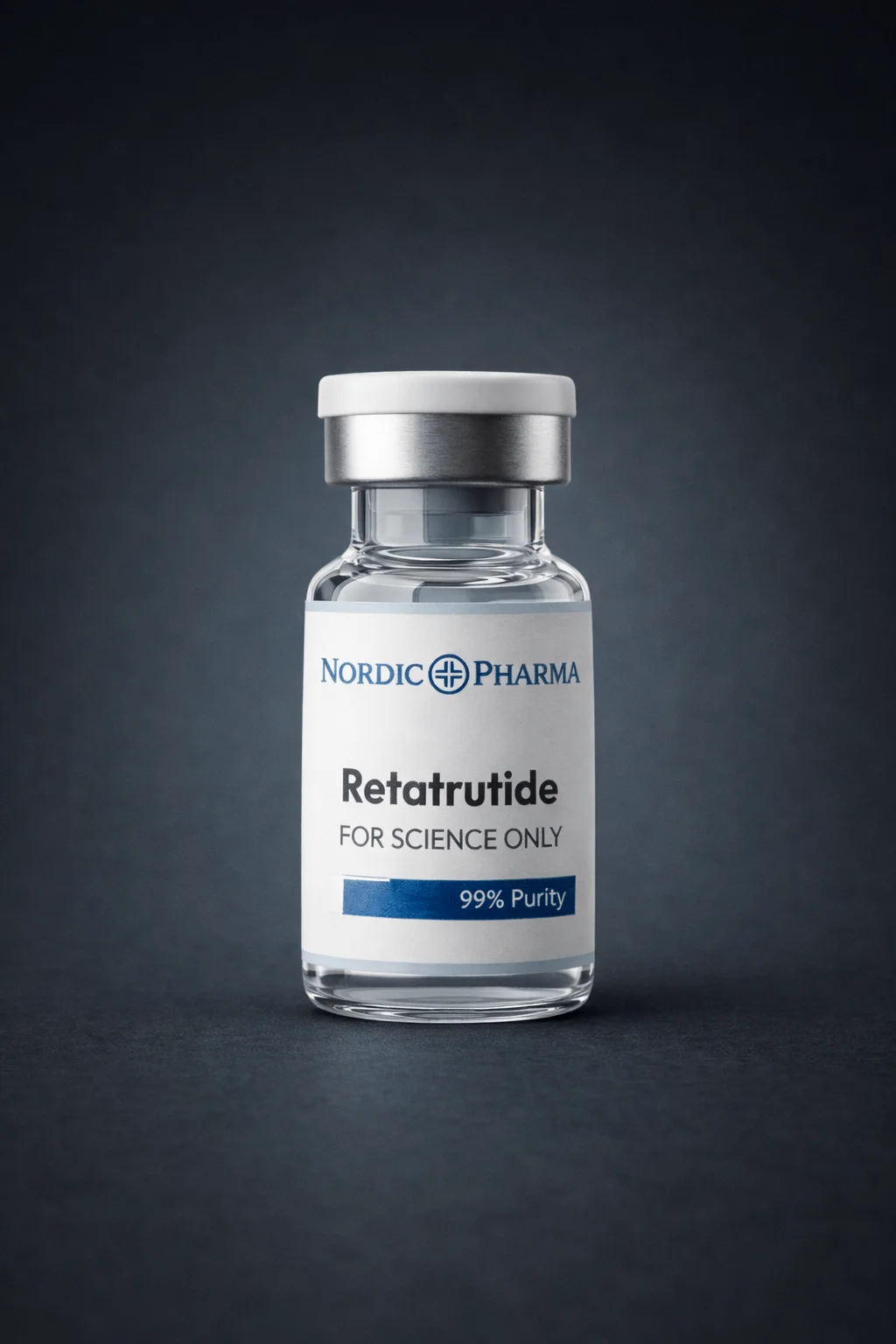
Retatrutide (LY3437943) is a synthetic peptide that acts as a triple agonist targeting three key metabolic receptors: GLP-1, GIP, and glucagon . This triple-action mechanism enhances insulin secretion, reduces appetite, and increases energy expenditure .
Key Specifications:
CAS Number: 2381089-83-2
Molecular Formula: C₂₂₁H₃₄₂N₄₆O₆₈
Molecular Weight: 4731.33 g/mol
Purity: ≥99%
Half-life: Approximately 6 days
Research Findings:
Clinical trials have demonstrated significant weight reduction, with participants achieving up to 17.5% mean weight loss at 24 weeks and 24.2% at 48 weeks . The Phase 3 TRIUMPH-4 trial reported an average weight loss of 71.2 lbs (32.3 kg) for the 12 mg dose over 68 weeks .
Important Notice:
Retatrutide is NOT yet FDA approved and is currently available only in clinical trials . It is intended for RESEARCH USE ONLY and should NOT be used for human consumption or therapy.
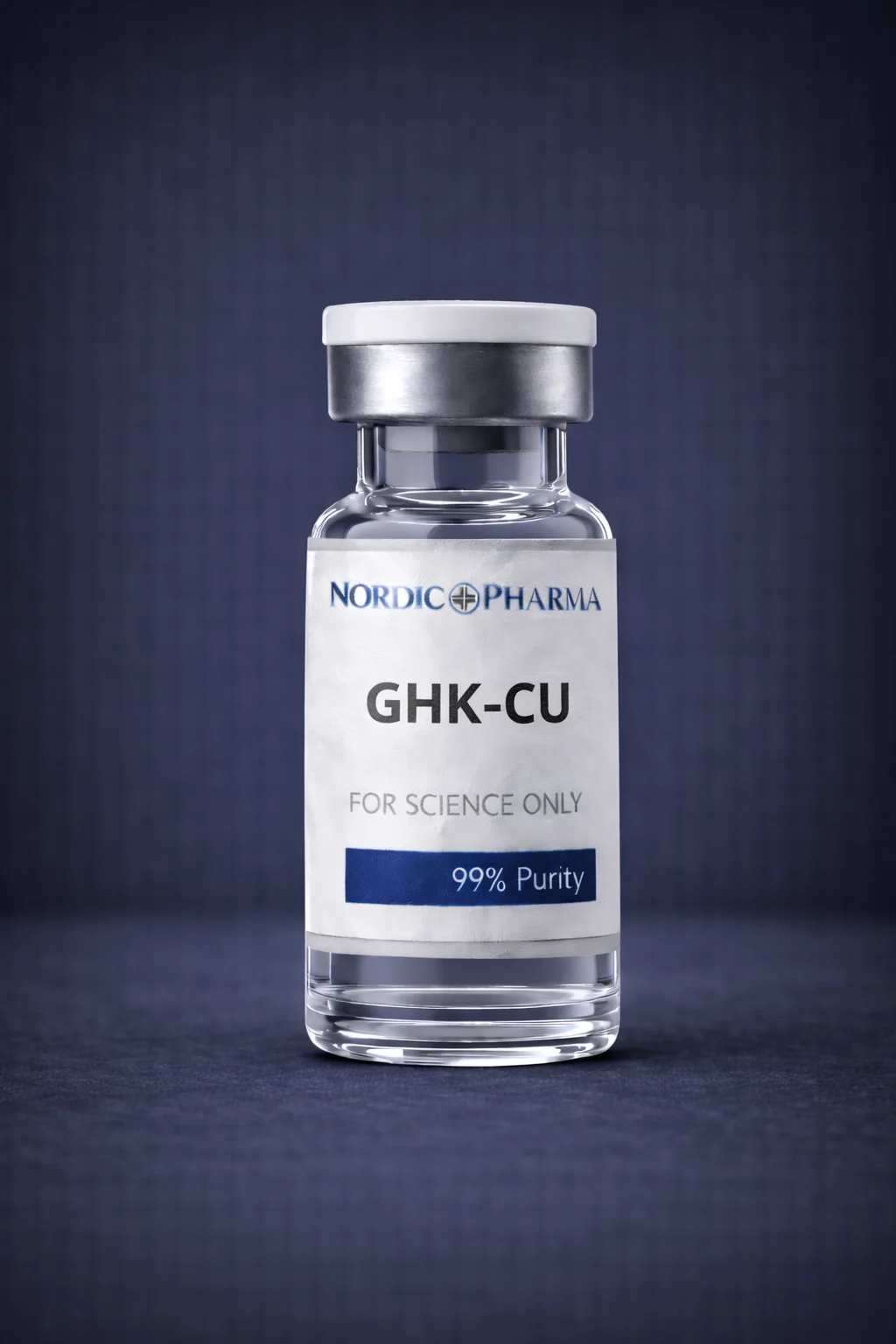
GHK-Cu (Copper Tripeptide-1) is a naturally occurring copper-binding tripeptide (glycyl-L-histidyl-L-lysine) that was first isolated from human plasma by Dr. Loren Pickart in 1973 . It is present in human plasma, saliva, and urine, with levels declining significantly with age—by approximately 60% between ages 20 and 60 .
Mechanism of Action
GHK-Cu exerts its biological effects through multiple pathways:
Gene Expression Modulation: GHK-Cu influences the expression of thousands of human genes, upregulating those involved in antioxidant defense, tissue repair, and anti-inflammatory pathways while downregulating genes associated with inflammation and tissue destruction .
Extracellular Matrix Stimulation: It potently stimulates synthesis of collagen, elastin, proteoglycans, and glycosaminoglycans in fibroblasts—key structural components for skin integrity and firmness .
Anti-inflammatory & Antioxidant Activity: Reduces inflammatory cytokines (e.g., IL-6, TNF-β) and protects cells from oxidative stress and free radical damage .
Angiogenesis Promotion: Stimulates new blood vessel growth, essential for wound healing and tissue regeneration .
MMP Modulation: Regulates matrix metalloproteinases and their inhibitors, helping maintain balanced protein turnover in tissues .
Documented Benefits
Skin Regeneration & Anti-Aging:
Increases skin density, thickness, and firmness
Reduces fine lines, coarse wrinkles, and photodamage
Improves skin clarity and reduces mottled hyperpigmentation
Stimulates keratinocyte proliferation and supports fibroblast function
Clinical studies demonstrate that GHK-Cu applied topically for 12 weeks outperforms vitamin C and retinoic acid in collagen production, with 70% of treated women showing improved collagen synthesis compared to 50% with vitamin C and 40% with retinoic acid .
Wound Healing:
Accelerates wound closure in diabetic ulcers—one study found wound closure was three times faster with 2% GHK-Cu gel compared to placebo
Reduces infection rates in chronic wounds
Improves healing of ischemic wounds and supports tissue repair
Hair Growth:
Increases hair follicle size and hair shaft thickness
Prolongs anagen (growth) phase of the hair cycle
May suppress TGF-β1 overexpression associated with hereditary hair loss
Additional Research Areas:
Neuroprotection: Animal studies suggest potential cognitive benefits via intranasal administration, reducing neuroinflammation and amyloid plaques in Alzheimer's models
Lung protection: Supports function in COPD fibroblasts
Anti-anxiety effects: Demonstrated in animal studies at low doses
Physicochemical Properties
Appearance: Blue lyophilized powder (due to copper content)
Solubility: Soluble in water (up to 325 mg/mL at pH 4.5-7.4) and some organic solvents
Stability: Stable in aqueous solutions between pH 4.5-7.4 at 60°C for at least two weeks
Storage: Store at -20°C, protect from light and moisture
Safety Profile
GHK-Cu has demonstrated a favorable safety profile in topical applications, with minimal irritation and no cytotoxicity at standard concentrations (0.2-3%) . Injectable use requires medical supervision due to theoretical risks of copper dysregulation .
Regulatory Note
GHK-Cu (INCI: Copper Tripeptide-1) is widely used in cosmetic formulations for anti-aging, firming, and conditioning products .
For Research Use Only. Not for human consumption or therapeutic use.
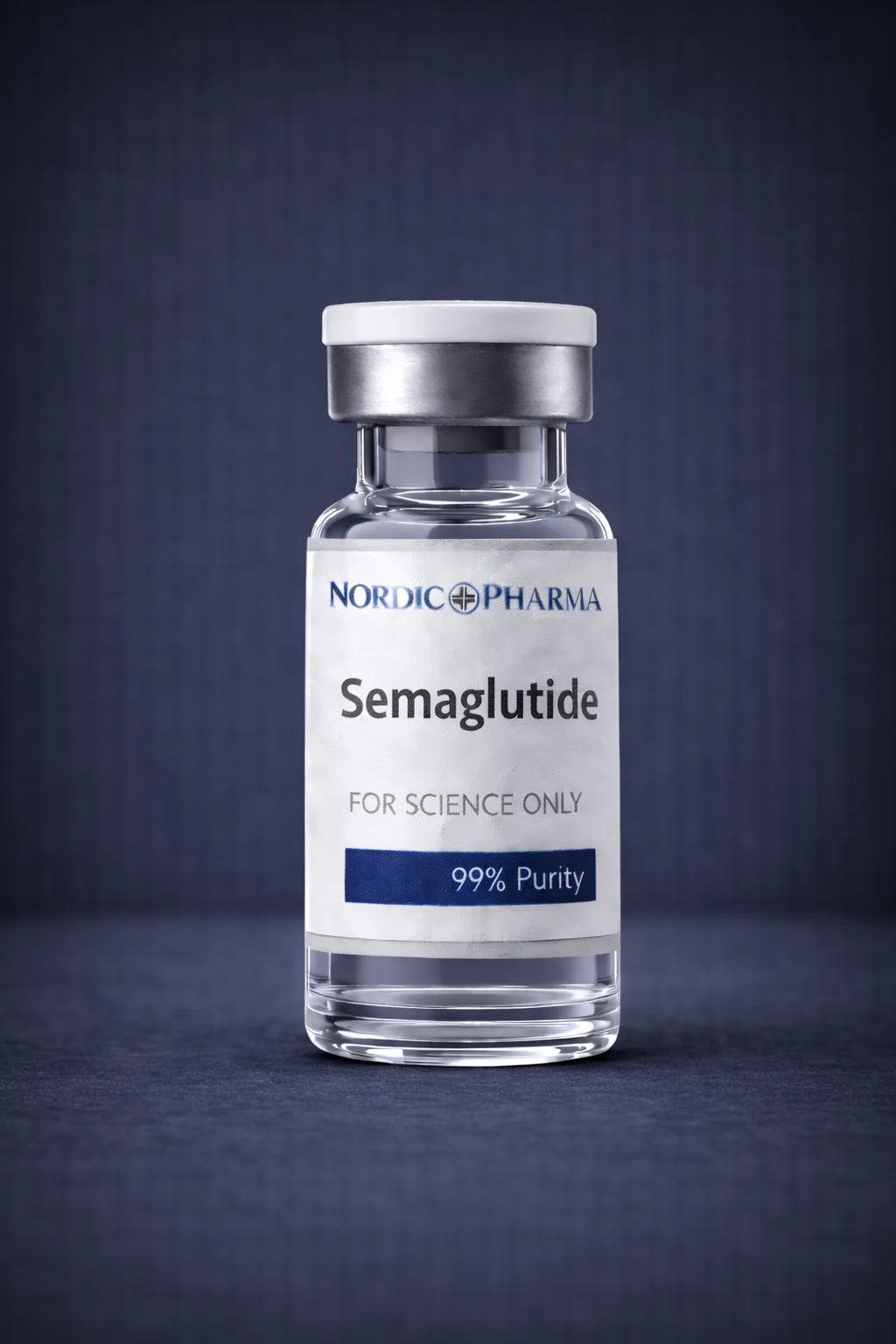
Semaglutide is a synthetic analog of human glucagon-like peptide-1 (GLP-1), a 31-amino acid peptide hormone that plays a central role in glucose homeostasis and appetite regulation . First developed by Novo Nordisk and approved by the FDA in 2017 for type 2 diabetes, semaglutide has since emerged as a groundbreaking therapeutic agent with applications spanning multiple chronic diseases .
Physicochemical Properties
Molecular Formula: C₁₈₇H₂₉₁N₄₅O₅₉
Molecular Weight: 4114 g/mol
CAS Number: 910463-68-2
Appearance: White to off-white lyophilized powder
Solubility: Soluble in water and aqueous buffers
Storage: Store at -20°C. Protect from light and moisture
Stability: Stable for at least 2 years when stored properly
Mechanism of Action
Semaglutide acts as a potent and selective agonist of the GLP-1 receptor, mimicking the effects of the endogenous incretin hormone . Its mechanism involves:
Glucose-Dependent Insulin Secretion: Enhances insulin release from pancreatic beta-cells only when blood glucose is elevated, reducing hypoglycemia risk
Glucagon Suppression: Inhibits glucagon secretion from pancreatic alpha-cells, further lowering blood glucose
Gastric Emptying Delay: Slows stomach emptying, reducing postprandial glucose excursions and increasing satiety
Appetite Suppression: Acts on hypothalamic GLP-1 receptors to reduce food intake and promote weight loss
Anti-inflammatory Effects: Reduces pro-inflammatory markers including C-reactive protein (CRP) and TNF-α independently of weight loss
Cardiovascular Protection: Improves endothelial function, reduces blood pressure, and decreases atherosclerotic burden
Key Research Findings
Weight Management:
The STEP clinical trial program demonstrated exceptional weight reduction efficacy. In the OASIS 4 trial, oral semaglutide 25 mg produced a mean body weight reduction of 13.6% at 64 weeks compared to 2.2% with placebo . Participants achieved clinically significant weight loss thresholds: 71.1% of those with pre-diabetes at baseline achieved normal blood glucose at week 64 .
Cardiovascular Outcomes:
The SELECT trial (17,600 patients) showed semaglutide 2.4 mg reduced major adverse cardiovascular events (MACE) by 20% compared to placebo, with benefits partially independent of weight loss . Blood pressure improvements were also notable: patients achieving ≥15% weight loss experienced mean reductions of −10.1 mmHg systolic and −4.3 mmHg diastolic .
MASH and Liver Disease:
In August 2025, the FDA granted accelerated approval for semaglutide (Wegovy) to treat metabolic-associated steatohepatitis (MASH) in adults with moderate-to-advanced fibrosis . Clinical trial data showed 63% of participants receiving semaglutide achieved MASH resolution without worsening fibrosis, compared to 34% receiving placebo .
Chronic Kidney Disease:
The FLOW trial (3,500 patients) demonstrated that semaglutide 1 mg weekly reduced the risk of kidney failure events and death from kidney- or cardiovascular-related causes by 24%, leading to FDA approval expansion in January 2025 .
Other Research Applications:
Obstructive Sleep Apnea: The SURMOUNT-OSA trials showed significant reductions in apnea-hypopnea index
Osteoarthritis: STEP 9 trial demonstrated improved physical function and reduced knee pain intensity
Neurodegenerative Disorders: Ongoing trials (EVOKE and EVOKE+) are investigating potential benefits in early Alzheimer's disease
Peripheral Artery Disease: The STRIDE trial showed improved maximum walking distance
Safety and Tolerability
The safety profile of semaglutide is well-established from over 37 million patient-years of exposure . The most common adverse events are gastrointestinal and dose-related:
Nausea (46.6% with oral 25 mg vs. 18.6% placebo)
Diarrhea
Vomiting (30.9% vs. 5.9% placebo)
Constipation
Abdominal pain
Dyspepsia
These effects are generally mild to moderate and transient, particularly during dose escalation . The incidence of serious adverse events was lower with semaglutide (3.9%) than placebo (8.8%) in the OASIS 4 trial .
Contraindications:
Personal or family history of medullary thyroid carcinoma
Multiple Endocrine Neoplasia syndrome type 2 (MEN 2)
Known hypersensitivity to semaglutide or its excipients
Important Notice
FOR RESEARCH USE ONLY. NOT FOR HUMAN USE, THERAPEUTIC, OR DIAGNOSTIC APPLICATIONS.
Semaglutide is not FDA approved for all indications mentioned above, and some applications remain under clinical investigation. This product is intended for laboratory research purposes only. Researchers should consult relevant literature and institutional guidelines for proper usage.
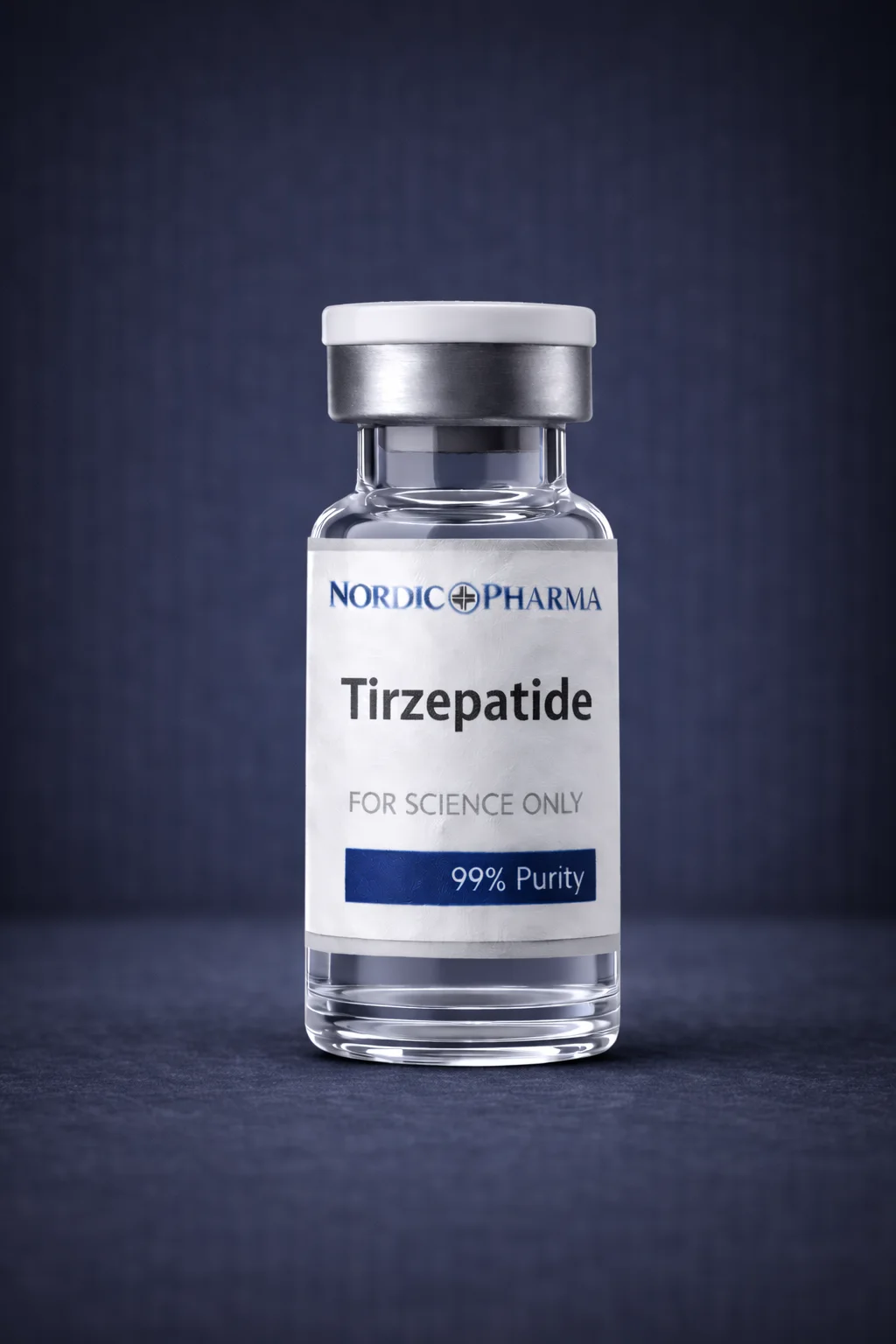
Tirzepatide represents a paradigm shift in metabolic research, establishing a new therapeutic class as the first-in-class, unimolecular dual agonist of the GIP (glucose-dependent insulinotropic polypeptide) and GLP-1 (glucagon-like peptide-1) receptors . Developed by Eli Lilly and Company, this synthetic 39-amino acid peptide has demonstrated unprecedented efficacy in both glycemic control and weight reduction across comprehensive clinical trial programs .
Physicochemical Properties
Molecular Formula: C₂₂₅H₃₄₈N₄₈O₆₈
Molecular Weight: 4813.53 g/mol
CAS Number: 2023788-19-2
Alternate Names: LY3298176, twincretin
Appearance: White to off-white lyophilized powder
Solubility: Soluble in water and aqueous buffers
Storage: Store at -20°C. Protect from light and moisture
Stability: Stable for at least 2 years when stored properly
Plasma Protein Binding: 99% bound to plasma albumin
Mechanism of Action
Tirzepatide is a synthetic peptide based on the native human GIP sequence, engineered with a C20 fatty diacid moiety to confer dual agonism at both GIP and GLP-1 receptors with a prolonged half-life . Its unique "twincretin" mechanism leverages the synergistic effects of two key incretin hormones :
GIP Receptor Agonism: Enhances insulin secretion from pancreatic beta-cells in response to meals, improves insulin sensitivity, and may directly influence adipose tissue metabolism
GLP-1 Receptor Agonism: Increases glucose-dependent insulin secretion, decreases glucagon secretion, reduces food intake, and delays gastric emptying
The result is a comprehensive metabolic effect that includes decreased fasting and postprandial glucose concentrations, increased insulin sensitivity, reduced food intake, and significant body weight reduction .
Key Research Findings
Glycemic Control (SURPASS Program):
The landmark SURPASS clinical trial program evaluated Tirzepatide in diverse populations with type 2 diabetes, consistently showing superior, dose-dependent reductions in hemoglobin A1c (HbA1c) and body weight compared to placebo, selective GLP-1 receptor agonists (semaglutide), and basal insulins . A significant proportion of patients treated with higher doses achieved normoglycemia (HbA1c <5.7%), a level of glycemic control that challenges traditional treatment goals .
Weight Management (SURMOUNT Program):
The SURMOUNT program in individuals with obesity or overweight demonstrated weight loss of a magnitude previously seen only with bariatric surgery:
Study
Duration
Tirzepatide Dose
Mean Weight Loss
Comparator
SURMOUNT-1
72 weeks
15 mg
20.9% (48 lbs)
3.1% with placebo
SURMOUNT-1
72 weeks
10 mg
19.5% (44 lbs)
3.1% with placebo
SURMOUNT-1
72 weeks
5 mg
15.0% (34 lbs)
3.1% with placebo
SURMOUNT-5
72 weeks
MTD (10/15 mg)
20.2% (50 lbs)
13.7% with semaglutide
Average starting weights in SURMOUNT-1 ranged from 227-233 lbs across dose groups .
Obstructive Sleep Apnea (SURMOUNT-OSA):
Tirzepatide received FDA approval for treating moderate-to-severe obstructive sleep apnea (OSA) in adults with obesity, based on clinical trials showing significant improvements in apnea-hypopnea index .
Additional Research Applications:
Metabolic-associated steatohepatitis (MASH): The SYNERGY-NASH trial is investigating benefits in liver health
Heart failure with preserved ejection fraction (HFpEF): The SUMMIT trial is exploring cardiovascular outcomes
Cardiovascular risk reduction: Ongoing research into MACE outcomes
Safety and Tolerability
The safety profile of Tirzepatide is broadly consistent with the GLP-1 receptor agonist class. The most common adverse events are gastrointestinal and dose-related, occurring primarily during dose escalation :
Nausea
Diarrhea
Vomiting
Decreased appetite
Constipation
Dyspepsia
Abdominal discomfort
Serious Adverse Events (rare):
Pancreatitis
Gallbladder disease (cholelithiasis, cholecystitis) - reported in 0.6% of treated patients
Hypersensitivity reactions
Acute kidney injury (secondary to dehydration)
Severe gastrointestinal problems
Boxed Warning: Tirzepatide carries a boxed warning for the risk of thyroid C-cell tumors based on findings in rodents .
Contraindications:
Personal or family history of medullary thyroid carcinoma (MTC)
Multiple Endocrine Neoplasia syndrome type 2 (MEN 2)
Known hypersensitivity to tirzepatide or its excipients
History of pancreatitis (not studied in these patients)
Hepatotoxicity Profile
In preregistration clinical trials involving more than 5,000 patients, serum aminotransferase elevations greater than 3 times the upper limit of normal occurred in less than 1% of patients, with rates similar to placebo . No severe liver test abnormalities or clinically apparent liver injury were reported in these trials. Indeed, tirzepatide therapy is often associated with improvements in serum aminotransferase levels, probably as a result of weight loss .
Since approval, isolated case reports of acute liver injury have emerged, typically with a latency of 1-4 months, hepatocellular pattern of enzyme elevations, mild jaundice, and a benign, self-limited course . The risk for clinically apparent liver injury with long-term use is likely very rare.
The product label does not recommend routine monitoring of liver tests during therapy, but tirzepatide should be discontinued if serum aminotransferase levels rise above 5 times the ULN or if elevations are accompanied by symptoms of liver disease or jaundice .
Regulatory History
May 13, 2022: First FDA approval for treatment of adults with type 2 diabetes mellitus (Mounjaro®)
September 15, 2022: Approved by the European Commission
November 2023: FDA approved for chronic weight management (Zepbound®)
December 2024: FDA approved for obstructive sleep apnea with obesity
2024: Approved for obesity in additional global markets
Important Notice
FOR RESEARCH USE ONLY. NOT FOR HUMAN USE, THERAPEUTIC, OR DIAGNOSTIC APPLICATIONS.
Tirzepatide is not FDA approved for all indications mentioned above, and some applications remain under clinical investigation. This product is intended for laboratory research purposes only. Researchers should consult relevant literature and institutional guidelines for proper usage.
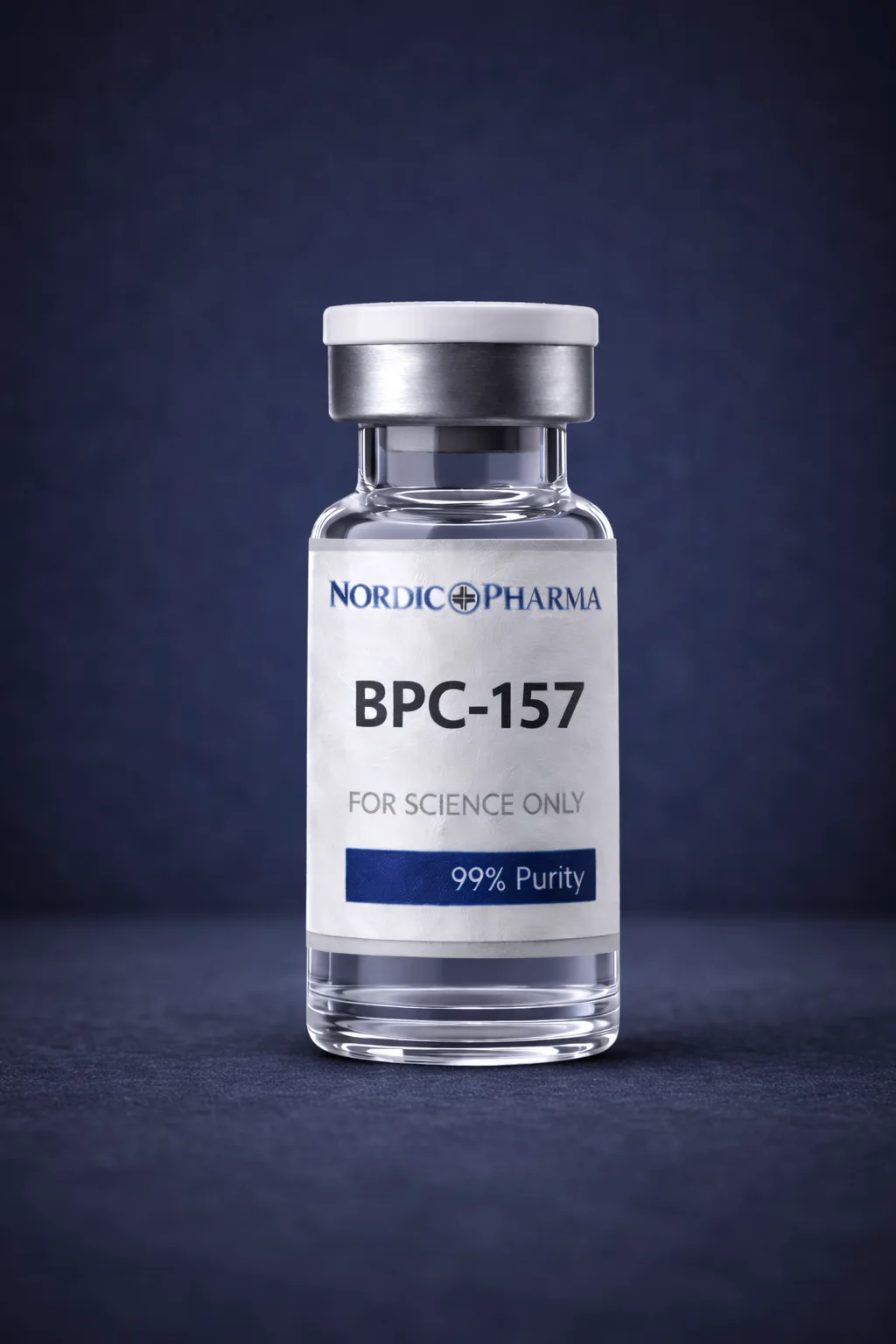
BPC-157 (Body Protection Compound-157) is a synthetic pentadecapeptide (15 amino acids) that has garnered significant attention in regenerative medicine, sports medicine, and longevity research for its remarkable tissue-protective and healing properties . First isolated and described in 1993 by Sikirić and colleagues, it represents a fragment of a larger body protection compound naturally occurring in human gastric juice .
Physicochemical Properties
CAS Number
137525-51-0
Molecular Formula
C₆₂H₉₈N₁₆O₂₂
Molecular Weight
1419.55 g/mol
Amino Acid Sequence
H-Gly-Glu-Pro-Pro-Pro-Gly-Lys-Pro-Ala-Asp-Asp-Ala-Gly-Leu-Val-OH
Purity
≥97% (HPLC determined)
Appearance
Sterile filtered white lyophilized (freeze-dried) powder
Formulation
Lyophilized with no additives
Solubility
Reconstitute in sterile 18MΩ-cm H₂O (≥100 µg/ml); can be further diluted in other aqueous solutions
Stability
Lyophilized powder stable at room temperature for 3 weeks; store desiccated below -18°C for long-term
Storage After Reconstitution
4°C for 2-7 days; below -18°C for future use; for long-term storage, add carrier protein (0.1% HSA or BSA); prevent freeze-thaw cycles
Synonyms
Bepecin, PL 14736, PL10, PLD-116, BEPECIN
Mechanism of Action
BPC-157's pleiotropic pro-repair effects are mediated through multiple overlapping pathways, which may explain its apparent versatility across different tissue types and injury models .
SH3 Domain Engagement and Kinase Activation:
Recent structural modeling and in silico docking studies propose that BPC-157 adopts a polyproline II helix that engages the Src homology 3 (SH3) domains of Src family kinases (SFKs; c-Src, Yes, Fyn) . This interaction relieves SH3 domain-mediated autoinhibition of SFKs, resulting in:
Focal adhesion kinase (FAK)-extracellular signal-regulated kinase (ERK) signaling cascades
Phosphoinositide 3-kinase (PI3K)-protein kinase B (Akt) signaling cascades
Angiogenesis and Vascular Effects:
BPC-157 controls and modulates angiogenesis, promoting new blood vessel growth while maintaining the "angiogenic privilege" of tissues like the cornea . It targets angiogenesis and NO's cytotoxic and damaging actions while maintaining, promoting, or recovering essential protective functions . Research shows BPC-157 significantly accelerates reticulin and collagen formation as well as angiogenesis, together with stimulation of macrophages and fibroblasts infiltration .
Nitric Oxide (NO) System Modulation:
BPC-157 exhibits a distinctive effect on NO-level, capable of both increasing and decreasing NO as needed, always combined with counteraction of free radical formation . This complex relationship with the nitric oxide system has significant implications for therapeutic potential across various conditions, particularly in cardiovascular and neurological applications .
Growth Factor and Cytokine Regulation:
Preclinical studies suggest BPC-157 enhances growth hormone receptor expression and several pathways involved in cell growth and angiogenesis, while reducing inflammatory cytokines . It upregulates growth factors involved in tissue repair, such as VEGF and eNOS .
Tissue-Specific Effects:
BPC-157 improves functional, structural, and biomechanical outcomes in muscle, tendon, ligament, and bony injuries in preclinical models . It enhances tendon and ligament healing by promoting growth hormone receptor expression in tendon fibroblasts .
Research Applications
Gastrointestinal Healing:
Initially studied for gastrointestinal healing, BPC-157 is best supported for its role in healing stomach ulcers and protecting the gastrointestinal tract . It acts systemically in the digestive tract to combat leaky gut, IBS, gastrointestinal cramps, and Crohn's disease . The peptide protects organs and aids in the prevention of gastric ulcers, acting as a cytoprotectant that maintains innate cell (epithelial and endothelial) integrity, which can be translated to other organ therapy (cytoprotection → organoprotection) .
Wound Healing:
BPC-157 has been shown to help skin burns heal at a faster rate by increasing blood flow to damaged tissues . It significantly accelerates reticulin and collagen formation and represents a potential therapeutic tool in wound healing management .
Neuroprotection:
In mice and rats, BPC-157 therapy counteracts Parkinson's disease-like and Alzheimer's disease-like disturbances . Research demonstrates that BPC-157 counteracts the pathological presentation of neurodegenerative diseases in acknowledged animal models .
Anti-Tumor Potential:
Contrary to speculation about angiogenesis toward tumorigenesis, BPC-157 presents prominent anti-tumor potential in vivo and in vitro . Per Folkman's concept, it demonstrates anti-tumor effect while not producing corneal neovascularization but rather opposing it .
Corneal Healing:
BPC-157 resolved cornea transparency maintenance and cornea healing "angiogenic privilege," demonstrating that it does not produce corneal neovascularization but rather opposes it .
Human Evidence
While interest is substantial, robust human clinical trials are limited . The current state of human research includes:
Musculoskeletal Pain: In a retrospective study of 12 patients receiving intra-articular injections for chronic knee pain, 7 reported subjective relief for over six months .
Muscle Injury Recovery: Preliminary clinical case series have reported faster healing timelines in muscle strains and tendon injuries in athletes when BPC-157 is administered adjunctively to standard therapies .
Pain and Mobility: Some pilot studies suggest reduced pain and restoration of mobility after soft tissue injury .
Safety: A small pilot study infusing BPC-157 intravenously in two healthy adults monitored safety biomarkers; the peptide was well-tolerated with no adverse effects reported, though only short-term safety was assessed .
Caveats: There are no published large-scale, placebo-controlled human trials specific to any condition as of 2024 . Human data primarily comes from anecdotal reports or small pilot studies often published outside standardized scientific channels .
Safety Profile
Preclinical Safety:
Preclinical safety studies showed no adverse effects across several organ systems, with LD1 not achieved, indicating a wide safety margin . The peptide exhibits remarkable chemical stability, maintaining biological activity even under harsh conditions such as during enzymatic reactions or digestive processes .
Pharmacokinetics:
BPC-157 is metabolized in the liver, with a half-life of less than 30 minutes, and is cleared by the kidneys .
Human Safety Considerations:
Short-Term Use: Human reportings suggest BPC-157 is well tolerated in the short term, with few adverse events .
Unknown Long-Term Effects: There is limited data on effects of long-term, repeated use .
Potential Side Effects: Rarely, injection site reactions, headaches, or mild gastrointestinal symptoms have been mentioned .
No Clinical Safety Data: Systematic reviews note that no clinical safety data in humans was found in controlled trials .
Contraindications:
Pregnant or Breastfeeding Women: No safety data is available
People with Cancer or Recent Malignancy: Theoretical—but unproven—risk of accelerating tumor progression due to angiogenic effects
Individuals with Severe Chronic Illness: Should only be used under strict medical supervision
Drug Interactions:
Limited Data Available: There are no robust human studies documenting specific drug interactions .
Regulatory Status
FDA Status:
BPC-157 is NOT FDA approved for any medical use
The US FDA has issued warning letters to companies marketing BPC-157 products for human use, classifying them as unapproved new drugs sold in violation of the Federal Food, Drug, and Cosmetic Act
Products containing BPC-157 are not generally recognized as safe and effective for therapeutic uses
Sports Regulations:
BPC-157 is banned in professional sports .
Legal Status:
BPC-157 is not approved by the FDA for medical use in the United States but may be compounded for research or individual clinical use in some countries; regulations vary .
Methodological Considerations for Research
When investigating BPC-157's effects, researchers should consider:
Multi-parameter Assessment:
Comprehensive evaluation requires functional outcomes (tissue-specific), histological examination, molecular analyses (gene/protein expression), biochemical markers, and imaging techniques appropriate to the tissue .
Time-course Investigations:
Both acute and delayed effects should be evaluated, as demonstrated in studies examining neural damage at 24 and 72 hours after reperfusion .
Mechanistic Experimental Designs:
Use of specific pathway inhibitors, genetic models with relevant pathways modified, comparative analyses with established therapeutics, and in vitro and in vivo model correlation .
Translational Considerations:
Dosing consistency across experimental models, attention to administration routes and their effect on tissue distribution, and species differences in peptide metabolism and response .
Technical Considerations:
Standardized injury models, appropriate controls for peptide specificity, and blinded assessment of outcomes .
Limitations and Future Research Directions
Current research on BPC-157 faces several significant limitations :
Lack of Human Trials: There is a notable lack of robust human clinical trials, with most evidence derived from animal studies
Small Sample Sizes: Existing human studies have small sample sizes and lack placebo controls
Unknown Long-Term Effects: There is limited data on effects of long-term, repeated use
Variable Quality: Purity and quality of products can vary; researchers should use reputable sources
Future Research Priorities:
Well-designed, randomized controlled trials (RCTs) in humans
Standardized research protocols
Comprehensive safety evaluations
Detailed mechanistic studies in human tissues
Independent replication of key findings
Research on longevity outcomes, frailty, falls, and overall life quality
Important Notice
FOR RESEARCH USE ONLY. NOT FOR HUMAN USE, THERAPEUTIC, OR DIAGNOSTIC APPLICATIONS.
BPC-157 is not FDA approved for any indication. This product is intended for laboratory research purposes only. Researchers should consult relevant literature and institutional guidelines for proper usage. Adverse effects are possible due to unregulated manufacturing, contamination, or unknown clinical safety . Always consult a qualified healthcare professional before considering any peptide compound for human use .
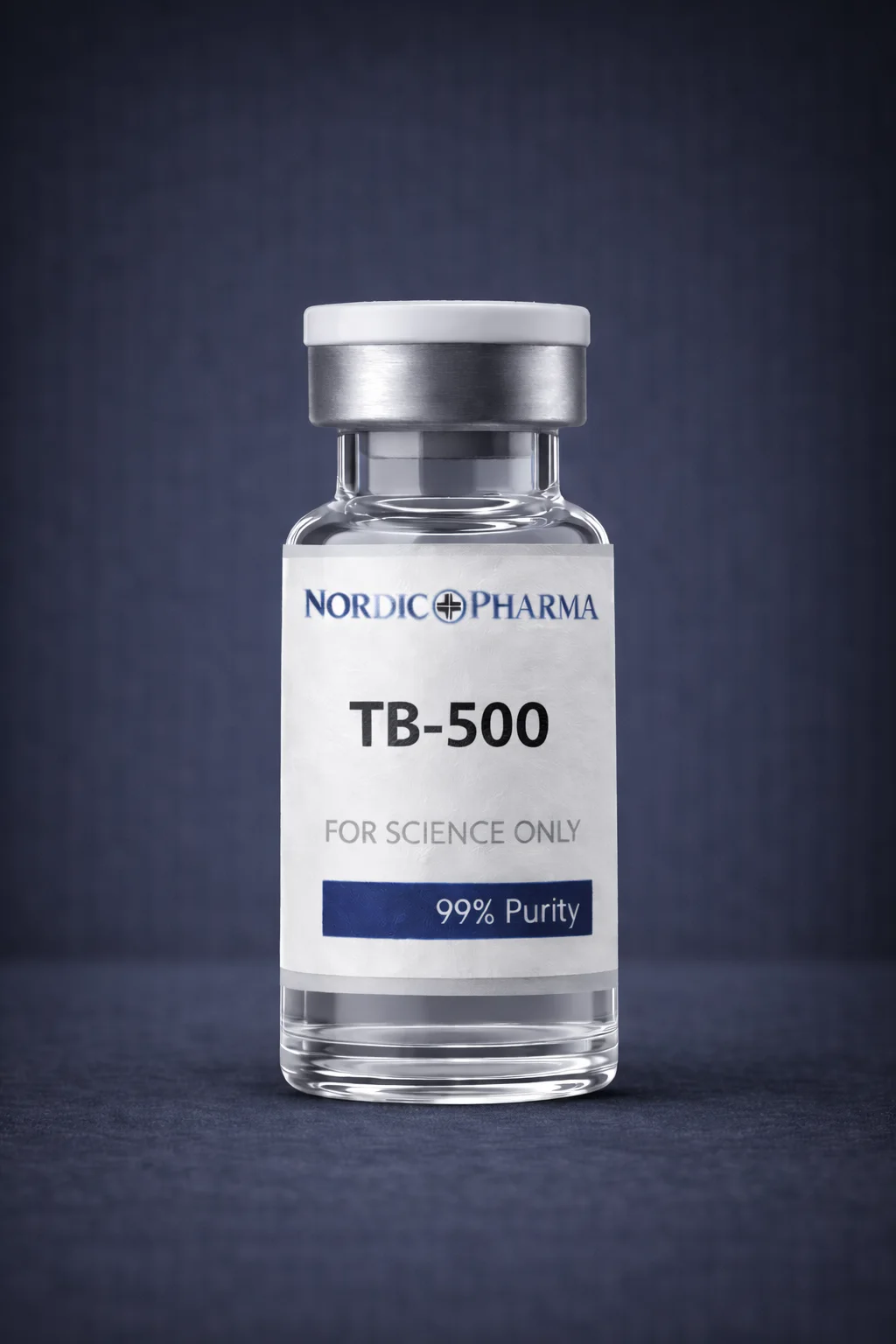
TB-500 is a synthetic peptide analogue of thymosin beta-4, a naturally occurring 43-amino acid polypeptide found in human platelets, macrophages, and wound healing tissues . This synthetic version represents the active region (17-23 fragment) of thymosin beta-4 and is known for its tissue repair and regenerative properties .
Key Specifications:
CAS Number: 885340-08-9
Molecular Formula: C₃₈H₆₈N₁₀O₁₄
Molecular Weight: 889.01 g/mol
Purity: ≥99%
Appearance: Lyophilized powder
Storage: Store at -20°C, protect from light and moisture
Mechanism of Action:
TB-500 promotes tissue repair through multiple pathways:
Actin polymerization regulation: Binds to monomeric G-actin, promoting cellular migration essential for wound healing
Angiogenesis stimulation: Enhances endothelial cell differentiation and new blood vessel formation
Anti-inflammatory effects: Modulates cytokine production and promotes inflammatory resolution
Collagen synthesis: Stimulates collagen deposition and reduces fibrosis/scar tissue formation
Research Applications:
Muscle regeneration: Accelerates recovery from muscle strains and tears
Tendon and ligament repair: Improves healing quality and reduces recovery time
Wound healing: Promotes keratinocyte migration and dermal tissue repair
Cardiovascular research: May preserve cardiac muscle following ischemic injury
Neurological applications: Potential neuroprotective properties
Sarcopenia studies: Investigated for age-related muscle loss
Important Notice:
FOR RESEARCH USE ONLY. NOT FOR HUMAN USE, THERAPEUTIC, OR DIAGNOSTIC APPLICATIONS.